

Why Monsoon Demands Extra Caution
The rainy season dramatically increases the moisture in the air. This combination of warmth and humidity is ideal for harmful bacteria like Salmonella, E. coli, and others to multiply rapidly on food. Food that might be safe for longer in other seasons
can spoil quickly, and leftovers become particularly risky if not stored and reheated correctly. During this time, our digestive systems can also be more sensitive, making us more susceptible to foodborne illnesses like gastroenteritis, typhoid, and food poisoning, which see a spike from June to September.
The Golden Rule: Heat It Until Steaming Hot
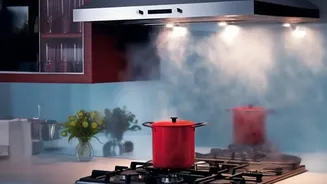
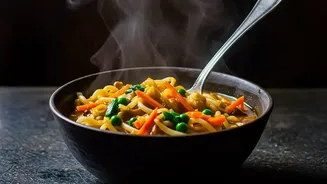
Simply warming up your food is not enough. To ensure leftovers are safe, you must reheat them to an internal temperature of at least 74°C (165°F). This is the temperature required to kill most harmful bacteria that may have developed during storage. The food should be steaming hot all the way through, not just on the edges. For gravies, dals, and soups, this means bringing them to a rolling boil. Using a food thermometer is the most reliable way to check, but ensuring the dish is piping hot throughout is a good rule of thumb.
The Special Case of Leftover Rice
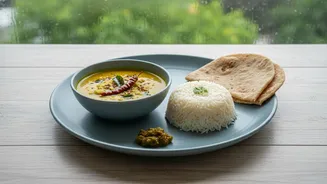
Cooked rice is a common culprit for a specific type of food poisoning known as "fried rice syndrome." This is caused by a bacterium called Bacillus cereus, whose spores can survive the initial cooking process. If cooked rice is left at room temperature for too long (more than two hours), these spores can grow and produce toxins. Crucially, these toxins are heat-resistant, meaning even proper reheating won't destroy them. The danger, therefore, lies in improper storage, not reheating itself. Always cool cooked rice quickly and refrigerate it within two hours to prevent these toxins from forming.
Handling Chicken and Meats Safely
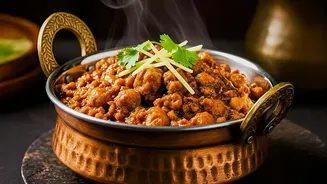
Poultry and other meats are high-risk foods because they can harbour dangerous bacteria like Salmonella and Campylobacter. When reheating chicken or any meat dish, it is essential to ensure it reaches that safe internal temperature of 74°C (165°F) throughout. Microwaves can be notorious for uneven heating, leaving cold spots where bacteria can survive. If using a microwave, cut larger pieces into smaller ones, cover the dish to retain moisture, and stir or rotate it midway through to ensure it heats evenly.
Leafy Greens and Root Vegetables
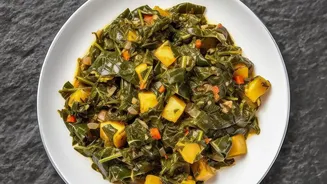
Vegetables like spinach (palak) and beetroot are rich in nitrates. While naturally occurring and harmless, these nitrates can be converted into potentially harmful nitrites by bacteria, especially if the cooked dish is stored improperly or reheated multiple times. This process is accelerated when the food cools slowly or is left at room temperature. To be safe, it's best to eat these vegetables fresh. If you do have leftovers, cool them quickly, store them properly in the fridge, and reheat them gently only once. Consuming them cold in a salad is another safe option.
Reheat Only Once, and Only What You Need
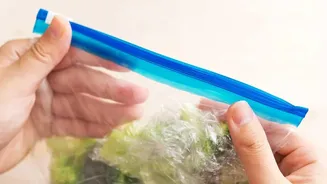
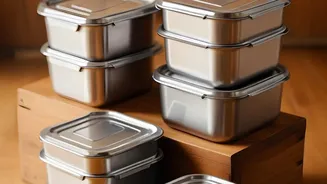
Food safety experts strongly advise against reheating food more than once. Each cycle of cooling and reheating provides an opportunity for bacteria to multiply, increasing the risk of illness. It also degrades the nutritional quality and texture of the food. A smarter practice is to only take out and reheat the portion you plan to eat immediately. Storing leftovers in smaller, portion-sized containers can make this easier and safer.