






The Annual Cycle of Hope and Hassle
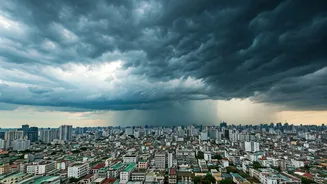
After enduring a scorching heatwave with 'feels-like' temperatures touching 50 degrees Celsius, the arrival of pre-monsoon showers on Monday brought a brief, collective sigh of relief. However, the relief is often short-lived. The India Meteorological
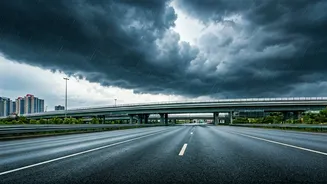
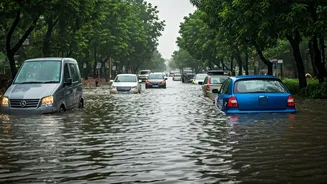
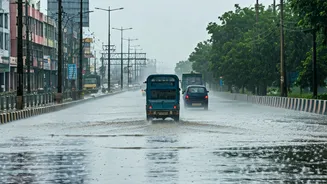
Department (IMD) has issued yellow and orange alerts for the region, forecasting thunderstorms, lightning, and gusty winds. While the official monsoon is expected to arrive around July 4, a slight delay from its usual June 27-28 date, these initial spells are already causing the familiar disruptions: traffic snarls, waterlogged streets, and that nagging feeling that your commute could double at any moment.
Decoding the Downpour: What the Alerts Mean
When the IMD issues a weather warning, it uses a colour-coded system. Understanding it can help you make better decisions. Green: All is clear, no advisory is needed. Yellow: Be Aware. This is a heads-up to keep an eye on the weather as it could worsen, potentially disrupting daily activities. Recent alerts for Delhi have often been yellow, indicating light to moderate rain and strong winds. Orange: Be Prepared. This indicates a higher likelihood of bad weather with the potential for significant impact. Expect thunderstorms, heavy rain, and winds that could damage weak structures, uproot trees, and disrupt traffic and power. It's a signal to secure outdoor objects and reconsider travel. Red: Take Action. This is the highest alert, issued for severe weather events that pose a serious threat to life and property. Widespread travel and power disruptions are expected, and you should take steps to keep yourself and others safe.
Navigating the Urban Maze on a Rainy Day
The biggest challenge during a downpour is getting around. Key arterial roads and underpasses become bottlenecks. Ahead of this monsoon season, authorities identified 169 locations prone to waterlogging, including vulnerable underpasses like Minto Bridge, and those in Moolchand and Okhla. While desilting work has been underway, the real test comes with the first heavy, sustained rainfall. To avoid getting stuck, monitor traffic in real-time before you leave. Apps like Waze or Google Maps provide live traffic data, often showing road closures or severe jams. For metro users, official DMRC apps like 'Delhi Metro: Realtime Alerts' can provide updates on any service disruptions. If possible, staggering your travel time to avoid peak rush hours during a rain forecast can save you a significant headache.
Your Digital and Practical Monsoon Toolkit
Being prepared is your best defence. Here's a quick checklist: Tech Tools: Keep a reliable weather app on your phone (the IMD's own app is a good source). Use traffic apps to check your route before heading out. The 'NextGen mParivahan' app is useful for keeping digital copies of your vehicle documents, just in case. In Your Vehicle: Ensure your tyres, wipers, and headlights are in good condition. Aquaplaning on slick, waterlogged roads is a real danger. Keeping a car charger for your phone, a first-aid kit, and an umbrella in the car is always a smart move. For Your Commute: If you get wet in the rain, change into dry clothes as soon as possible to avoid fungal infections. Waterproof bags are a great investment to protect laptops and phones. It might be wise to carry a spare pair of shoes and socks to the office.
Health and Home Preparedness
The monsoon brings more than just traffic jams; it's also a peak season for illnesses. The humidity and stagnant water create breeding grounds for mosquitoes and germs. Take these precautions: Prevent Waterborne Diseases: Avoid street food, especially items that use water that may be contaminated. Drink boiled or filtered water. Avoid Mosquito-Borne Illnesses: Don't allow water to collect in or around your home in coolers, pots, or tyres. Use mosquito repellents, especially in the evenings. Home Care: Check for any leaks in your roof or walls. Power cuts are common during thunderstorms, so keep emergency lights, power banks, and candles handy. Ensure your windows and balconies are secure against strong winds.