






From Bones to Genomes
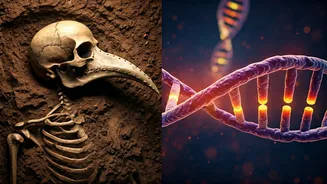
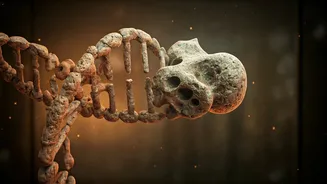
For decades, the study of ancient DNA, or aDNA, has been like a time machine for human history. Scientists extract fragmented genetic material from sources like prehistoric bones and teeth to piece together the story of our species. This field, known
as paleogenomics, has revolutionized our understanding of human evolution and migration, showing how groups mixed, moved, and populated the globe. We learned about our complex relationships with Neanderthals and Denisovans and traced the paths that led people to every corner of the earth. But the story was mostly about us: our genes, our ancestry. A pivotal shift is now underway, expanding the focus from just the human host to the microscopic enemies that have plagued us for millennia.
The Pathogen's Ghost
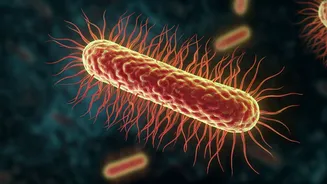
Scientists have realized that ancient remains hold more than just human DNA. Preserved within the same bones and teeth are the genetic ghosts of pathogens—the bacteria and viruses that caused disease. By using advanced sequencing techniques, researchers can now isolate the DNA of these ancient microbes. This marks a new era for aDNA research: disease-history mode. It's no longer just about who our ancestors were, but what ailed them. This approach allows scientists to directly identify the causative agents of ancient diseases, moving beyond interpretations of skeletal marks to hard genetic proof. It provides a molecular fossil record, showing us exactly which strains of a pathogen existed at a specific time and place.
Rewriting Medical History
This new focus is already rewriting chapters of medical history. Take syphilis, for example. Its origins in Europe have been controversially linked to Christopher Columbus's return from the Americas. But recent discoveries have complicated this narrative. Scientists recovered a 5,500-year-old genome of a related bacterium, Treponema pallidum, from remains in Colombia, pushing back the genetic record of the pathogen family by 3,000 years and confirming its presence in the Americas long before European contact. Similarly, research on tuberculosis (TB) has yielded stunning insights. By analyzing ancient genomes, researchers have traced different strains of TB, including some that may have jumped from marine mammals to humans in South America centuries ago. Other studies show how TB has shaped the human immune system over the last 2,000 years, revealing how a specific gene variant that increased susceptibility to TB dramatically declined in European populations as the disease became more prevalent.
A Modern Medical Arsenal?
Understanding the deep past of diseases is not just an academic exercise. It has profound implications for modern medicine. By tracking how pathogens like Yersinia pestis (the plague) or the herpes virus have evolved over thousands of years, scientists can understand how they adapt, mutate, and jump between species. This evolutionary road map can help us anticipate how current diseases might change and spread. For instance, major studies have shown that the rise of agriculture and animal domestication created a new era for zoonotic diseases—illnesses transmitted from animals to humans—starting around 6,500 years ago. Understanding this long history of spillover events is crucial for preparing for future pandemics, many of which are predicted to originate from animals. This ancient knowledge could one day inform the development of new vaccines and treatments.