






The Power of Compound Classics
The secret to an efficient workout lies in compound exercises— आंदोलungen that engage multiple muscle groups simultaneously. Instead of isolating tiny muscles one by one, you get more bang for your buck in less time. Squats, push-ups, and planks are the
undisputed champions of bodyweight training for this very reason. Together, they form a powerful trio that targets your entire body: lower, upper, and core. This combination not only builds functional strength but also elevates your heart rate, providing cardiovascular benefits and boosting your metabolism. It's the perfect formula for anyone looking to maintain muscle and burn fat without spending hours in a gym.
Squats: The Lower-Body Foundation
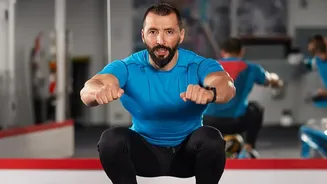
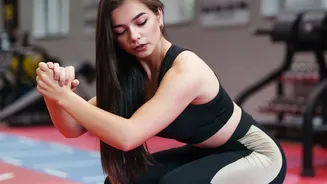
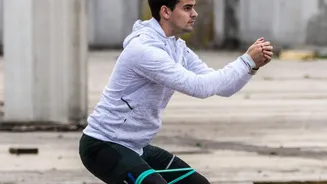
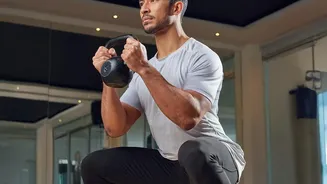
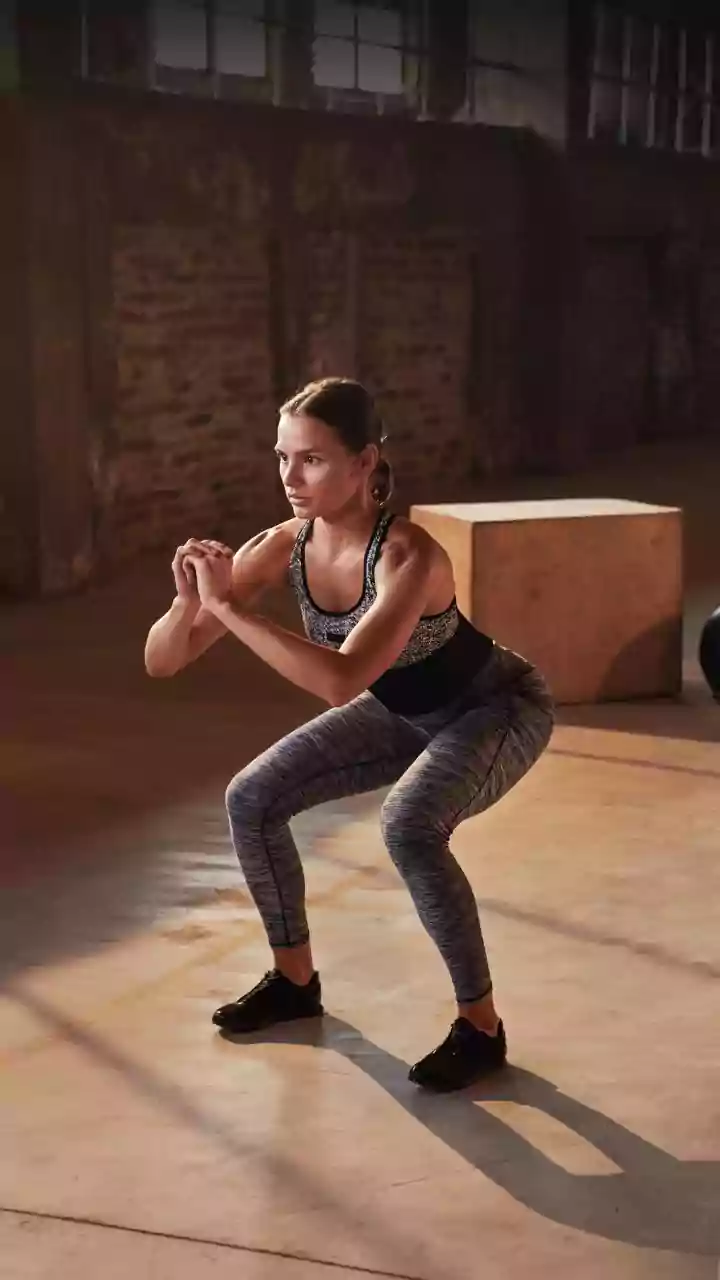
Often called the king of exercises, the bodyweight squat is fundamental for building strength and mobility. It primarily targets your quadriceps, hamstrings, and glutes—the largest muscles in your body. Working these big muscles burns a significant number of calories. But squats do more than just build leg strength; they also require significant core engagement to maintain balance and an upright posture. To perform a perfect squat, stand with your feet shoulder-width apart. Hinge at your hips as if sitting back in a chair, keeping your chest up and back straight. Lower yourself until your thighs are at least parallel to the floor before pushing through your heels to return to the starting position.
Push-Ups: The Ultimate Upper-Body Builder
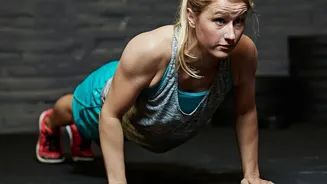
The push-up is a classic for a reason: it's a remarkably effective exercise for the chest, shoulders, and triceps. Just like the squat, it’s also a fantastic core exercise, as your abdominal muscles work hard to keep your body in a straight line from head to heels. The beauty of the push-up lies in its versatility. If a standard push-up is too challenging, you can modify it by placing your hands on an elevated surface like the edge of a bed or by dropping to your knees. For a proper push-up, start in a high plank position with your hands slightly wider than your shoulders. Lower your body until your chest nearly touches the floor, keeping your elbows tucked at about a 45-degree angle, and then press back up.
Planks: For Core Stability and Strength
While squats and push-ups work your core, the plank isolates it, building endurance and stability in your entire midsection. A strong core is crucial for good posture, preventing lower back pain, and providing a solid base for all other movements. To perform a plank, hold a push-up position, either on your hands or forearms, ensuring your body forms a straight line. The key is to engage your abs and glutes to prevent your hips from sagging or rising too high. It may look simple, but holding this position challenges your muscular endurance and mental grit.
The 20-Minute Hostel Circuit
Now, let's combine these movements into a fast and effective routine. Circuit training, where you move from one exercise to the next with minimal rest, is ideal for maximizing a short workout window. This keeps your heart rate up and muscles working. Set a timer for 20 minutes and follow this structure: 1. Warm-up (2 minutes): Start with some light movement like jogging in place, jumping jacks, or arm circles to prepare your body. 2. The Main Circuit (16 minutes): Perform the following sequence as many times as possible within the 16 minutes. This is known as an 'As Many Rounds As Possible' (AMRAP) workout. 10 Bodyweight Squats 10 Push-Ups (modify as needed) 30-Second Plank 30-Second Rest Move through the squats, push-ups, and plank with good form. Use the 30-second rest to catch your breath before starting the next round. 3. Cool-down (2 minutes): Finish with some simple stretches for your chest, legs, and back.