




Understanding the Retreating Monsoon
India's southwest monsoon doesn't just stop on a specific date; it performs a gradual, six-week-long retreat across the subcontinent. This withdrawal process typically begins in early September from the northwestern state of Rajasthan and moves southeast.
By mid-October, the withdrawal is often complete over most of North and Central India, ushering in clear skies and pleasant weather. However, this same period sees the arrival of the Northeast Monsoon in the south, which brings rain to states like Tamil Nadu and parts of Kerala. This climatic handover means different parts of India can feel like they are in entirely different seasons at the same time.
North India: Clear Skies and Ideal Temperatures
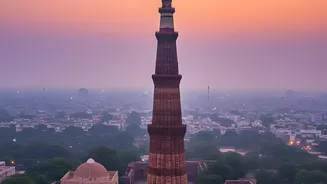
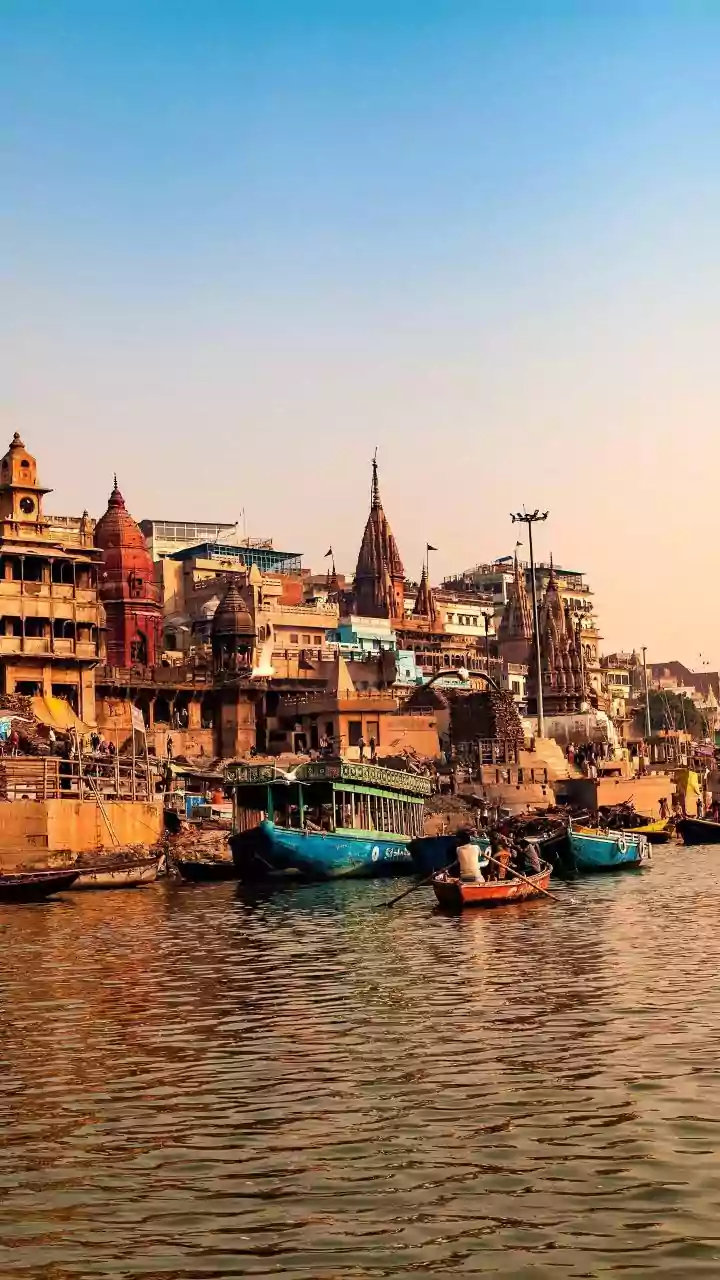
For much of North India, October is arguably one of the best times to visit. Destinations in the Golden Triangle—Delhi, Agra, and Jaipur—shed the intense humidity of the monsoon, offering warm, sunny days with temperatures often hovering around 30-34°C. The air is clean, the skies are generally blue, and the tourist crowds of the peak winter season have not yet arrived. It's an ideal time for sightseeing at majestic forts and palaces. In the Himalayan foothills, places like Shimla and Rishikesh also enjoy very pleasant weather with minimal rainfall, making it perfect for trekking and outdoor adventures before the winter chill sets in.
South India: A Tale of Two Coasts
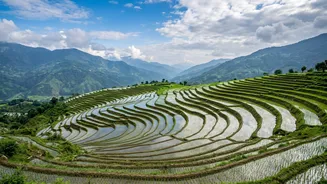
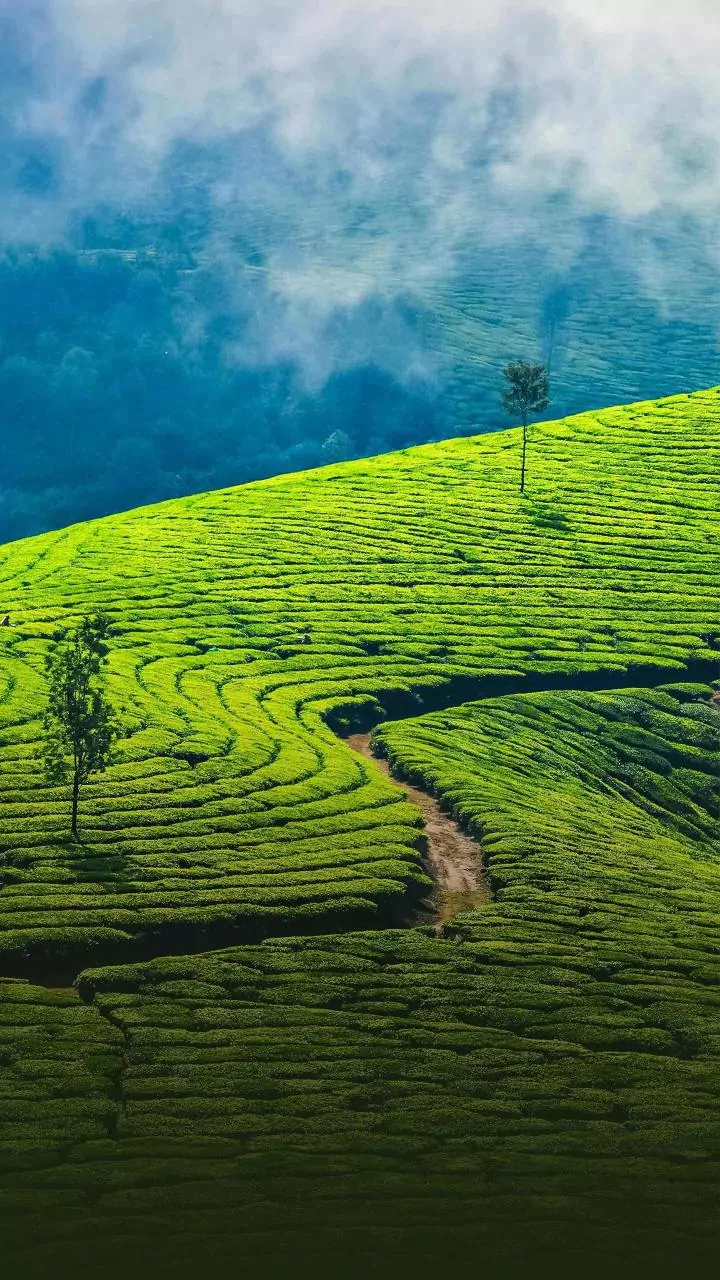
The travel picture in South India is more complex. While the southwest monsoon has weakened, October marks the onset of the Northeast Monsoon, particularly impacting the eastern coast. States like Tamil Nadu and southern Andhra Pradesh begin to receive significant rainfall, which can sometimes be heavy. Conversely, on the western coast, destinations like Goa and Kerala are entering a beautiful phase. The landscape is intensely green after months of rain, and while occasional showers are possible, long sunny spells become more common. Many beach shacks in Goa that were closed for the monsoon begin to reopen in October, offering a slice of paradise without the peak season rush.
Wildlife and Nature Reawakens
October is a fantastic month for wildlife enthusiasts. Most national parks and tiger reserves, including famous ones like Jim Corbett and Ranthambore, reopen their gates after being closed during the monsoon months from July to September. The forests are lush and rejuvenated, water bodies are full, and animals are often more active, increasing the chances of sightings. The post-monsoon greenery provides a stunning backdrop for safaris across Central and Northern India. This is also a great time for birdwatching, as migratory birds begin to arrive in sanctuaries like the Rann of Kutch.
A Season of Vibrant Festivals
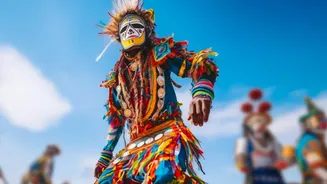
October is a month rich with cultural celebrations. The most prominent is Navratri and the culminating festival of Dussehra, which are celebrated with immense fervor across the country. In 2026, Shardiya Navratri begins on October 11, with Dussehra (also known as Vijayadashami) falling on October 20. This period sees grand celebrations like the famous Mysore Dasara in Karnataka, the energetic Garba dances in Gujarat, and the elaborate Durga Puja festivities in West Bengal. Planning a trip around these festivals offers a deeply immersive cultural experience, showcasing India at its most vibrant.
Practical Tips for October Travellers
Given the diverse weather, packing can be tricky. For North and Central India, light cottons for the day and a light jacket or shawl for cooler evenings are sufficient. If your itinerary includes South India's east coast or even Kerala, a raincoat and umbrella are essential. Since it's a shoulder season, you can often find better deals on flights and accommodation compared to the peak period from November to January. However, for popular festival destinations like Mysore or Kolkata, it's wise to book well in advance. Flexibility is key; be prepared for the occasional rain shower in the south and enjoy the largely sunny and pleasant conditions elsewhere.