







Understanding Your Basic Rights
India's air passenger rights are detailed in the Passenger Charter, a set of rules from the Ministry of Civil Aviation and enforced by the Directorate General of Civil Aviation (DGCA). These regulations, found under CAR Section 3, Series M, Part IV, apply
to all scheduled flights operating to, from, or within India, regardless of whether the carrier is Indian or foreign. The charter outlines what airlines must provide in cases of flight cancellations, significant delays, and denied boarding due to overbooking. It aims to ensure passengers are not left shouldering the entire burden when disruptions occur due to reasons within the airline's control.
When Your Flight is Cancelled
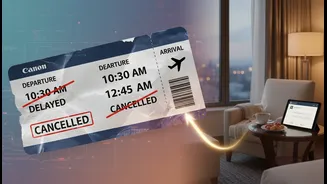
If an airline cancels your flight, your entitlements depend on when you are notified. If the cancellation notice is given less than 24 hours before departure, you are entitled to a full refund or an alternative flight, plus financial compensation. This compensation can range from ₹5,000 to ₹10,000, depending on the flight's block time. If the notice is given between 24 hours and two weeks before departure, the airline must offer an alternative flight or a full refund, but no extra financial compensation is mandated. The key is that the choice between a refund and another flight rests with you, the passenger.
Coping with Long Delays
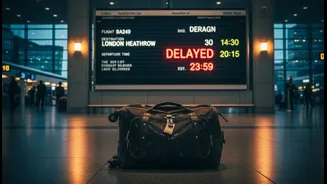
Unlike cancellations, Indian regulations do not mandate direct financial compensation for delays. However, airlines have a 'duty of care'. For delays of two hours or more, they must provide free meals and refreshments. If a delay extends overnight (a delay of more than six hours for flights scheduled between 8 p.m. and 3 a.m.), the airline is obligated to provide free hotel accommodation along with transport to and from the airport. For delays over six hours at other times, the airline must offer a choice between a full refund or rebooking on an alternative flight.
The Golden Rule: Evidence is Everything
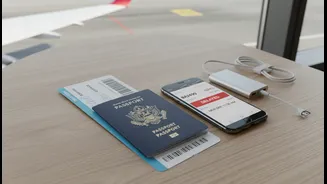
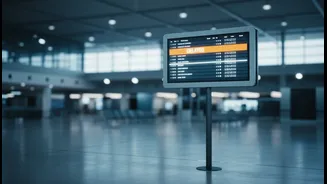
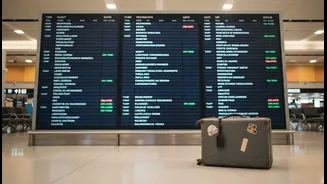
The strength of your claim hinges on documentation. From the moment a disruption occurs, start collecting proof. Take clear photographs or videos of the airport departure boards showing the delay or cancellation. Save every SMS and email notification from the airline, as the timestamp is critical evidence. Keep your boarding pass, ticket confirmation, and any receipts for expenses incurred due to the disruption, such as for food or alternative transport. If an airline employee gives you information, politely ask for it in writing, or request an official 'Flight Disruption Statement'. This paper trail is your best tool when filing a formal complaint.
How to File and Escalate a Claim
Your first step should always be to contact the airline directly, either at the airport help desk or through its official customer service channels. Present your evidence and state your claim clearly. If the airline does not provide a satisfactory resolution within 30 days, you can escalate the matter. The next official step is to file a grievance on the AirSewa portal (airsewa.gov.in) or its mobile app. This government platform forwards your complaint to the airline's nodal officer and is monitored by the DGCA. Remember to include all your documented evidence when you file the grievance.
Know the Exceptions: Force Majeure
Airlines are not required to pay financial compensation for disruptions caused by 'force majeure' or 'extraordinary circumstances'. These are events outside the airline's control, such as extreme weather, political instability, security risks, or decisions by Air Traffic Control. However, even in these situations, your right to a full refund or an alternative flight for a cancellation remains. The airline's duty to provide care, such as meals and accommodation during long delays, also generally stays in effect. Airlines cannot cite force majeure to deny a refund for a cancelled service.