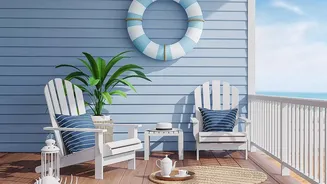





Dreaming of that relaxed, sun-drenched feeling of a seaside escape in your own home? The secret isn't just a blue and white palette; it's about texture. Layering the right materials is what transforms a room into a tranquil coastal sanctuary.
The Foundation: Natural Woven Fibers
The easiest
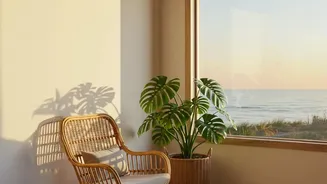
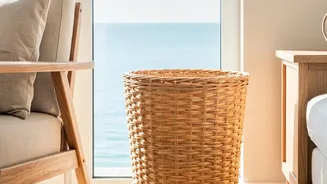
way to establish a coastal mood is from the ground up. Rugs made from natural fibers like jute, sisal, or seagrass immediately evoke the sandy, organic feeling of the shore. Their robust, earthy texture provides a perfect counterbalance to softer furnishings. This textural base also extends to furniture and lighting. Rattan and wicker have long been staples of beach house decor for a reason; their woven construction feels light, airy, and artisanal. Consider a rattan accent chair, a woven pendant light, or seagrass storage baskets to add warmth and a relaxed, structural element to your space.
Soft and Breezy: The Right Textiles
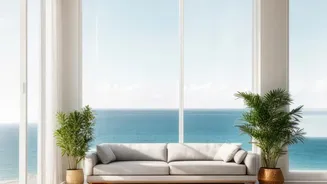
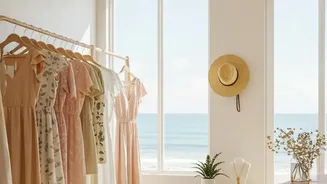
To capture the feeling of a gentle sea breeze, focus on lightweight and breathable fabrics. Linen is a quintessential coastal textile, perfect for curtains, slipcovers, and bedding. Its natural wrinkles and soft feel contribute to a relaxed, lived-in elegance. Sheer or unlined cotton curtains allow natural light to pour in, enhancing the bright and airy atmosphere that is central to coastal design. For comfort, layer in chunky knit throws and pillows with subtle woven textures. These soft elements mimic the comfort of wrapping up after a day by the water, adding a cozy, tactile dimension that invites relaxation.
Earthy and Organic: Weathered Wood
Wood is crucial for grounding a coastal aesthetic and preventing it from feeling too stark. The key is to choose finishes that look as though they have been gently weathered by the sun and sea. Driftwood, with its pale, silvery-grey tones and smooth, worn surface, is the perfect accent. Incorporate it through picture frames, mirrors, or a unique decorative object on a console table. For larger furniture pieces like coffee tables or shelving, opt for light, bleached, or whitewashed wood finishes that feel sun-kissed rather than heavy or dark. These elements bring a sense of history and nature indoors.
Reflecting the Light: Glass and Stone
A coastal home should feel bright and full of light. Textures that reflect or softly diffuse light play an important role. Coloured glass that mimics sea glass—in shades of soft blue and green—can be used for vases and other decorative items. Natural stone with a honed or matte finish, such as travertine or limestone, can bring a subtle, sandy warmth to countertops or accent tables. These smooth, cool surfaces provide a sophisticated contrast to rougher textures like jute and wood, creating a balanced and dynamic space that feels both natural and refined.
Finishing Touches: Subtle Coastal Accents
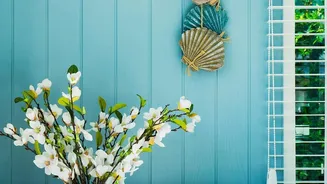
The final layer of texture comes from carefully chosen accessories. This is where you can bring in direct, but subtle, references to the beach. Avoid novelty-themed decor and instead opt for authentic, natural items. A few beautiful seashells, pieces of coral, or smooth beach pebbles arranged in a bowl add an organic touch. Art also contributes to the textural story; consider paintings with visible brushstrokes or thick acrylics that mimic the movement of waves. These small details complete the sensory experience, making the space feel like a personal and peaceful collection of seaside treasures.