
The Two Types of Iron
Iron is an essential mineral that our bodies need for growth, development, and creating haemoglobin, the protein in red blood cells that carries oxygen from our lungs to the rest of the body. When it comes to our diet, iron comes in two forms: heme and non-heme.
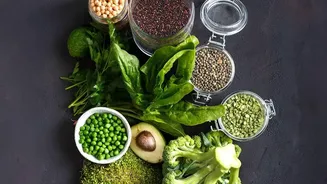
Heme iron is found in animal products like meat, poultry, and seafood. It's highly bioavailable, meaning our bodies can absorb it quite easily. On the other hand, non-heme iron is found in plant-based foods such as leafy greens, beans, lentils, and fortified grains. While abundant, non-heme iron is less easily absorbed by our bodies. This can pose a challenge for vegetarians, vegans, or anyone looking to reduce their meat intake, as they rely exclusively on this less available form of iron.
Vitamin C: The Ultimate Absorption Booster
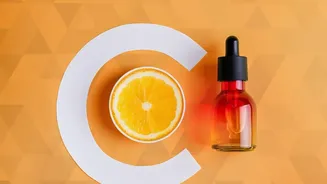
This is where Vitamin C, also known as ascorbic acid, comes to the rescue. It is the single most potent enhancer of non-heme iron absorption. When consumed in the same meal, Vitamin C works its magic in a couple of ways. First, it helps convert the plant-based iron from its ferric state (Fe3+) into the more soluble ferrous state (Fe2+), which is the form our intestines can readily absorb. Second, it forms a soluble complex with the iron, which prevents it from binding with dietary inhibitors. Research has shown this effect to be dramatic. Some studies suggest that adding Vitamin C can increase non-heme iron absorption several times over. One study noted that 100 milligrams of vitamin C increased iron absorption from a meal by more than four times. Others have found it can boost absorption by up to six-fold, effectively counteracting the lower bioavailability of plant-based iron.
Creating the Perfect Pairings
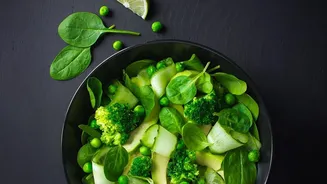
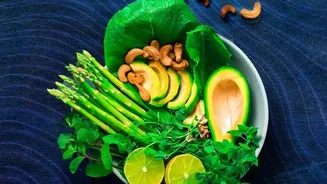
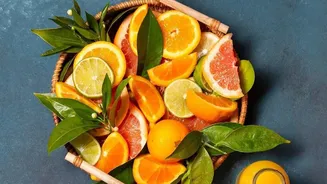
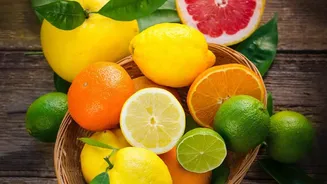
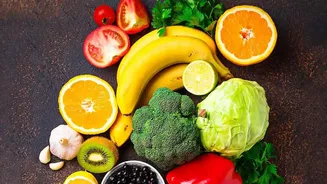
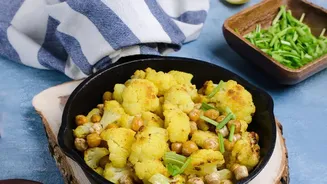
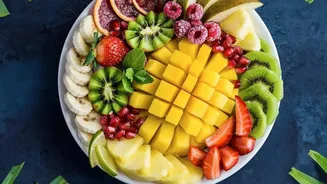
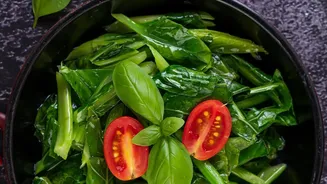
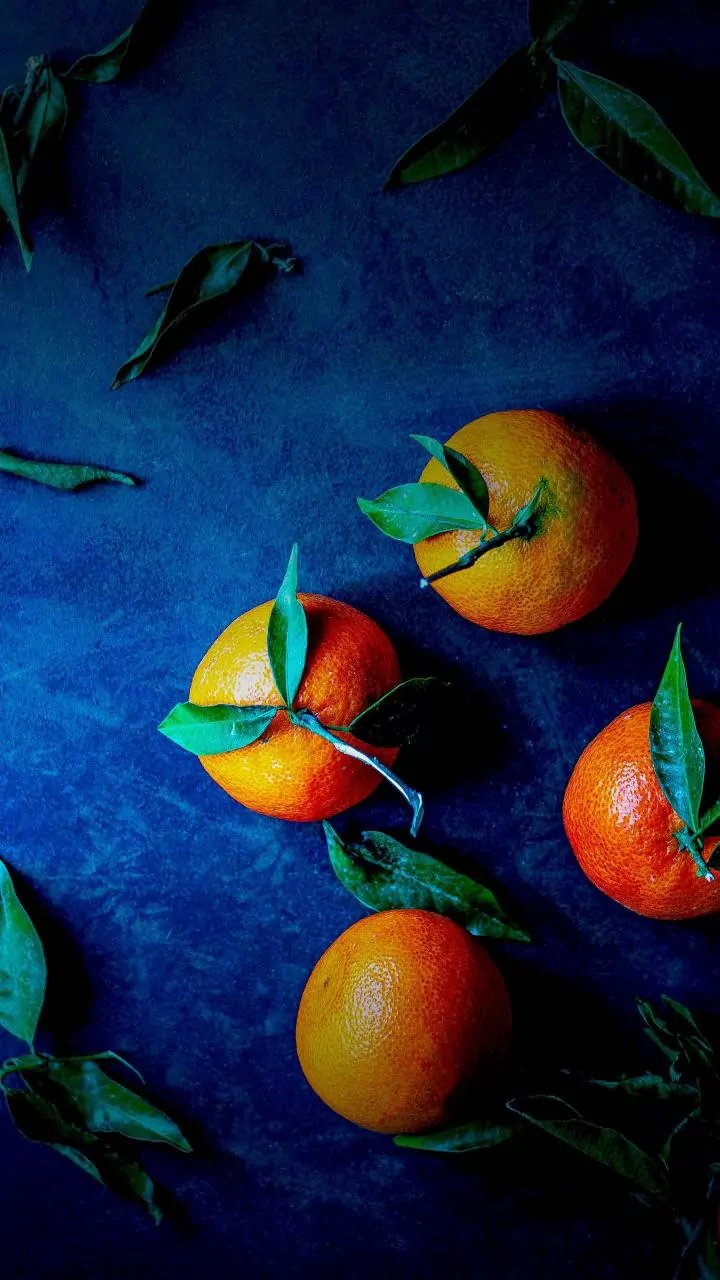
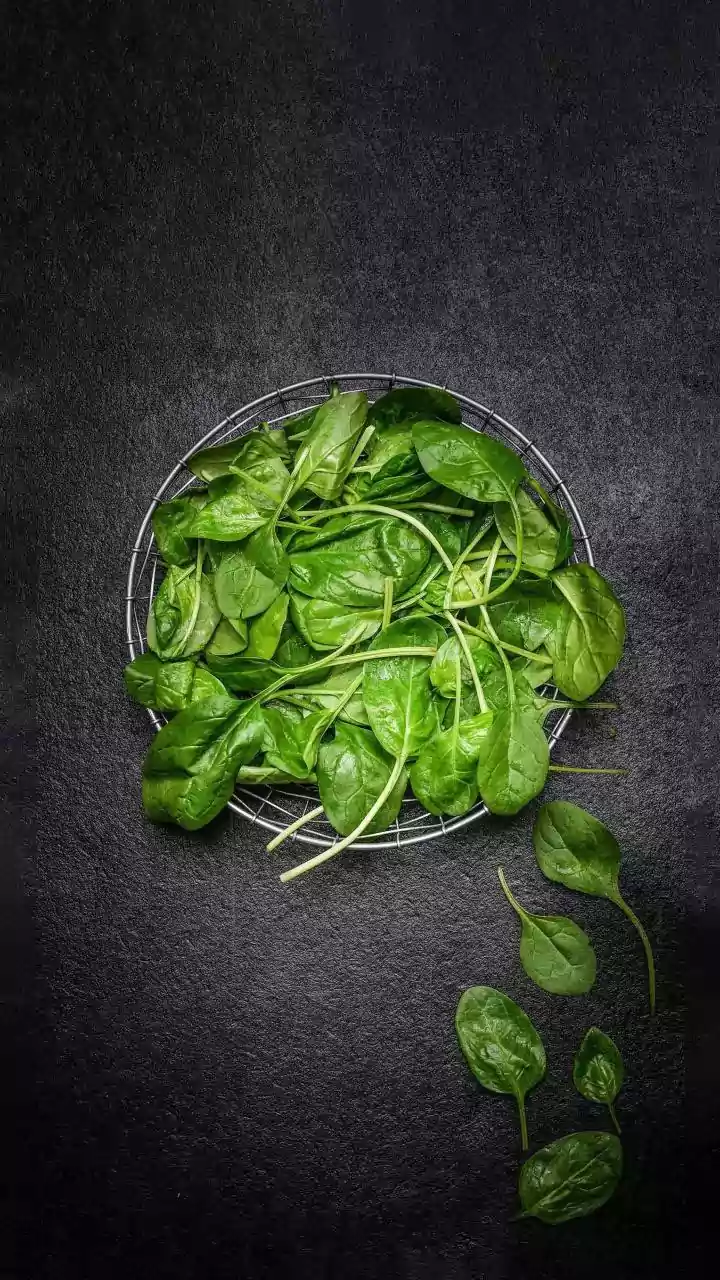
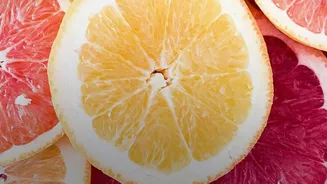
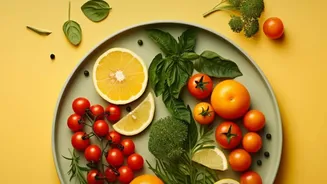
The headline's suggestion of pairing citrus fruits with leafy green salads is a classic and effective example. A spinach salad topped with orange segments and a lemon-based vinaigrette is a powerhouse of iron and Vitamin C. But the possibilities are endless and can be easily integrated into daily Indian meals. Squeezing lemon juice over a bowl of dal (lentils) or sabzi (vegetable stir-fry) is a simple and traditional way to boost iron uptake. Consider adding tomatoes, which are rich in Vitamin C, to your chickpea curry (chana masala). Another great pairing is a serving of amla (Indian gooseberry), one of the richest natural sources of Vitamin C, alongside an iron-rich meal. Other excellent Vitamin C sources to consider are bell peppers, broccoli, strawberries, and guava.
Beyond the Salad Bowl
Maximising your iron absorption doesn't have to be confined to one meal. You can apply this principle throughout the day. Start your morning with an iron-fortified breakfast cereal topped with fresh strawberries. For lunch, a bean burrito with a side of fresh salsa and peppers works wonders. A snack of whole-grain crackers with hummus (made from chickpeas) and some red bell pepper sticks is another smart choice. By consciously combining these food groups in every meal, you turn your plate into a highly efficient system for nutrient absorption, ensuring your body gets the iron it needs to function optimally without necessarily relying on supplements.
What to Keep in Mind
Just as Vitamin C enhances absorption, certain compounds can inhibit it. Tannins, found in tea and coffee, can reduce iron absorption by as much as 60-90%. It's best to enjoy your chai or coffee at least an hour or two before or after an iron-rich meal. Calcium is another known inhibitor, as it competes with iron for absorption. This doesn't mean you should avoid calcium-rich foods like milk, yoghurt, or paneer, but rather try not to consume them in large quantities during your main iron-focused meal. Similarly, compounds called phytates, found in whole grains and legumes, can also hinder iron uptake. However, the powerful effect of Vitamin C can help counteract these inhibitors, making it your best ally in the quest for better iron levels.