


Understanding the Fats on Your Plate
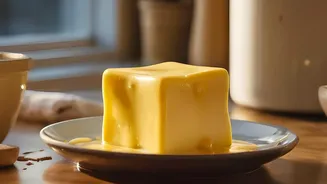
Not all fats are created equal. The two main categories are saturated and unsaturated fats. Saturated fats, found in foods like butter, ghee, red meat, and coconut oil, are typically solid at room temperature. While not inherently evil, a diet high in saturated fat can
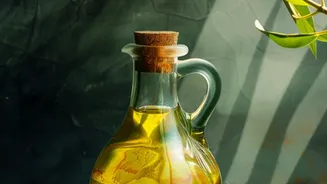
raise levels of LDL cholesterol, often called 'bad' cholesterol, which is a major risk factor for heart disease. Unsaturated fats, on the other hand, are typically liquid at room temperature and are considered heart-healthy. These are the stars of cold-pressed oils and can be further divided into monounsaturated and polyunsaturated fats.
Why Excess Saturated Fat Is a Concern
When you consume too much saturated fat, it can lead to an accumulation of LDL cholesterol in your arteries. This buildup, known as atherosclerosis, causes arteries to narrow and harden, restricting blood flow to the heart and brain. Over time, this increases the risk of serious cardiovascular events, including heart attacks and strokes. In the context of many Indian diets, traditional cooking fats like ghee and certain oils can contribute significantly to saturated fat intake. While these have a place in cuisine, moderation is crucial for maintaining heart health. The Indian dietary guidelines recommend moderate use of edible oils and minimal consumption of ghee and butter.
The Cold-Pressed Advantage
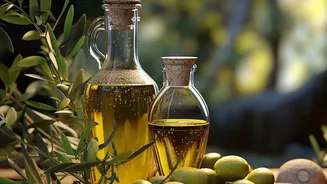
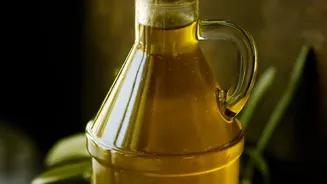
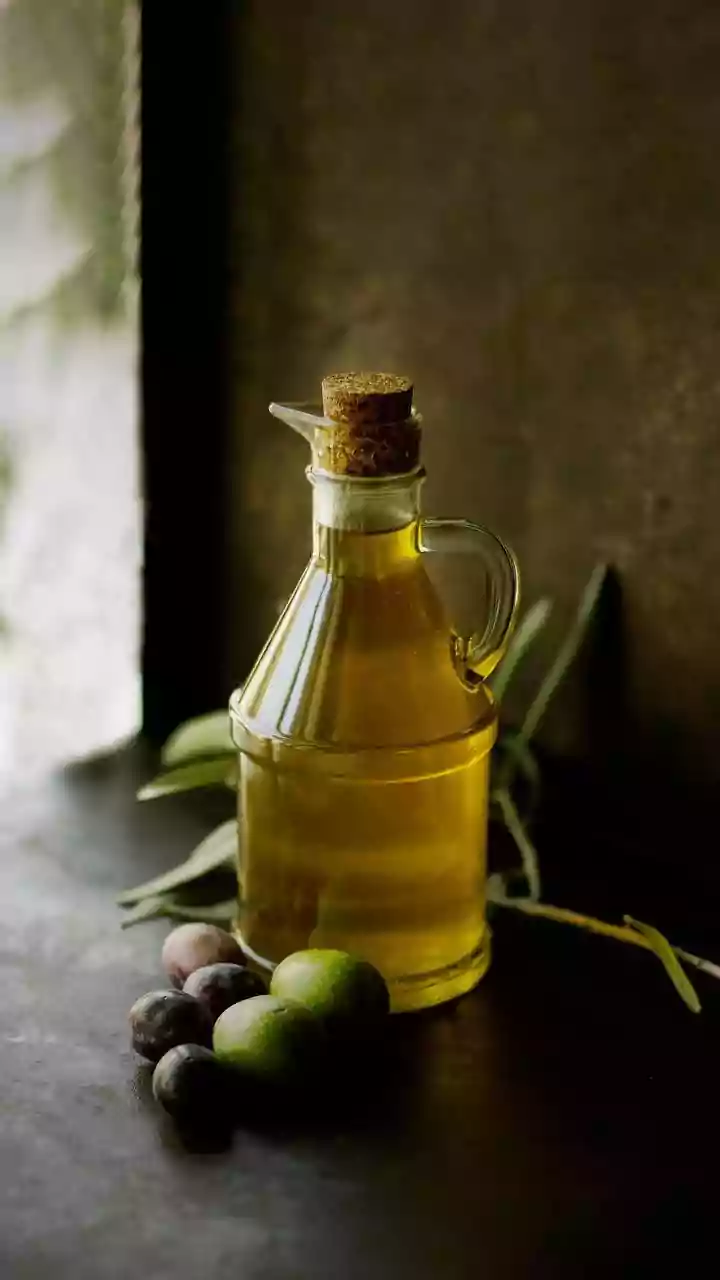
So, what makes cold-pressed oils special? The term 'cold-pressed' refers to the extraction method. The oil is extracted from seeds or fruits using a mechanical press at low temperatures, typically below 27°C. This gentle, heat-free process is vital because it preserves the oil's natural nutrients, flavour, and aroma. High heat and chemical solvents used to create refined oils can destroy delicate vitamins, antioxidants, and beneficial fatty acids. Cold-pressed oils, therefore, retain more of their healthful compounds, including vitamin E and polyphenols, which have powerful antioxidant and anti-inflammatory properties.
The Heart-Healthy Power of Unsaturated Fats
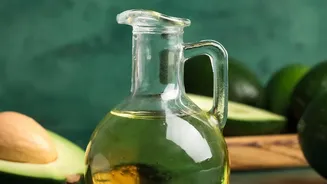
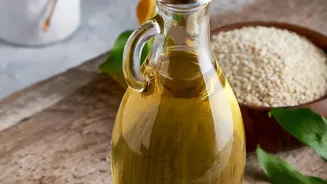
Cold-pressed oils are rich in monounsaturated fats (MUFAs) and polyunsaturated fats (PUFAs), which include omega-3 and omega-6 fatty acids. These fats work wonders for your heart. They help lower LDL (bad) cholesterol while potentially raising HDL (good) cholesterol, striking a healthier balance. The antioxidants preserved in the cold-pressing process also fight oxidative stress and inflammation, two underlying causes of chronic heart disease. Oils like cold-pressed olive, flaxseed, mustard, and avocado oil are excellent sources of these beneficial fats.
Making the Switch: Practical Tips for Your Kitchen
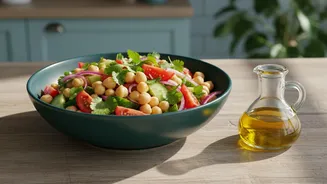
Replacing saturated fats with cold-pressed oils doesn't require a complete dietary overhaul. Start with small, manageable changes. Use cold-pressed olive or avocado oil for salad dressings and low-heat sautéing. Drizzle cold-pressed flaxseed oil over finished dishes for a boost of omega-3s. For everyday Indian cooking, traditional cold-pressed mustard oil or groundnut oil can be excellent choices, used mindfully. Be aware that many cold-pressed oils have lower smoke points than refined oils, making them less suitable for deep-frying. The goal isn't to eliminate fat but to choose smarter, more nutritious sources that actively support your body's wellness.