




The Challenge with Plant-Based Nutrients
Plant foods are powerhouses of nutrition, packed with protein, fibre, vitamins, and minerals. However, they also contain compounds that can make it harder for our bodies to absorb certain key minerals. The main culprits are called phytates and tannins.
Phytates, found in legumes, whole grains, nuts, and seeds, can bind to minerals like iron and zinc in the gut, forming insoluble compounds that your body struggles to use. This means that even if a food is listed as being high in a particular mineral, a significant portion of it may pass through your system unabsorbed. This is particularly important for non-heme iron, the type of iron found in plants, which is naturally less bioavailable than the heme iron found in animal products.
Vitamin C to the Rescue
This is where lemon juice works its magic. Lemons are rich in ascorbic acid, also known as vitamin C, a powerful enhancer of non-heme iron absorption. When you add lemon juice to a meal, the vitamin C gets to work on a molecular level. It helps to convert the plant-based iron (ferric iron, Fe3+) into a form that is more soluble and easier for your intestinal cells to absorb (ferrous iron, Fe2+). Essentially, vitamin C unlocks the iron from the grasp of inhibitors like phytates. The effect is significant; some studies show that adding vitamin C can increase iron absorption by several percentage points, making a tangible difference in how much of this vital nutrient your body receives.
More Than Just Iron
While the effect on iron is the most studied, the benefits of acidic ingredients like lemon juice don't stop there. The presence of citric acid and ascorbic acid can also improve the bioavailability of other essential minerals, including zinc. Like iron, zinc from plant sources can be bound by phytates, reducing its absorption. By helping to break down these phytates, lemon juice can contribute to better zinc uptake, which is crucial for immune function and cell growth. Furthermore, vitamin C itself is a vital nutrient for protein synthesis, specifically in the formation of collagen, a protein essential for skin, joint, and bone health. While it doesn't directly boost protein absorption, it supports the body's ability to use the amino acids from the protein you consume.
Easy and Delicious Ways to Add Lemon
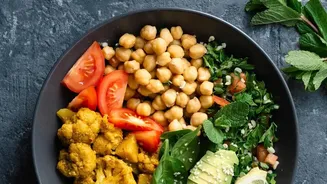
Incorporating this nutritional hack into your daily meals is simple and adds a bright, fresh flavour. You don't need a lot to make a difference; the amount of vitamin C in a quarter or half a lemon is often sufficient. Consider a generous squeeze of fresh lemon juice over a hearty lentil soup or a bowl of chana masala. Whisk it into a vinaigrette with olive oil to dress a spinach and chickpea salad. Using a lemon-based marinade for tofu or tempeh before grilling or baking not only adds flavour but also primes the food for better nutrient absorption. Even a simple drizzle over steamed broccoli or roasted vegetables can enhance their taste and your body's ability to use the minerals within.
Beyond the Lemon: Other Vitamin C Sources
While lemon juice is a convenient and effective option, it's not the only way to achieve this synergistic effect. Any food rich in vitamin C will work just as well when paired with your plant-protein meal. Think of adding chopped red bell peppers to a bean chilli, tossing strawberries into a spinach salad, or serving your tofu stir-fry with a side of steamed broccoli. Other excellent sources of vitamin C include oranges, kiwi, tomatoes, and dark leafy greens like kale. The key is to consume the vitamin C-rich food in the same meal as your iron and zinc source to ensure they are in your digestive system at the same time, ready to work together.