





Why Are So Many Trains Affected?
July is a challenging month for railway operations, primarily due to two major factors: the monsoon and critical infrastructure work. Central Railway has implemented its annual Monsoon Timetable for the Konkan Railway route, which will be in effect until
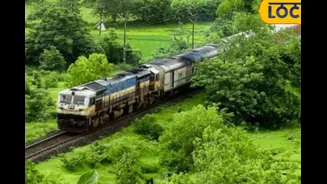
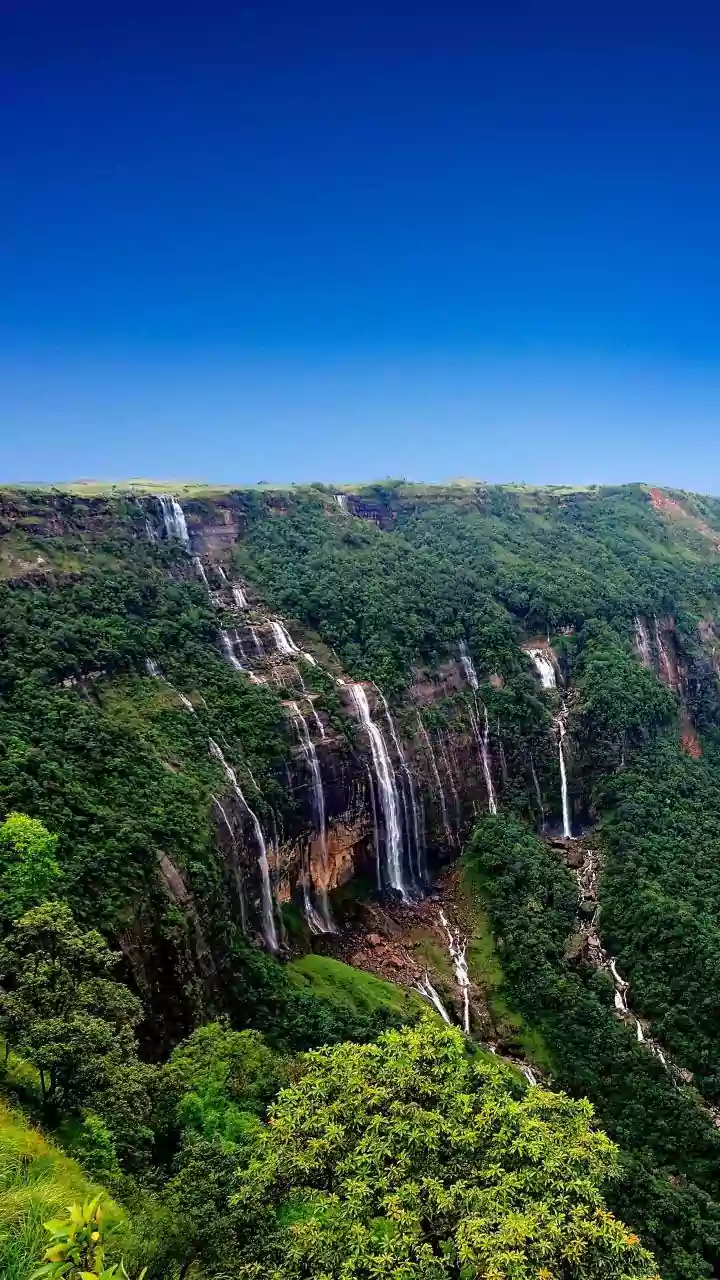
October 20, 2026. This special schedule is a safety measure for the disaster-prone Konkan line, a scenic but geographically challenging route with numerous tunnels and deep cuttings susceptible to landslides and waterlogging. Trains on this route run at reduced speeds, adding significant travel time. Compounding the monsoon's impact, recent heavy rainfall has caused landslides, particularly in the Lonavala-Karjat ghat section, a critical corridor connecting Mumbai and Pune. This has forced immediate, widespread cancellations and diversions. Alongside these emergency measures, Central Railway is also conducting planned engineering blocks for track upgrades and maintenance, such as a major nine-hour block at Pune station on July 5th to upgrade track layouts.
Major Routes Hit by Disruptions
The most significant disruptions are concentrated on the Mumbai-Pune and Konkan Railway corridors. The Lonavala-Karjat ghat section, which is part of the Mumbai-Pune line, has been severely affected by landslides, leading to the suspension, cancellation, or diversion of many popular intercity trains. As of early July, services like the Deccan Queen, Deccan Express, and Intercity Express were among those cancelled. Restoration work is ongoing, but passengers on this route should expect continued uncertainty. Simultaneously, the Konkan route, connecting Mumbai with Goa, Mangaluru, and destinations in Kerala, is operating under the revised monsoon schedule. This affects the timings of at least 46 trains, including premium services like the Vande Bharat, Tejas, and Rajdhani Expresses. Some trains have also had their running days reduced for the season.
Recent Cancellations and Diversions
Due to landslides in the Lonavala-Karjat section, Central Railway announced a slate of cancellations for July 9, including the Pune-CSMT Deccan Queen (12124), CSMT-Pune Deccan Queen (12123), CSMT-Pune Deccan Express (11007), Pune-CSMT Deccan Express (11008), and the CSMT-Pune Intercity Express (12127). The Dadar-Satara Express (11027) is cancelled for July 10. Many other trains have been diverted. For instance, several services that would normally pass through the affected ghat section are being re-routed via Kalyan-Igatpuri-Manmad-Daund or Thane-Diva-Panvel-Karjat. These diversions can add hours to the journey. Passengers should be aware that some services might also be 'short-terminated' (ending before their final destination) or 'short-originated' (starting from a station other than their scheduled origin). For example, the CSMT-Bengaluru Express (11301) on July 9 was scheduled to originate from Pune instead of Mumbai CSMT.
How to Check Your Train Status
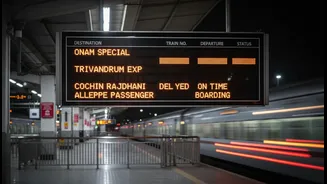
Given the dynamic situation, checking your train's status before and on the day of your journey is essential. Do not rely on your original booking details alone. The most reliable source for real-time information is the National Train Enquiry System (NTES). You can access it through the official website (indianrail.gov.in) or by downloading the NTES mobile app. Simply enter your train number to get the latest updates on its schedule, running status, and any diversions. Alternatively, you can dial the railway enquiry number 139 for automated information. Central Railway also posts frequent updates on its official social media accounts, particularly on X (formerly Twitter). These platforms often provide the most immediate news on disruptions caused by weather or accidents. Always verify information from official sources to avoid confusion.