





The Old Challenge: Designing Beyond The Metros
Historically, a freelancer's location heavily dictated their opportunities. Those in major metropolitan hubs like Mumbai or Bengaluru had access to large corporate clients, networking events, and the latest software training. Meanwhile, a talented designer
in a Tier-2 or Tier-3 city faced significant disadvantages. Limited access to reliable, high-speed internet, fewer local clients with large budgets, and the high cost of professional design software created a glass ceiling, making it difficult to compete with their big-city counterparts. This often meant settling for smaller, lower-paying projects, despite possessing the same level of skill. The growth of India's gig economy was happening, but the most lucrative projects often remained concentrated in urban centres.
Enter The AI Co-Pilot
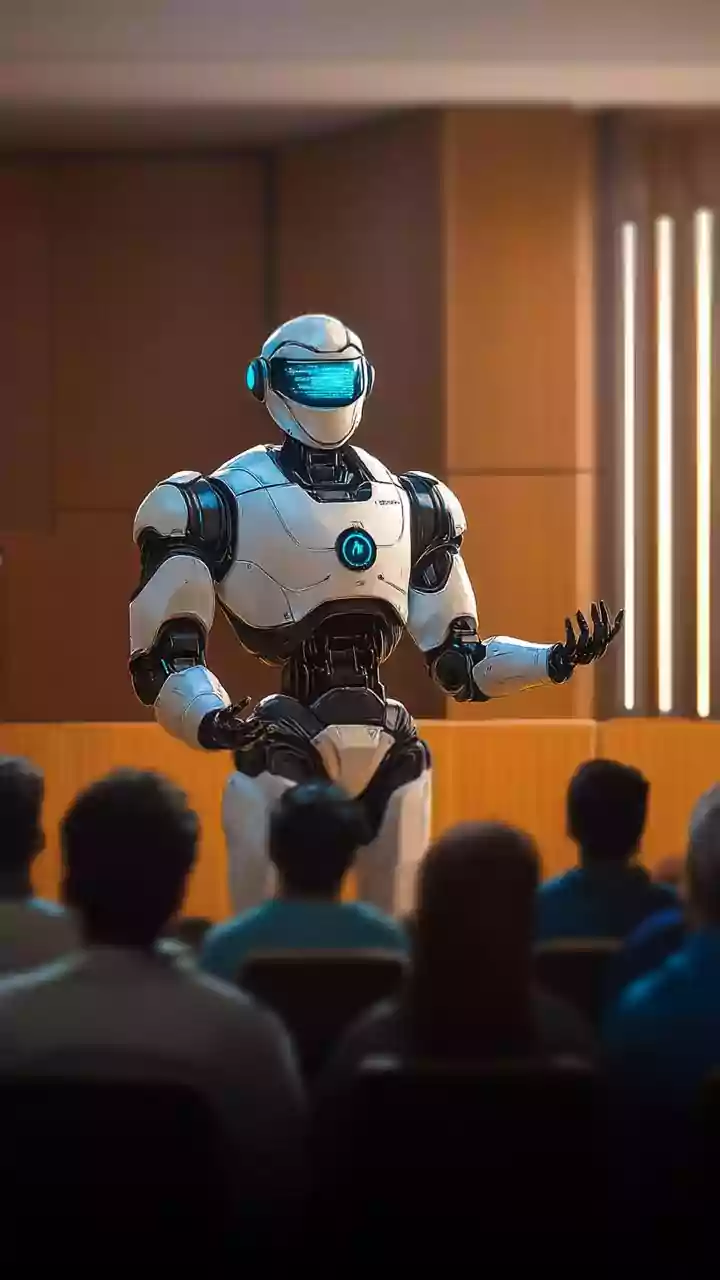
The game is changing thanks to the rise of accessible and powerful AI design platforms. Tools like Canva, Adobe Firefly, Microsoft Designer, and others have integrated artificial intelligence to automate and simplify complex design tasks. These platforms are not just for basic social media posts anymore. They have evolved into sophisticated 'co-pilots' that can help a single freelancer produce a level of work that once required a small agency. For freelancers in non-metro areas, this is a revolutionary shift. It democratizes access to high-quality design tools, often with powerful free tiers or affordable subscriptions, drastically lowering the financial barrier to entry that once kept them on the sidelines.
From Idea To Identity In Minutes
So, how does it work in practice? Imagine a small business in a non-metro town needs a complete brand identity. In the past, this was a time-consuming and expensive process. Today, a freelancer can use an AI platform to generate dozens of logo ideas, colour palettes, and font pairings in minutes, simply by inputting a text description of the business. The platform acts as an incredibly fast collaborator, handling the repetitive tasks of ideation and variation. This frees up the freelancer to focus on the more strategic and creative aspects: understanding the client's vision, refining the AI-generated concepts, and adding the crucial human touch that turns a generic design into a compelling brand story.
Building Systems, Not Just Logos
The headline's mention of 'visual branding systems' is key. Modern branding is about consistency across all touchpoints. AI tools excel at this. Once a core design direction is chosen—a logo and colour scheme, for instance—platforms like Canva's 'Brand Kit' can instantly apply it across dozens of templates. This includes business cards, social media banners, presentations, and website mockups. What used to take hours of manual resizing and adjustments now happens in a few clicks. This allows a solo freelancer to offer a comprehensive branding package, a high-value service that was previously difficult to deliver without a team. They can provide clients with a complete, ready-to-use system that ensures brand consistency everywhere.
The Economic Impact for 'Bharat'
The result is a significant economic uplift for creative professionals across India. By using AI to increase their productivity and the quality of their output, freelancers in smaller towns can now compete for projects on a more level playing field. They can take on more clients, deliver work faster, and command higher rates for providing complete branding systems. This shift is part of a larger trend where digital tools and remote work are reducing the importance of physical location. Skilled freelancers are no longer defined by their city but by the quality of their portfolio and their ability to leverage modern tools to solve client problems efficiently. AI is not replacing designers; it is augmenting them, turning solo entrepreneurs into highly efficient creative powerhouses.