

The Modern Obsession with Gut Health
Walk down any supermarket aisle, and you'll find a dizzying array of products promising to boost your gut health. From tiny, sugary shots to fancy fermented teas, the message is clear: a healthy gut is the key to overall wellness, and you need to buy
something to achieve it. Probiotics, the 'good' live bacteria and yeasts, are at the centre of this boom. They are essential for balancing our internal ecosystem, aiding digestion, and even supporting our immune system. While the marketing is modern, the concept is ancient. For generations, Indian households have cultivated these beneficial microbes not in a lab, but in their own kitchens through the simple, time-tested process of fermentation.
Kanji: The Pungent Winter Powerhouse
Long before kombucha became a global trend, homes in North India were fermenting Kanji. This traditional drink, typically made with black carrots (or beets), water, salt, and coarsely ground mustard seeds, is a true probiotic superfood. Left to ferment in the sun for a few days, the mustard seeds work their magic, transforming the liquid into a tangy, pungent, and deeply purple beverage teeming with beneficial bacteria like Lactobacillus. These natural probiotics help balance gut flora, improve digestion, and reduce issues like bloating. Beyond its probiotic power, Kanji is rich in antioxidants from the black carrots, particularly anthocyanins, which fight inflammation. It's a low-calorie, hydrating drink that also helps the body's natural detoxification processes.
Tadka Chaas: The Cooling Digestive Soother
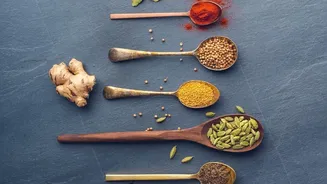
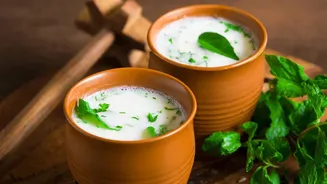
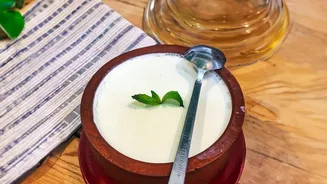
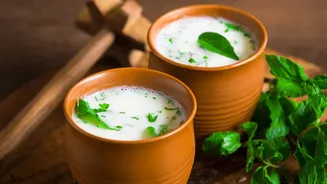
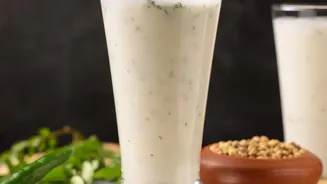
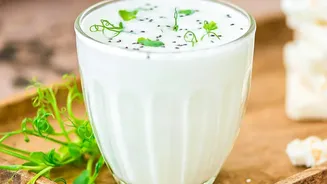
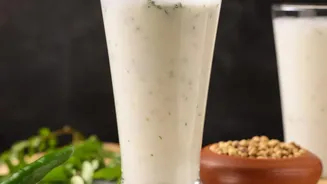
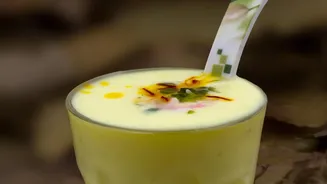
Perhaps the most ubiquitous probiotic in India is the humble chaas, or buttermilk. Unlike the thick, sweet lassi, traditional chaas is a light, refreshing drink made by diluting curd and churning it. A simple 'tadka' (tempering) of cumin seeds, curry leaves, and sometimes ginger elevates it from a simple drink to a digestive aid. The fermentation process involved in making the curd ensures that chaas is a natural source of live probiotics that support the gut microbiome. It is known to cool the body, prevent dehydration by replenishing electrolytes, and soothe the stomach lining, especially after a spicy meal. Its lactic acid content helps improve metabolism and encourages regular bowel movements, making it an excellent daily digestive.
The Store-Bought Reality Check
Commercial probiotic drinks might seem like a convenient shortcut, but they often come with significant downsides. The primary issue is sugar. Many popular brands contain high amounts of added sugar or artificial sweeteners, which can actually harm your gut by feeding 'bad' bacteria, counteracting the benefits of the probiotics. Furthermore, many of these drinks are pasteurised or processed in ways that can reduce the number of live, viable bacteria that actually reach your gut. While they may list specific strains, the overall diversity of microbes is often far lower than what you'd find in a naturally fermented food. The bacteria in homemade ferments like Kanji and chaas are also protected by a 'food matrix' of proteins and fibres, which may help them better survive the acidic journey through the stomach.
Why Homemade Always Wins
When you compare them side-by-side, the advantages of traditional Indian kitchen probiotics are undeniable. They are significantly cheaper, using basic ingredients you likely already have. You have complete control over the quality and freshness, with no hidden sugars, preservatives, or artificial flavours. Most importantly, homemade ferments offer a wider diversity of beneficial bacteria, which is a key marker of a robust gut microbiome. Making Kanji or chaas is not just about health; it's about connecting with a culinary heritage that has understood the secrets of gut health for centuries. It’s a return to the wisdom that our grandmothers practiced daily: real food is the best medicine.