


The End of the Syrup Era
For years, the standard for cold tea in India was a predictable affair: a pre-mixed powder or a pump of vibrantly coloured syrup stirred into chilled black tea. While refreshing, these drinks were often loaded with sugar and artificial flavours, a stark
contrast to the country's rich, nuanced tea heritage. As consumers become more health-conscious, there's a growing fatigue with these overly sweet concoctions. The shift is part of a larger wellness trend, with a rising demand for beverages with lower sugar content, clean labels, and functional benefits. This has paved the way for a more sophisticated and authentic approach to cold tea, one that finds flavour in nature, not in a factory.
A Botanical Renaissance
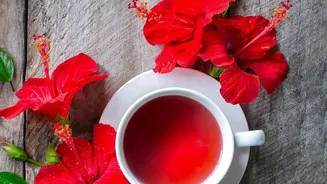
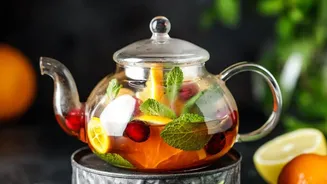
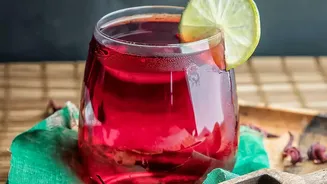
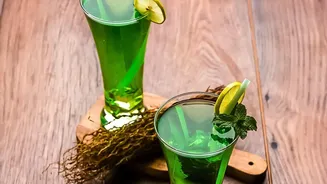
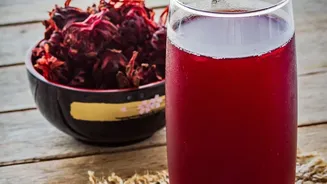
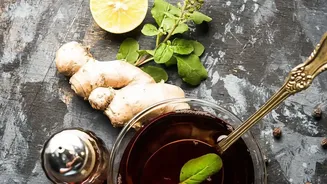
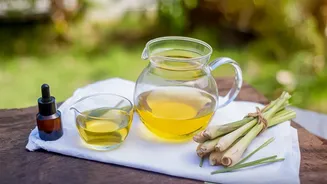
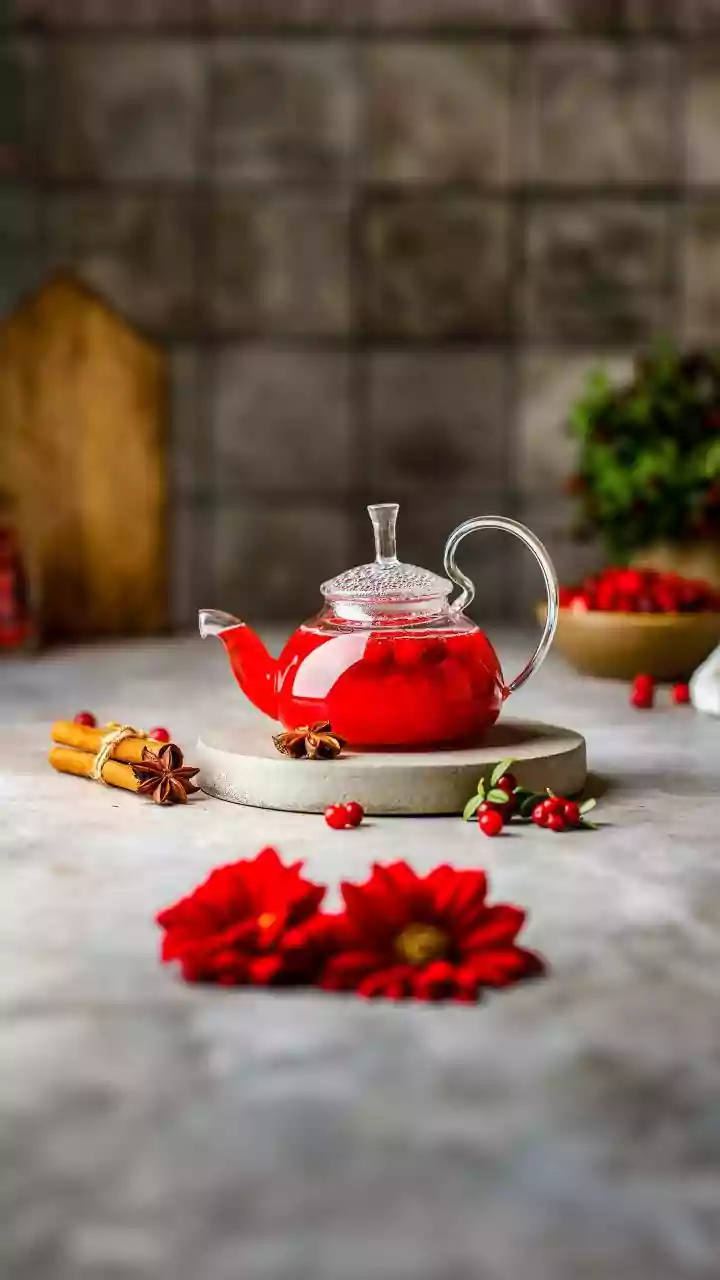
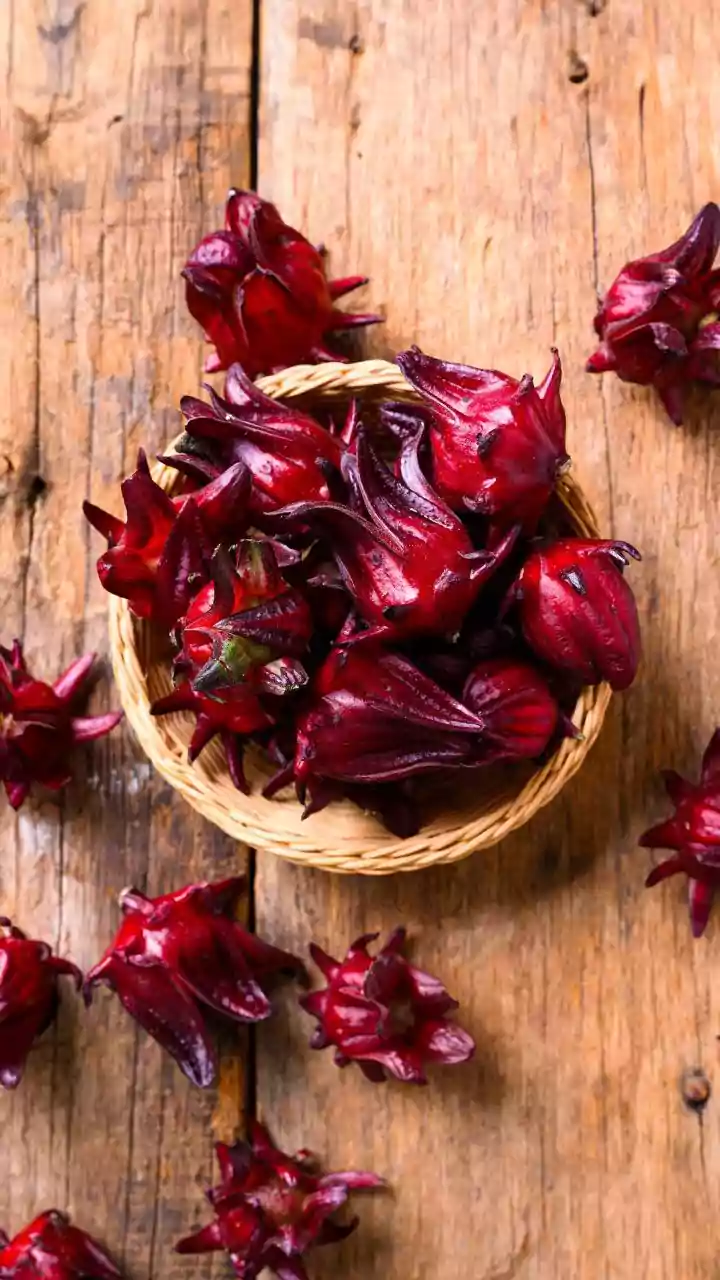
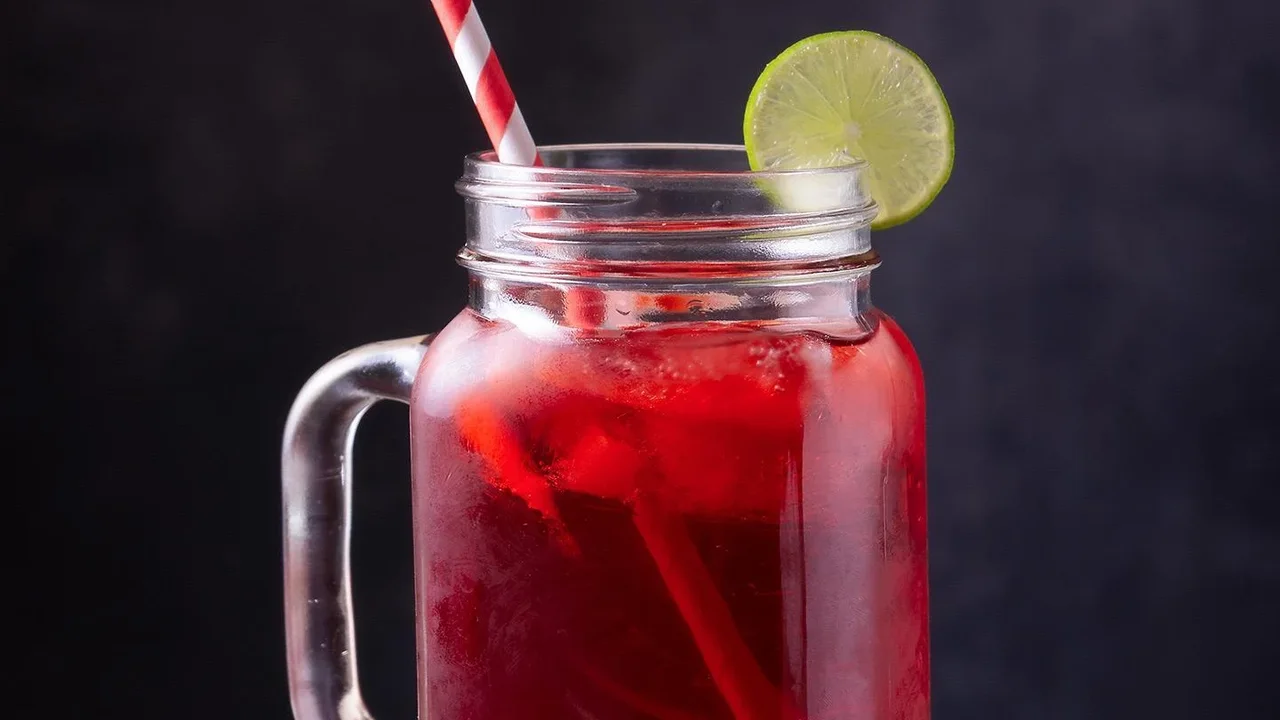
Enter the new stars of the cold tea world: indigenous botanicals. Ingredients like zesty lemongrass, tart hibiscus, earthy turmeric, and calming tulsi are now at the forefront of this trend. Cafes and artisanal brands are crafting vibrant, flavourful cold brews and iced teas that highlight these natural ingredients. Blends featuring hibiscus and lemongrass offer a tangy, citrusy profile with a brilliant ruby hue, while others might incorporate ginger for a spicy kick or rose petals for a floral aroma. This move towards botanical infusions is celebrated not just for its taste but also for its visual appeal; the natural colours create stunning, Instagram-worthy beverages that signal a fresh, modern identity.
More Than Just Good Taste
This trend is deeply rooted in the growing global focus on health and wellness. Many of the botanicals being used have been staples in traditional Indian medicine, like Ayurveda, for centuries. Lemongrass is known for its calming properties and ability to aid digestion, while hibiscus is packed with antioxidants and may help manage blood pressure. These herbal infusions are often naturally caffeine-free and hydrating, making them a popular choice for any time of day. By choosing these botanical teas, consumers are not just getting a refreshing drink; they are embracing a beverage with functional benefits that can support everything from the immune system to stress relief.
A Return to Indian Roots
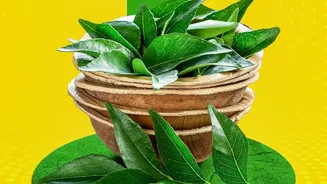
The embrace of ingredients like tulsi, ashwagandha, and local floral varieties represents a powerful return to agricultural and culinary roots. It showcases a renewed appreciation for the country's immense biodiversity and traditional knowledge. This movement mirrors a broader trend seen in Indian cuisine, where chefs and food entrepreneurs are championing local, seasonal, and indigenous produce. It's a cultural shift that connects the modern cafe experience with the wisdom of past generations, offering a taste that is both innovative and deeply familiar. This turn towards native ingredients is transforming the iced tea market from a follower of Western trends into a leader in its own right, creating unique flavour profiles that are authentically Indian.
The Trend at Home
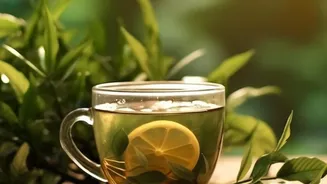
This botanical wave isn't confined to upscale cafes. The trend is becoming increasingly accessible for home consumption. A growing number of brands offer beautifully packaged loose-leaf blends and easy-to-use tea bags featuring these indigenous ingredients. Recipes for creating homemade hibiscus iced tea or cold-brewing lemongrass infusions are gaining popularity, allowing anyone to experiment with these natural flavours. This accessibility is key to the trend's longevity, moving it from a niche market curiosity to a mainstream staple. As ready-to-drink options expand and home brewing becomes simpler, the vibrant, authentic tastes of botanical cold teas are set to become a permanent fixture in the Indian beverage landscape.