






What Is the 3,000-Yen 'Sayonara Tax'?
Japan's International Tourist Tax, often nicknamed the 'Sayonara Tax', is a fee levied on every person departing the country, regardless of nationality. As of July 1, 2026, this tax tripled from its original 1,000 yen to 3,000 yen. For travellers from India,
this translates to roughly ₹1,770, a cost that, while not exorbitant, is worth noting in your travel budget. This fee applies to anyone leaving Japan by plane or cruise ship. The increase is part of a broader government strategy to manage the country's tourism boom.
How You Pay (Without Even Noticing)
The good news for travellers is that you won’t be asked to line up and pay this tax in cash before you board your flight. The collection process is designed to be seamless. The 3,000-yen fee is almost always included directly in the price of your airline or cruise ticket. When you see the breakdown of your ticket fare, it will likely be listed as 'International Tourist Tax' or a similar designation. This automated process means that for most people, the tax is paid at the time of booking without any extra steps needed at the airport.
The Budget Traveller's Burden
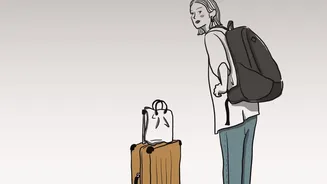
While a fixed fee of 3,000 yen might seem negligible on a two-week, high-end vacation, its impact is felt more acutely on shorter, budget-led trips. For a backpacker on a five-day tour spending a total of 60,000 yen, the tax represents 5% of their total expenditure. For a family on a two-week trip spending 400,000 yen, it is less than 1%. It's a simple matter of proportion: the lower the total trip cost, the larger the percentage a fixed fee consumes. This is particularly relevant for those meticulously planning their expenses in rupees, where every yen counts toward another bowl of ramen or a train ticket to the next town.
Are There Any Exemptions?
Yes, but they are quite specific. Not everyone leaving Japan is required to pay the departure tax. The main exemptions apply to children under the age of two and transit passengers who are scheduled to depart Japan within 24 hours of their arrival. Travellers who had purchased their tickets before the price hike went into effect on July 1, 2026, were also exempt from the increased amount. However, for the vast majority of international tourists, the tax is a standard and unavoidable part of their travel cost.
Where Your Money Is Actually Going
It can be helpful to know that this tax is not just a fee for leaving. The revenue, projected to reach around 120 billion yen annually, is earmarked for specific improvements to the country's tourism sector. The Japanese government plans to use these funds to enhance tourism infrastructure, such as speeding up airport processes and improving public transport. A key goal is to combat 'overtourism' in popular cities like Tokyo and Kyoto by promoting travel to lesser-known, rural destinations. So, in a way, your 3,000 yen is an investment in making your next trip to Japan even better and more sustainable.