



Kerala’s Emerald Jewel
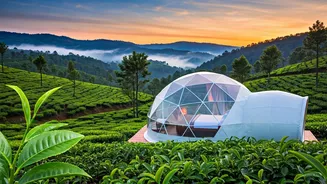
Tucked away in the northeastern part of Kerala, a state often called “God’s Own Country,” the Wayanad district is a verdant wonderland nestled in the Western Ghats mountain range. This isn't the India of bustling megacities. Instead, it’s a rolling tapestry
of spice plantations, dense forests, cascading waterfalls, and emerald-green rice paddies. For American travelers accustomed to more well-trodden paths, Wayanad offers a glimpse into a quieter, more elemental side of the subcontinent. Its elevation, ranging from 2,300 to 6,900 feet, blesses it with a cool, refreshing climate, making it a year-round destination. But for a certain type of adventurer, the most magical time to visit is when the skies open up.
Embracing the Monsoon
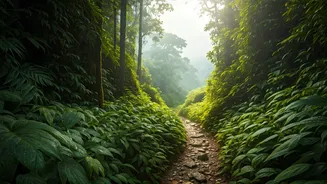
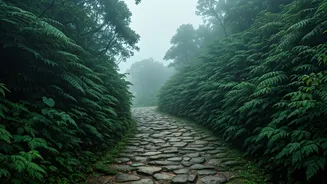
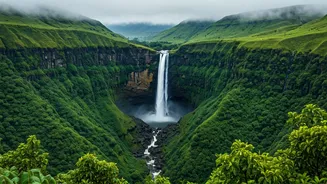
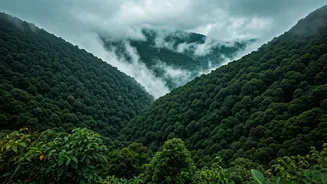
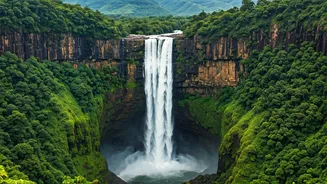
In many parts of the world, a monsoon means canceled plans and indoor confinement. In Wayanad, it’s the main event. From June to September, the seasonal rains transform the entire landscape into a vibrant, living spectacle. The dust settles, and the flora explodes in impossible shades of green. Rivers, once tame, now rush with renewed vigor, and waterfalls thunder down cliffsides. For trekkers, this season offers a unique sensory experience. The air is thick with the petrichor—the earthy scent of rain on dry soil—mixed with the fragrant aroma of cardamom, pepper, and coffee from the surrounding plantations. The trails are often shrouded in a thick, moving mist that lends an ethereal, almost mystical quality to the journey, where every turn reveals a new, dreamlike vista.
Trails Through the Clouds
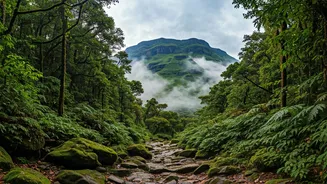
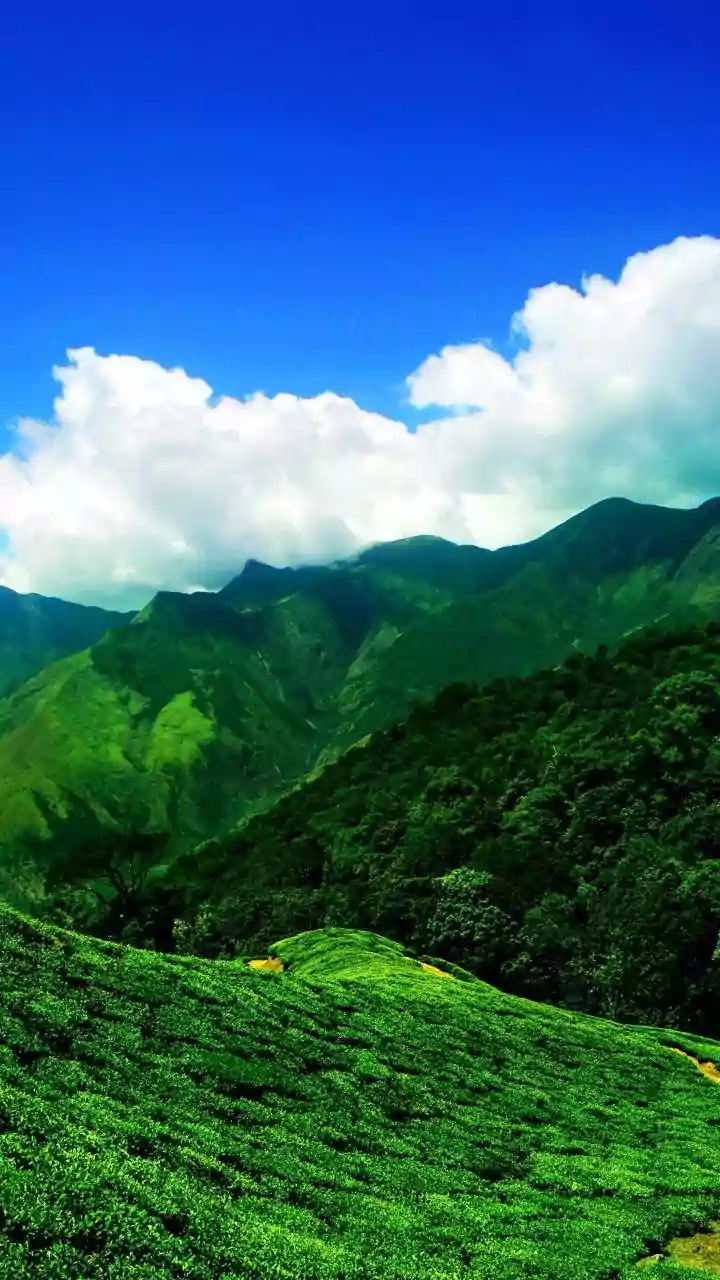
The trekking here is as diverse as the landscape itself. The most iconic trek is arguably up Chembra Peak, the highest point in Wayanad. The journey takes you through rolling tea gardens that give way to lush shola forests. The reward near the summit is a breathtaking view of 'Hridaya Saras,' a heart-shaped lake that, according to local legend, has never dried up. On a misty monsoon day, the sight of the lake appearing and disappearing through the swirling clouds is pure magic. Other popular routes include trekking to the magnificent Soochipara Falls, a three-tiered waterfall also known as Sentinel Rock, or exploring the trails around Banasura Sagar Dam, the largest earthen dam in India. These aren’t just walks; they are immersions in a dynamic, breathing ecosystem.
The “Eco” in Eco-Trekking
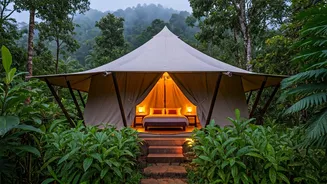
The term “eco-trekker” in the headline is key. Tourism in Wayanad is increasingly centered on principles of sustainability and community. This isn’t about conquering nature; it's about coexisting with it. Many trekking experiences are managed by local community groups, ensuring that tourism dollars directly benefit the people who call this region home. Visitors are encouraged to stay in homestays, offering an authentic experience of local culture and hospitality, rather than in large, impersonal hotels. Guides are often from local tribal communities, possessing an unparalleled, generational knowledge of the forests, the wildlife, and the seasons. This approach fosters a deep respect for the environment, emphasizing a leave-no-trace philosophy and educating visitors on the delicate balance of the Western Ghats, a UNESCO World Heritage Site and one of the world’s most important biodiversity hotspots.
Whispers of Ancient History
The allure of Wayanad extends beyond its natural beauty. The region is steeped in history, with evidence of human settlement dating back to the Neolithic age. A visit to the Edakkal Caves is a journey back in time. These are not caves in the traditional sense but rather a massive fissure in a rock caused by a piece of it splitting away. Inside, the walls are covered in petroglyphs—rock carvings that are thousands of years old, depicting human figures, animals, and symbols that are still being deciphered by archaeologists. Reaching the caves requires a short but steep trek, and standing inside, gazing at art left by ancient ancestors while looking out over the misty hills, connects the present-day trekker to a chain of human history that is both humbling and profound.