







The Daily Waste Dilemma
Every day, Indian cities generate over 1.5 lakh metric tonnes of solid waste. A staggering 50-60% of this is 'wet waste'—fruit and vegetable peels, leftover food, and other organic matter from our kitchens. This organic material gets mixed with plastics,
paper, and glass, and is carted off to already overflowing landfills. Once there, it rots under mountains of non-biodegradable trash, releasing methane, a potent greenhouse gas, and polluting our soil and groundwater. It’s a systemic problem that feels impossibly large, leaving many of us wondering what one person can possibly do.
Turning 'Kachra' into 'Khazana'
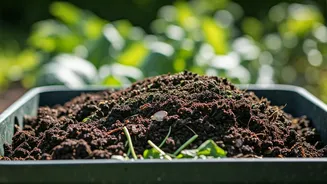
The answer, it turns out, is surprisingly simple: home composting. This is the habit that’s steadily gaining followers across urban India, from apartments in Mumbai to bungalows in Bengaluru. Composting is nature's recycling process. It’s the controlled decomposition of organic matter by microorganisms into a rich, dark, soil-like material. This end product, affectionately called 'black gold' by gardeners, is a powerhouse of nutrients. By composting our kitchen waste, we complete a natural cycle. Instead of sending valuable organic resources to a landfill, we transform them into a treasure that can breathe life back into the soil, whether in a pot on our balcony or a patch in our garden.
Why Is It Catching On Now?
The composting wave isn't accidental. Several factors are driving its adoption. The pandemic spurred a nationwide interest in home gardening and self-sufficiency, creating a demand for good quality soil enhancers. Simultaneously, a growing environmental consciousness, especially among millennials and Gen Z, has people seeking tangible ways to reduce their carbon footprint. Social media has played a huge role, with urban gardening influencers and sustainability communities sharing easy-to-follow guides and demystifying the process. Startups offering stylish, apartment-friendly composters—like terracotta 'khambas' or compact bin systems—have made it easier than ever to start. Cities like Bengaluru, a pioneer in waste segregation, have shown through policy and community action how effective decentralised composting can be, inspiring others to follow suit.
How to Start Your Composting Journey
Getting started is less complicated than you think. You don't need a sprawling garden; a small balcony or even a kitchen corner will do. The basic principle is to balance 'greens' and 'browns'.
- **Greens:** These are nitrogen-rich materials like your daily kitchen scraps—vegetable peels, fruit waste, coffee grounds, and tea leaves. Avoid cooked food, meat, oil, and dairy, as they can attract pests and create foul odours.
- **Browns:** These are carbon-rich dry materials like dried leaves, sawdust, shredded newspaper, and cardboard. They are crucial for aeration and preventing the compost from becoming a smelly, soggy mess.
The ideal ratio is roughly two parts brown to one part green. Start by layering them in your composter. You can use a simple bucket with holes drilled in it or purchase a ready-made unit. Every few days, give the mixture a turn to introduce oxygen, which helps the microbes do their work. In a few weeks to a couple of months, you'll have your very own nutrient-rich compost, ready to nourish your plants.
More Than Just Dirt
Adopting the habit of composting does more than just reduce the waste leaving your home. It fundamentally changes your relationship with food and waste. You become more mindful of what you buy and what you throw away. It connects you to a natural cycle that is deeply rewarding. For families, it's a fantastic educational tool for children, teaching them about responsibility and the environment in a hands-on way. It fosters a sense of empowerment, proving that small, individual actions, when multiplied across a community, can lead to significant, positive change for our cities and our planet.