
As festive lights twinkle across India, a quiet revolution is taking place on the dining table. The familiar fizz of imported sodas is increasingly being replaced by the authentic tastes of traditional Indian drinks, and the reasons go far beyond simple
refreshment.
A Shift in the Festive Palate
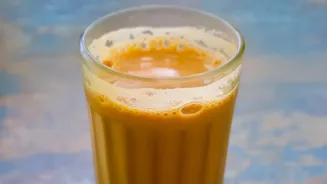
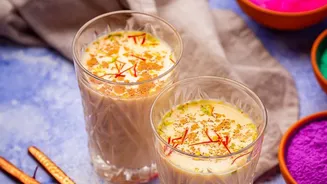
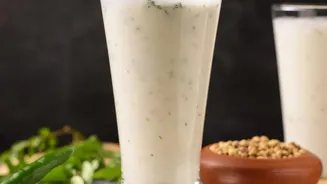
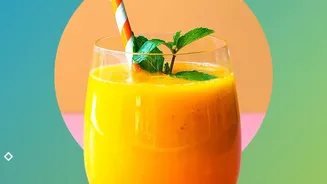
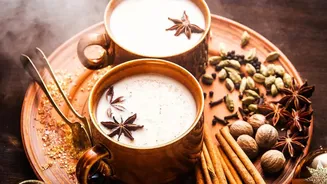
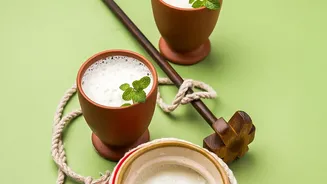
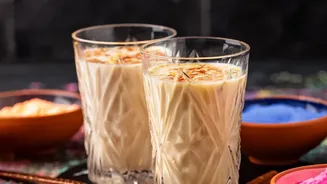
For decades, festive gatherings in India were synonymous with the clinking of glasses filled with popular international colas and fizzy drinks. They were the default choice for hosts and guests alike. Today, however, a noticeable shift is underway. From Diwali parties to wedding feasts, you are now just as likely to be offered a chilled glass of shikanji, a fragrant thandai, or a tangy jaljeera. This isn't just a niche trend; it’s a widespread movement reflecting a deeper change in consumer preferences across the country. Reports from 2026 show that while the overall beverage market is growing, functional and ethnic drinks are expanding at a significantly faster rate, challenging the long-held dominance of carbonated soft drinks.
The Undeniable Pull of Wellness
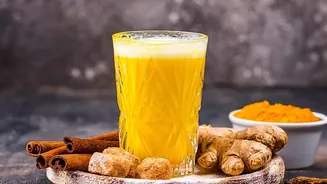
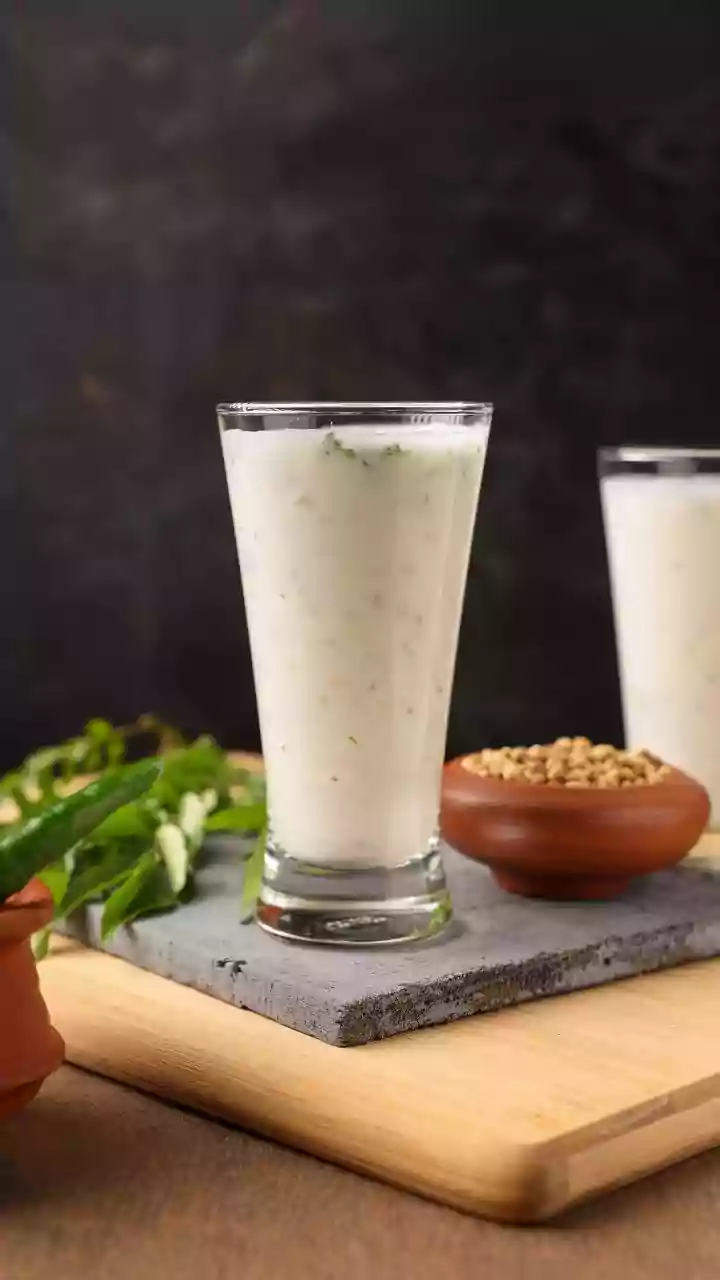
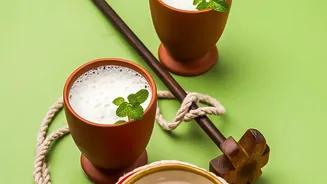
One of the most powerful drivers of this change is a collective move towards healthier living. Indian consumers are more aware than ever of the health implications of high sugar content and artificial ingredients found in many sodas. Traditional drinks, in contrast, are often made with natural ingredients like herbs, spices, fruits, and yoghurt, which are not only perceived as healthier but are also associated with functional benefits rooted in Ayurveda and home remedies. A glass of aam panna is seen as a guard against summer heat, while buttermilk and lassi are known for their digestive properties. This growing health consciousness, which accelerated post-pandemic, has led many to swap empty calories for beverages that offer genuine nutritional value.
A Taste of Nostalgia and Cultural Pride
Beyond the health benefits, this trend is deeply emotional. For many Indians, these drinks are a taste of childhood, evoking memories of grandmothers preparing them by hand during summer holidays and family celebrations. They represent a connection to home and heritage that a global soda brand simply cannot replicate. This sentiment is amplified by the 'Vocal for Local' movement, which has instilled a renewed sense of pride in Indian-made products and traditions. Choosing a local beverage over an imported one has become a small but meaningful way for consumers to support domestic businesses and celebrate their cultural identity.
The Market Responds in Style
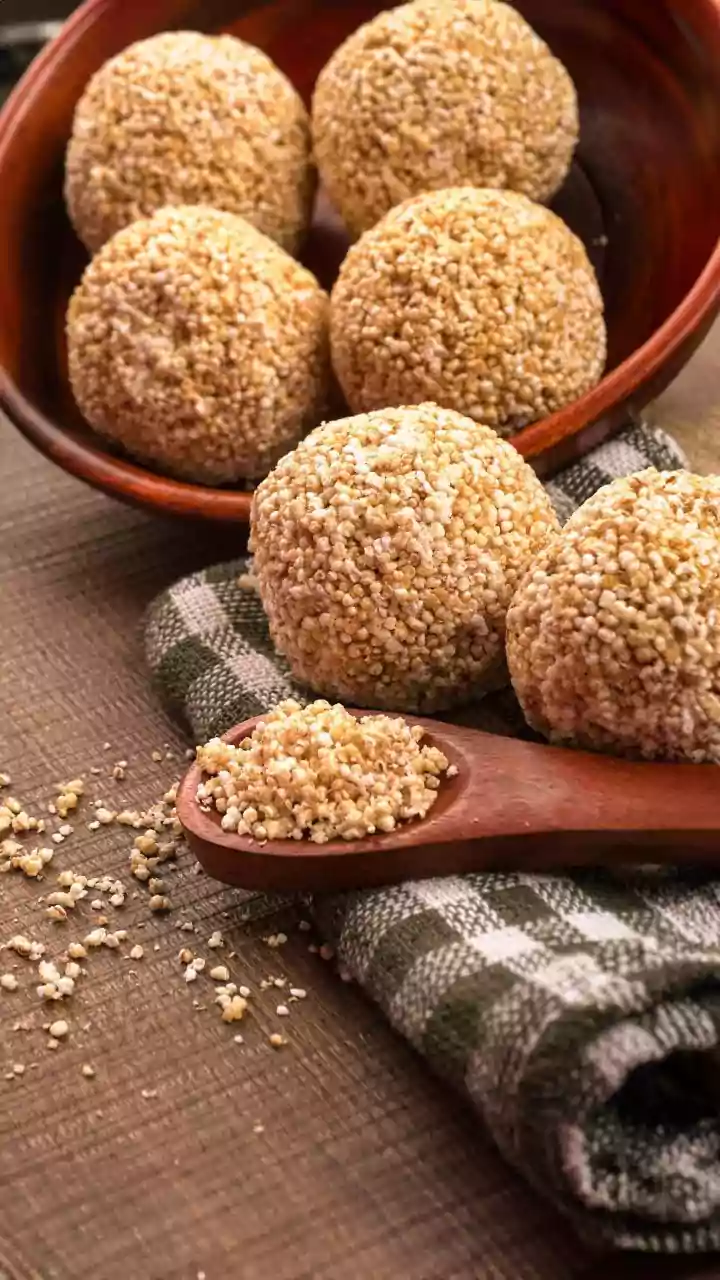
The beverage industry has been quick to respond. What started with brands like Paper Boat bottling nostalgia has now become a full-fledged market category. Dozens of startups and regional players have emerged, offering hygienic, wellpackaged, and convenient readyto drink (RTD) versions of everything from sattu and kokum sharbat to nimbu pani. These brands have disrupted the market with local flavours and strong distribution in smaller towns and cities. Even multinational giants like CocaCola and PepsiCo are now investing heavily in their own lines of ethnic beverages, launching cuminflavoured sodas and packaged aam panna to capture a piece of this rapidly growing segment.
More Than Just a Festive Fad
While this trend is most visible during the highspending festive season, its roots run much deeper, indicating a permanent evolution in the Indian palate. The convenience of quick commerce platforms means these drinks are now available within minutes, moving them from a special occasion treat to an everyday option. Data from 2026 shows massive growth in orders for drinks like jeera masala soda, buttermilk, and lassi, suggesting a yearround demand. This shift is not about completely abandoning sodas, but about the beverage landscape becoming far more diverse, with consumers making more conscious, culturallyaware, and healthdriven choices every day.