



An Astronomical Spectacle
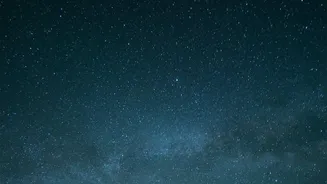
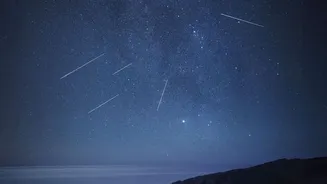
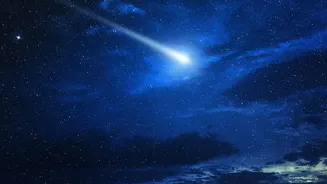
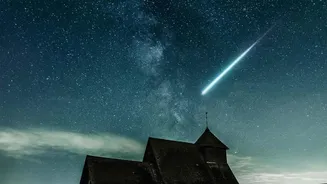
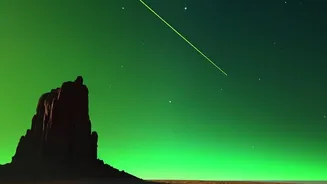
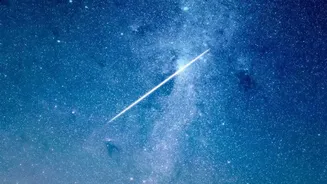
Tonight, August 12, marks the peak of the annual Perseid meteor shower. This beloved celestial event occurs as Earth passes through a trail of debris left by the comet Swift-Tuttle. As these tiny particles, some no bigger than a grain of sand, enter our
atmosphere at speeds of nearly 60 kilometres per second, they burn up, creating the brilliant streaks of light we call meteors or shooting stars. This year's event is particularly special as it coincides with a new moon, providing exceptionally dark skies and making even fainter meteors visible. Under clear, dark skies, observers could see anywhere from 50 to 100 meteors per hour.
The Himalayan Havens: Ladakh and Spiti Valley
For the most breathtaking views, altitude and isolation are key. Hanle in Ladakh, home to India's first Dark Sky Reserve, offers some of the clearest and darkest skies on the planet, with Bortle Class 1 conditions. The thin, dry air at high altitudes in both Ladakh (like the Nubra Valley and Pangong Tso) and Spiti Valley in Himachal Pradesh means minimal atmospheric distortion and very low light pollution. While getting here requires effort, the reward is an unparalleled view of the cosmos. The summer months are the best time to visit these regions, aligning perfectly with the Perseid peak, though the monsoon can be a challenge. These areas are celebrated destinations for serious astrophotographers and dedicated enthusiasts.
Desert Dreams: Rajasthan and Gujarat
The vast, open landscapes of India's western deserts provide an incredible natural theatre for stargazing. In Rajasthan, the areas around Jaisalmer, particularly the Sam Sand Dunes, offer expansive views of the night sky away from city lights. Similarly, the Great Rann of Kutch in Gujarat, a massive salt marsh, transforms into a celestial wonderland after dark. The dry desert climate in August often means fewer clouds to obstruct the view. Many desert camps in these regions cater to tourists with telescopes and guided sessions, making it a comfortable and accessible option for families and casual observers.
Southern and Central Sanctuaries
You don't have to travel to the Himalayas to escape city lights. In South India, the hills of Coorg in Karnataka and the tea plantations of Munnar in Kerala offer pockets of darkness ideal for meteor watching. Matheran and Lonavala, hill stations near Mumbai and Pune, are also popular getaways for amateur astronomers, though monsoon clouds can be a factor. In Central India, wildlife sanctuaries like Pench and Kanha National Parks in Madhya Pradesh offer surprisingly dark skies, combining the thrill of the jungle with the wonder of the cosmos. Always check local weather conditions before heading out, as the monsoon is active in many of these regions.
Tips for the Best Viewing Experience
You don't need a telescope or binoculars to enjoy a meteor shower; the naked eye is your best tool as it allows you to see a wide swath of the sky. Find a location away from city and street lights. Lie down on a blanket or reclining chair to avoid neck strain. Give your eyes at least 20-30 minutes to fully adapt to the darkness; this means avoiding looking at your bright phone screen. The best viewing time is typically from midnight until just before dawn, when the radiant—the point in the constellation Perseus from which the meteors appear to originate—is high in the sky. For those in India, the prime window is between 2:00 AM and 4:30 AM IST on the morning of August 13th. Be patient, get comfortable, and enjoy the show.