
Why Post-Monsoon is the Perfect Time
The period from September to November is arguably the best time for this journey. The monsoon (June to September) leaves the landscape incredibly lush and green, with rivers and waterfalls at their peak flow. Unlike the peak monsoon months, which can
bring travel disruptions, the post-monsoon window offers clearer skies and more reliable train schedules while retaining the spectacular scenery. You get the best of both worlds: dramatic, water-filled vistas without the persistent downpours blurring your view.
The Legendary Konkan Railway Route
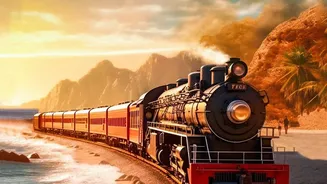
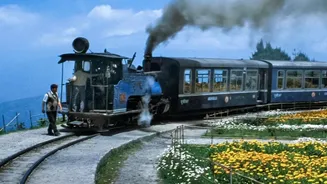
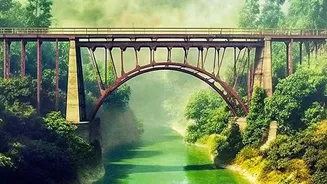
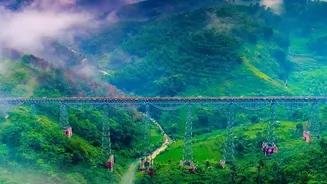
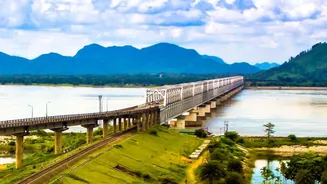
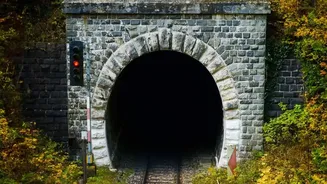
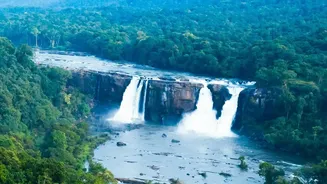
Stretching over 740 kilometres from near Mumbai to Mangaluru, the Konkan Railway is an engineering marvel. It carves its way through the rugged Western Ghats, crossing approximately 2,000 bridges and passing through 91 tunnels. The journey is a visual feast of deep valleys, dense forests, and glimpses of the Arabian Sea. For the most dramatic scenery, the stretch between Ratnagiri in Maharashtra and Madgaon in Goa is unparalleled, packed with viaducts and a continuous parade of seasonal waterfalls.
Choosing Your Train and Class
Several trains ply this route, but for a daytime journey with great views, options like the Mandovi Express or the Tejas Express are popular choices. To catch the best views of Dudhsagar Falls, which lies on a branch line, trains like the Vasco–Londa Passenger, Goa Express, or Amaravati Express are excellent as they pass directly by the falls. For a true budget experience, a non-AC Sleeper (SL) or Second Sitting (2S) coach offers the most affordable fares and the advantage of open windows for immersive, unfiltered views and photography. While AC Chair Car (CC) provides comfort from the humidity, the sealed windows can sometimes obstruct the experience. If your budget allows, the Vistadome coach, with its glass roof and large windows, offers panoramic views, but tickets are significantly more expensive and should be booked well in advance.
The Star Attraction: Dudhsagar Falls
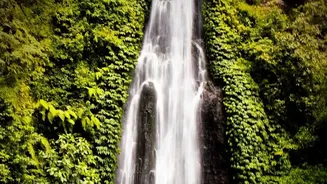
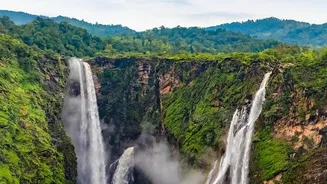
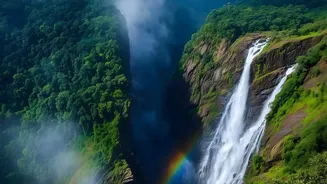
The 'Sea of Milk', as its name translates, is a four-tiered waterfall that roars to life during and after the monsoon. The most iconic view is from the train as it crosses a bridge directly in front of the cascade. The line between Castle Rock and Kulem stations offers this breathtaking spectacle. Most express trains slow down here, giving passengers a few precious moments to take in the powerful sight. For the best vantage point, try to secure a seat on the right side of the train when travelling south towards Goa, and on the left side when travelling north. While trains don't stop at the falls, you can get off at nearby Kulem or Castle Rock stations to arrange a separate jeep safari trip to the base of the falls.
Your Budget-Friendly Game Plan
True budget travel on Indian Railways requires some planning. The single most effective way to save money is to book your tickets as far in advance as possible, as reservations open up to 60 days ahead on the IRCTC website or app. Last-minute bookings, especially through the Tatkal quota, are significantly more expensive. Packing your own food and water is another great way to cut costs, though station vendors offer affordable snacks like vada pav. Travelling on weekdays or during the shoulder season just after the peak monsoon can also result in lower demand and better ticket availability in cheaper classes.
Essential Tips for the Journey
To make the most of your trip, ensure you book a window seat. For southbound journeys from Mumbai towards Goa, the right-hand side generally offers better views of valleys and the sea. Keep a portable power bank handy to keep your phone charged for photos, as charging points can be competitive. Since the train passes through numerous tunnels, network connectivity will be patchy, so download any maps or entertainment beforehand. Finally, embrace the journey itself. The Konkan Railway is not just about getting from one point to another; it's about witnessing one of the most beautiful landscapes in India unfold right outside your window.