


The Sun's Hidden Temper
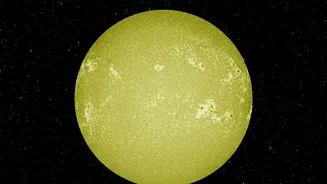
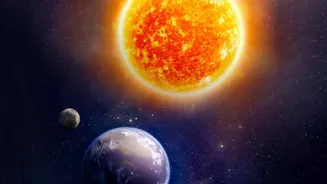
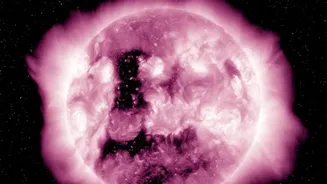
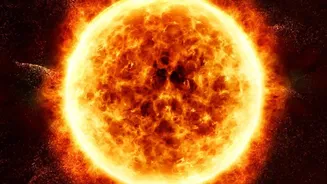
The Sun, our life-giving star, has a volatile side. It constantly emits a stream of charged particles known as the solar wind. Occasionally, intense magnetic activity on the Sun's surface leads to much more dramatic events: solar flares and coronal mass
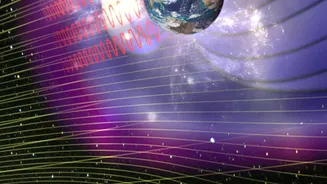
ejections (CMEs). A solar flare is a gigantic explosion on the surface, releasing a massive burst of radiation that reaches Earth in about eight minutes. A CME is a colossal eruption of plasma and magnetic field from the Sun's outer atmosphere, the corona. These clouds of energised particles travel slower, taking one to three days to cross the void of space. When Earth is in the path of a powerful CME, we experience a geomagnetic storm—what's commonly known as a solar storm.
Our Fragile Digital World
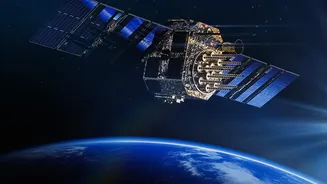
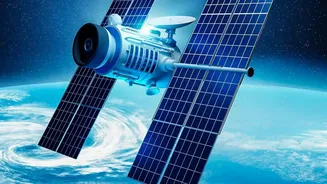
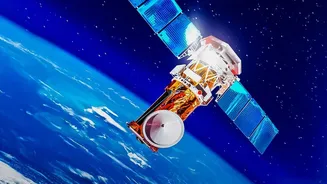
In a hyper-connected nation like India, the stakes are incredibly high. A severe solar storm could wreak havoc on the technologies we use every day. The primary victims are satellites. The energetic particles can damage sensitive electronics, disrupting GPS signals essential for navigation and timing, which in turn impacts everything from ride-hailing apps to financial transactions. Communication satellites are also vulnerable, potentially leading to widespread outages of internet and phone services. Down on the ground, geomagnetic storms can induce powerful electrical currents in long conductors like power grids, which can overload and damage transformers, causing regional blackouts. Radio communications, particularly high-frequency (HF) bands used by aviation, can be completely blacked out.
The Carrington Event: A Sobering Precedent
To understand the potential devastation, experts look back to 1859 and the Carrington Event, the most powerful geomagnetic storm in recorded history. This superstorm was so intense that it set telegraph stations on fire and caused equipment to send sparks, shocking operators. Auroras, normally confined to the polar regions, were seen as far south as Cuba and Honolulu. In the mid-19th century, the impact was limited to the nascent telegraph network. If a storm of that magnitude were to occur today, the consequences would be catastrophic. It is estimated that it would cause widespread power blackouts and disable communication and navigation networks, potentially causing trillions of dollars in economic damage and taking years to fully recover from.
India's Eye on the Sun: Aditya-L1
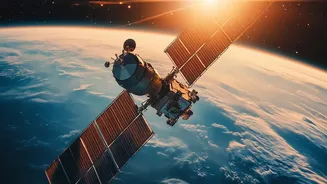
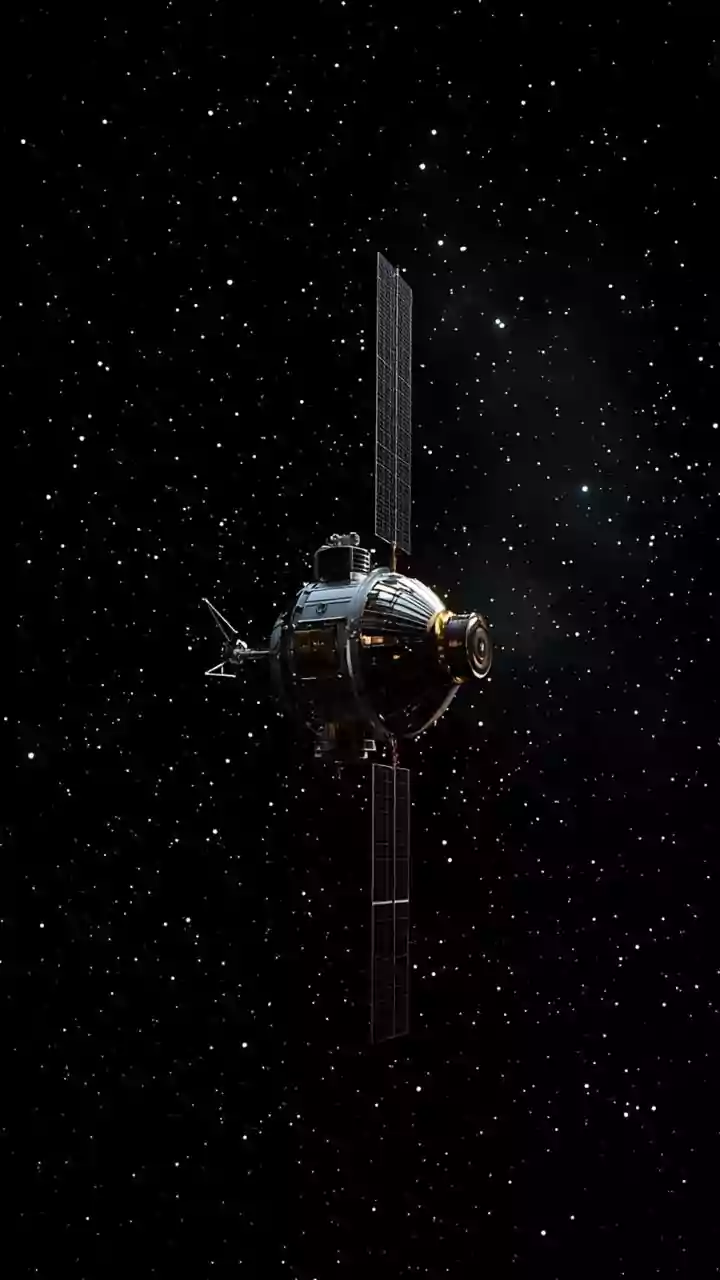
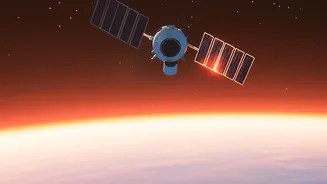
Fortunately, we are no longer flying blind. India has firmly established itself as a key player in space weather monitoring with its Aditya-L1 mission. Launched by the Indian Space Research Organisation (ISRO), Aditya-L1 is India's first dedicated solar observatory. It is strategically positioned at Lagrange Point 1 (L1), a point in space about 1.5 million kilometres from Earth where the gravitational pull of the Sun and Earth balance out. This unique vantage point allows the spacecraft an uninterrupted, continuous view of the Sun. Equipped with seven scientific payloads, Aditya-L1 observes solar flares, CMEs, and solar wind, providing crucial data to understand and forecast space weather events. This mission is not just a scientific endeavour; it's a critical piece of national infrastructure, providing an early-warning system to help protect India's vital technological assets.
A Global Network of Sentinels
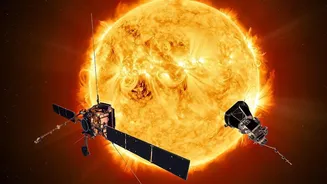
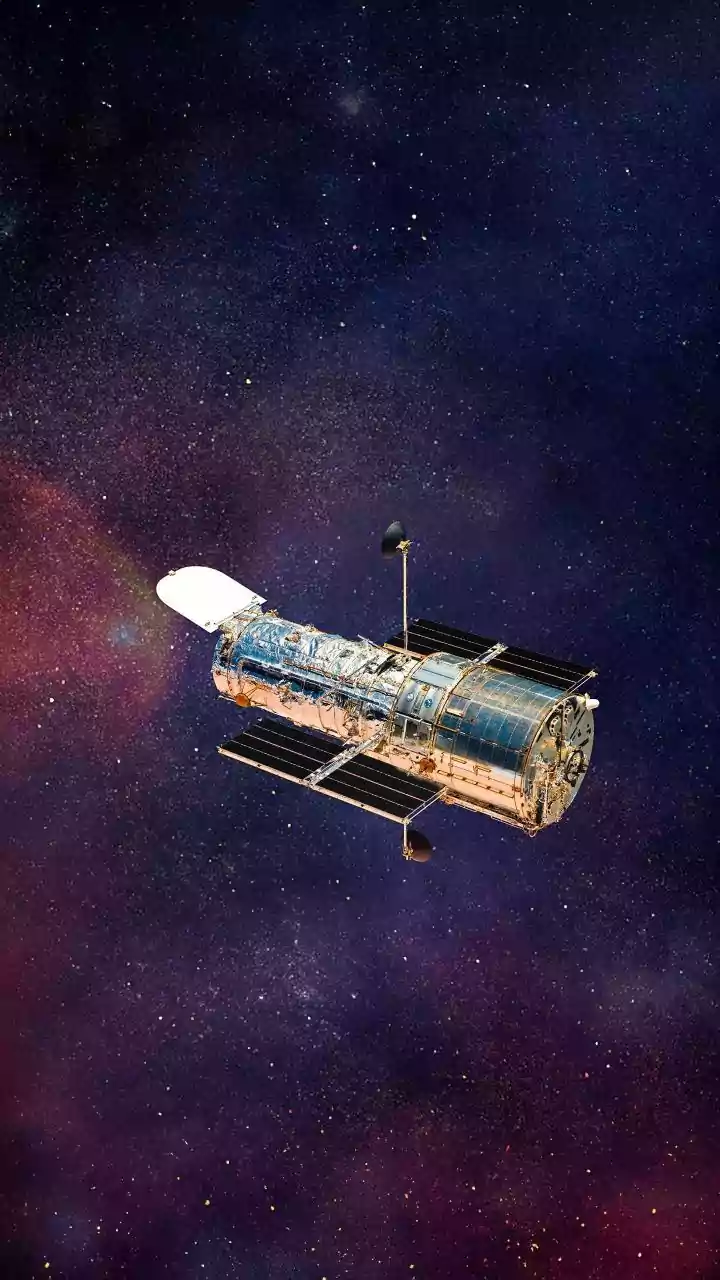
Protecting our planet from space weather is a global effort that requires international cooperation. India's Aditya-L1 is part of a growing international fleet of solar observatories. These include NASA's GOES satellites, which constantly monitor the sun, and the DSCOVR satellite, which also operates from the L1 point to measure solar wind. This collaboration is essential because space weather is a global phenomenon. By sharing data from missions like Aditya-L1, the ESA's Solar Orbiter, and ground-based telescopes, scientists around the world can build more accurate models and provide more timely warnings to governments, power grid operators, and satellite companies. This network of sentinels works around the clock to give us the best possible chance to prepare for and mitigate the effects of the Sun's next major outburst.