




There's nothing quite like the cosy embrace of a woollen sweater, but it's a frustrating experience when that beloved garment turns prickly. Often, the culprit isn't the wool itself, but how it's cared for. The good news is it's simple to fix.
Why Wool Gets Itchy
Understanding
the 'why' is the first step to preventing the itch. Wool fibres have microscopic scales on their surface. When exposed to high heat and aggressive agitation during a wash, these scales can interlock and bind together—a process called felting. This makes the fabric feel rough, stiff, and abrasive against the skin. Another common cause is residue left by harsh, standard detergents. Unlike gentle wool-specific soaps, regular detergents can strip the wool of its natural lanolin oil, which acts as a lubricant, leaving the fibres dry and brittle. True allergies to wool are very rare; the irritation is usually a mechanical issue caused by these coarse fibres poking at the skin.
Washing Wool the Right Way
Gentle washing is the most critical part of keeping wool soft. Always start by reading the care label. If it says 'Dry Clean Only', trust it. For washable wool, hand washing is the safest method. Fill a basin with lukewarm water—no hotter than 30°C—and add a small amount of a pH-neutral, wool-specific detergent before putting the garment in. Let the item soak for at least 10 minutes, giving it a gentle swirl, but avoid vigorous rubbing. If your washing machine has a certified 'Wool' or 'Delicate' cycle, you can use it for items with a 'machine washable' label. Turn the garment inside out, place it in a mesh laundry bag to reduce friction, and use a low spin speed, ideally under 600 RPM.
Choosing the Right Detergent
The soap you use matters immensely. Standard laundry detergents are too alkaline and contain enzymes designed to break down protein-based stains, but since wool is a protein fibre, these detergents damage it over time. Look for detergents specifically labelled for 'wool and delicates', like Woolite, Eucalan, or Soak. Many of these are pH-neutral and some even contain lanolin, which helps condition the fibres and restore some of their natural softness. In a pinch, even a gentle, pH-neutral shampoo can work. For an extra softening boost and to remove any soap residue, you can add about half a cup of white vinegar to the final rinse water, letting the garment soak for 15-20 minutes before rinsing again.
Drying Is Half the Battle
Never hang a wet woollen garment to dry. The weight of the water will stretch the fibres, causing the piece to lose its shape, especially at the shoulders. Likewise, avoid the high heat of a tumble dryer (unless the care label explicitly permits it with a Woolmark-certified machine) and direct sunlight, as heat is a primary cause of shrinkage and felting. The correct method is to gently squeeze out excess water—never wring or twist the fabric. Then, lay the garment on a clean, dry towel. Roll the towel up with the sweater inside and press gently to absorb more moisture. Finally, unroll it and lay it flat on a fresh towel or a mesh drying rack, reshaping it as needed. Allow it to air dry completely, which can take 24–48 hours.
Proper Storage for Lasting Softness
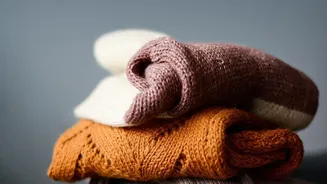
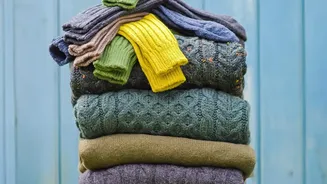
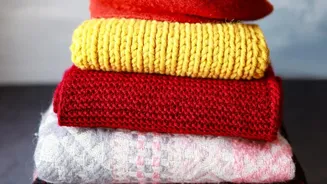
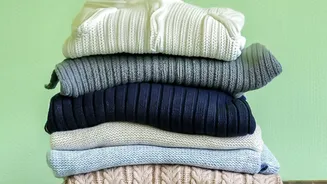
How you store your woollens is just as important as how you wash them. Before storing for the season, ensure every item is completely clean and dry, as residual body oils or food particles can attract pests like moths. The golden rule of storage is to fold, not hang. Hanging knitted woollens puts continuous strain on the fabric, leading to permanent stretching. Store your folded garments in a cool, dry, and dark place. Avoid airtight plastic containers, which can trap moisture and cause mildew; opt for breathable cotton storage bags instead. To deter moths, use natural repellents like cedar blocks or lavender sachets rather than traditional mothballs.