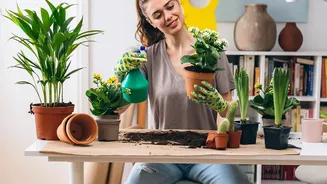

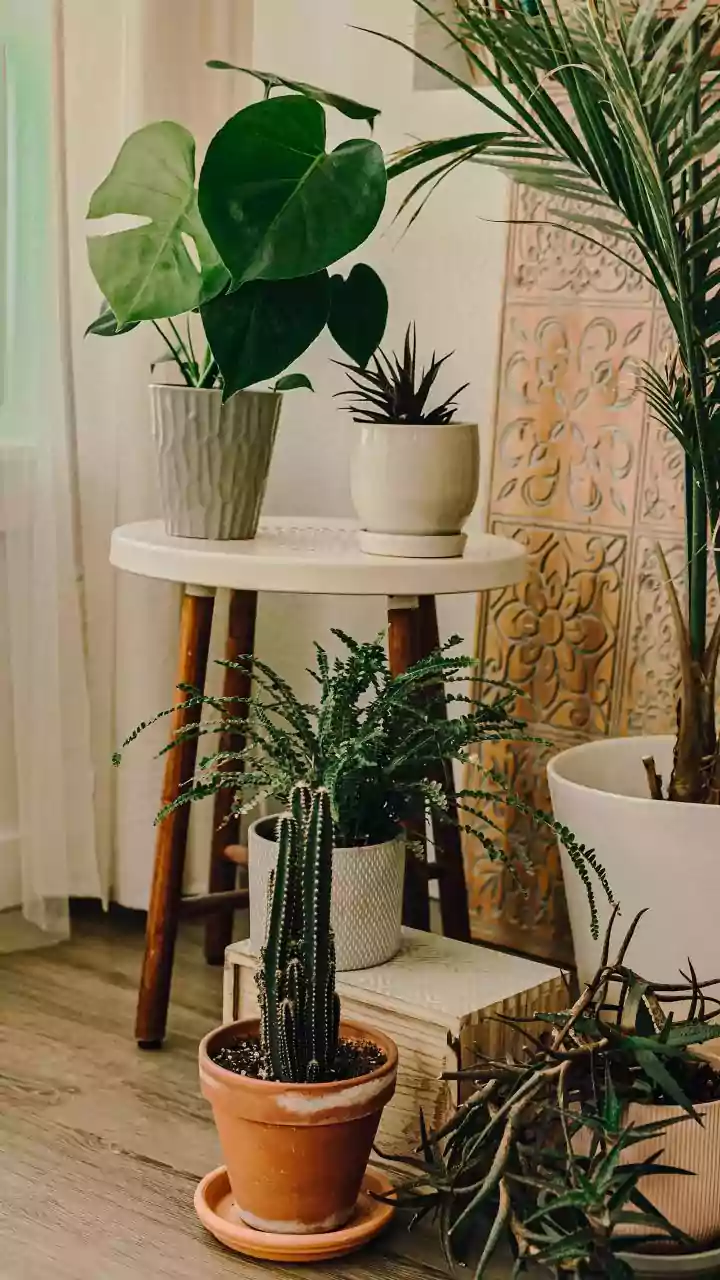



The Modern Craving for Green
In our fast-paced, screen-filled lives, especially within bustling Indian cities, a corner of green at home is more than just decor. It's a small sanctuary. Studies have shown that the mere presence of indoor plants can help reduce stress, improve your
mood, and even boost focus. They connect us to the natural world, offering a quiet, living presence that calms the mind. The simple act of caring for something and watching it grow provides a sense of accomplishment and mindfulness. It is this blend of aesthetic appeal and mental well-being that has turned houseplants into a modern-day necessity for many.
Why 'Low-Care' is the Secret to Success
The biggest hurdle for any new plant parent isn't a lack of skill, but a fear of failure. Choosing a high-maintenance plant is a recipe for discouragement. Low-maintenance varieties, however, are forgiving. They are resilient plants that tolerate a bit of neglect, from irregular watering to less-than-perfect light conditions. Starting with these 'can't-kill' options builds confidence. Success with one easy plant makes you feel capable and ready to try another, turning what could be a chore into a genuinely enjoyable hobby. It allows you to learn the rhythms of plant care without the constant anxiety of causing harm.
Your Starter Pack of Forgiving Friends
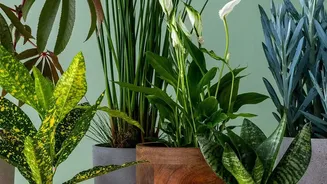
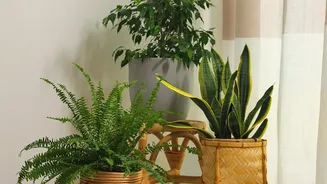
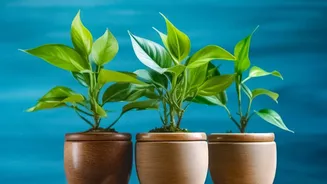
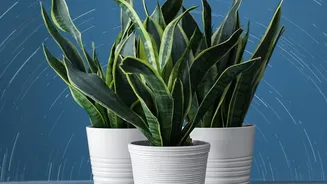
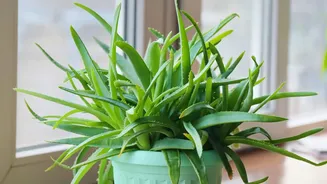
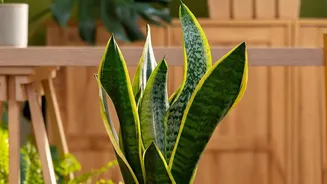
Ready to begin? These five plants are famously tough, widely available across India, and perfect for beginners looking to add some effortless green to their space.Snake Plant (Sansevieria trifasciata): Often called 'mother-in-law's tongue', this plant is the definition of resilient. Its upright, architectural leaves look stylish in any setting. It thrives in a wide range of light conditions, from bright indirect sun to lower-light corners of a room. Its biggest enemy is too much water; let the soil dry out completely between waterings, which might mean just once every 2-4 weeks.ZZ Plant (Zamioculcas zamiifolia): If you're busy or forgetful, the ZZ Plant is for you. With glossy, dark green leaves, it looks perpetually healthy even with minimal attention. It is extremely drought-tolerant thanks to its large underground rhizomes that store water. Like the snake plant, it prefers its soil to dry out completely and can survive in low light, making it ideal for offices and apartments.Money Plant (Epipremnum aureum): A staple in Indian households, this fast-growing vine is incredibly easy to care for and is believed to bring good fortune. It's versatile, thriving in both soil and a simple jar of water. Money plants prefer bright, indirect light but will tolerate lower light levels. Water them when the top inch or two of soil feels dry. Their trailing vines are perfect for shelves and hanging baskets.Peace Lily (Spathiphyllum): For those who want a flowering plant without the fuss, the Peace Lily is a great choice. It produces elegant white spathes and can tolerate lower light conditions than many other flowering plants. Its leaves will dramatically droop when it needs water, taking all the guesswork out of your watering schedule. Give it a drink, and it will perk right back up.Spider Plant (Chlorophytum comosum): This plant is cheerful and famously easy to propagate. It produces 'spiderettes', or baby plants, that dangle from the mother plant like spiders on a web. It prefers bright, indirect light and likes its soil to be kept lightly moist. It's a forgiving plant that adapts well to various home environments and is known for its air-purifying qualities.
Two Rules to Remember
Even the toughest plants have their limits. For beginners, most problems stem from two simple mistakes. First, overwatering. It's the most common cause of houseplant demise. Always check the soil before watering; if it's still damp, wait a few more days. A pot with a drainage hole is non-negotiable. Second, don't repot your new plant immediately. Let it acclimate to your home's environment for a few weeks first. Repotting too soon can cause unnecessary stress to a plant that is already adjusting to a new space.