






What's in That Spray Bottle?
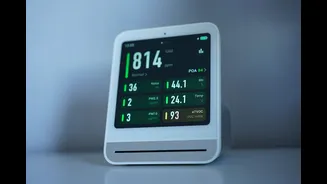
Many household cleaning sprays, including multi-surface cleaners, glass cleaners, and even some air fresheners, contain chemicals called volatile organic compounds, or VOCs. These chemicals easily turn into a gas at room temperature, mixing with the air you
breathe. While they help dissolve grease and grime, they are a major source of indoor air pollution, with concentrations indoors often being up to 10 times higher than outdoors. Fragrances, whether natural or synthetic, can also release hundreds of different chemicals into the air, some of which can be hazardous even at low levels. The reality is that a truly clean home doesn't have a strong chemical scent; that smell is often a sign of lingering airborne chemicals.
The Air You Breathe: The Risk of Inhalation
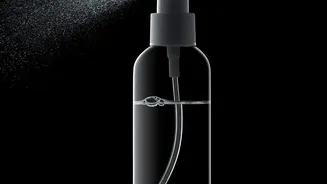
When you use a cleaning spray in an enclosed space without good airflow, those VOCs become trapped. Inhaling these fumes can lead to immediate symptoms like headaches, dizziness, nausea, and irritation of the eyes, nose, and throat. For individuals with respiratory conditions like asthma, exposure can be more serious, potentially triggering an asthma attack or worsening symptoms. Studies have shown that frequent use of cleaning sprays is linked to a higher risk of developing asthma and other respiratory illnesses over time. This is because the fine droplets from a spray can travel deep into the airways, causing irritation and inflammation. A recent study even found that inhaling certain disinfectant compounds, known as QACs, can be significantly more harmful to the lungs than ingesting them.
The Unseen Contamination on Your Food
Beyond the air, there is the risk of direct contamination. When you spray a cleaner near a fruit bowl, a cutting board with vegetables, or even just an open container, the aerosolized mist can travel and settle on those items. Some powerful disinfectants are not approved for use on food-contact surfaces precisely because they can leave behind harmful chemical residues. Ingesting these residues can lead to stomach upset, vomiting, or other health issues. Professional guidelines for kitchens stress that chemicals should always be stored and used away from food preparation areas to prevent this exact type of contamination. Even after you've wiped a counter, a chemical film can remain, which is why it's critical to ensure surfaces are thoroughly rinsed if they will come into contact with food.
Your Safe Cleaning Checklist
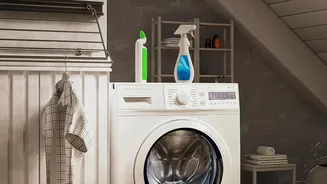
Adopting safer habits is simple and highly effective. The most important step is to ensure proper ventilation whenever you clean. Open windows and doors to allow fresh air to circulate. If you have an exhaust fan in your kitchen or bathroom, turn it on before you start cleaning and leave it running for a while afterward to help clear the air. Before you begin spraying, clear the area of any food, dishes, or cooking utensils. Move the fruit bowl to another room and cover any appliances or surfaces you aren't cleaning. Always follow the product's instructions, including wearing gloves if recommended. And never, under any circumstances, mix different cleaning products, especially bleach and ammonia, as this can create dangerous toxic gases.
Choosing Safer Alternatives
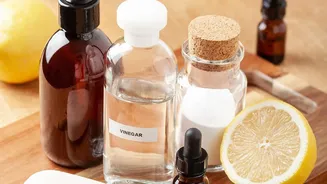
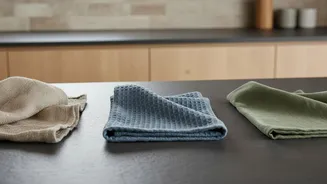
To reduce chemical exposure even further, consider your product choices. Products advertised as "green" or "natural" often emit fewer VOCs, with fragrance-free options being the best. Research shows that green, fragrance-free products can produce nearly eight times fewer VOC emissions than conventional cleaners. For many routine tasks, simple soap and water is effective at removing the majority of germs from surfaces. When you do need a stronger product, applying a liquid cleaner to a cloth first, rather than spraying it directly into the air, can significantly reduce the number of airborne particles and minimize respiratory irritation. This simple change in technique keeps the chemicals on the cloth and the surface, not in your lungs.