




Paolo Rossi (Italy, 1982)
The inaugural Golden Ball winner, Paolo Rossi, was the hero of Italy’s 1982 triumph. After a slow start to the tournament, he exploded in the latter stages, scoring a famous hat-trick against a brilliant Brazil side, both goals in the semi-final against Poland,
and the crucial opening goal in the final against West Germany. Rossi’s six goals also won him the Golden Boot, making him a national icon and cementing his comeback story in football lore.
Diego Maradona (Argentina, 1986)
Arguably the most dominant and memorable individual performance in World Cup history. Diego Maradona single-handedly dragged Argentina to glory in Mexico. He scored five goals and created five more, but his tournament is defined by the quarter-final against England, where he scored both the infamous 'Hand of God' goal and the 'Goal of the Century'. His blend of genius, controversy, and unstoppable talent made him the undisputed Golden Ball winner.
Salvatore Schillaci (Italy, 1990)
Salvatore 'Toto' Schillaci was the breakout star of Italia '90. An unknown substitute at the tournament's start, he came off the bench to score the winner in Italy's first game and never looked back. His wide-eyed, passionate celebrations became the defining image of the host nation's campaign. Schillaci finished as the tournament's top scorer with six goals, leading Italy to a third-place finish and capturing both the Golden Ball and Golden Boot.
Romário (Brazil, 1994)
Brazil ended a 24-year World Cup drought in the USA, and Romário was the spearhead. With his explosive pace and lethal finishing, he scored five crucial goals, including the winner in the semi-final against Sweden. Forming a legendary partnership with Bebeto, Romário's swagger and skill were instrumental, culminating in Brazil's fourth title and earning him the Golden Ball.
Ronaldo (Brazil, 1998)
Before the mysterious convulsive fit that overshadowed the final, Ronaldo Nazário was electric at France '98. 'O Fenômeno' was a force of nature, scoring four goals and providing three assists with a devastating combination of speed, power, and skill. Despite Brazil's loss to France in the final, his performances were so outstanding that he was awarded the Golden Ball as the tournament's best player.
Oliver Kahn (Germany, 2002)
Oliver Kahn is the only goalkeeper in history to win the Golden Ball. The German captain was a titan in goal, leading a largely unfancied German side all the way to the final. He kept five clean sheets, conceding only one goal before the final. Although an uncharacteristic error in the final against Brazil proved costly, his heroic performances throughout the tournament were recognized with the award.
Zinedine Zidane (France, 2006)
Zinedine Zidane's 2006 tournament was a tale of genius and controversy. Coming out of retirement, he majestically guided France to the final, with masterful displays against Spain and Brazil. His tournament ended in infamy with the headbutt on Marco Materazzi in the final, but the voting, largely completed before the final's conclusion, recognized his immense influence and skill, awarding him a dramatic Golden Ball.
Diego Forlán (Uruguay, 2010)
Diego Forlán was the heart and soul of Uruguay's surprising run to the semi-finals in South Africa. He scored five brilliant goals, including some of the tournament's most spectacular long-range strikes. Forlán's leadership and clutch performances, including a goal in the third-place playoff, saw him narrowly edge out his rivals to be named the winner of the Golden Ball.
Lionel Messi (Argentina, 2014)
In 2014, Lionel Messi dragged Argentina to the final, often producing moments of magic when his team needed them most. He scored four crucial goals in the group stage and delivered a vital assist in the Round of 16. Though Argentina fell short in the final against Germany, Messi was awarded his first Golden Ball for being the tournament's most decisive player, even if the award was a bittersweet consolation.
Luka Modrić (Croatia, 2018)
Luka Modrić was the tireless engine and creative genius behind Croatia's historic run to the 2018 final. The captain led by example, covering more ground than almost anyone while dictating the tempo of every game. His sublime skill, vision, and resilience, particularly through three consecutive extra-time matches, earned him the Golden Ball as the undisputed best player of the tournament.
Lionel Messi (Argentina, 2022)
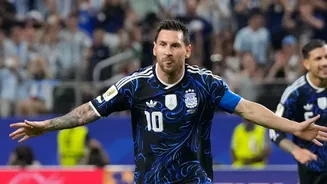
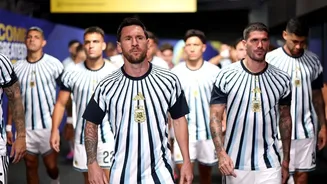
In Qatar, Lionel Messi finally achieved his destiny, leading Argentina to World Cup glory and winning a second Golden Ball, the first player in history to do so. He was sensational, scoring seven goals—including two in the epic final—and providing three assists. It was a crowning achievement that ended all debate, a captain's performance for the ages that delivered a fairytale ending to his World Cup story.