







Grooming: Your First Line of Defence
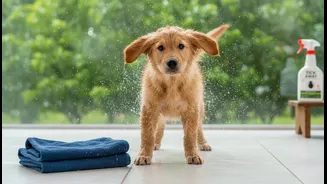
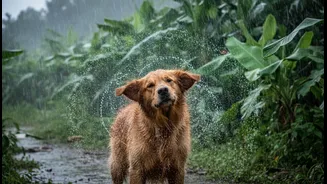
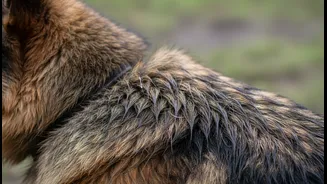
During the monsoon, grooming is less about aesthetics and more about health. The single most important habit is to dry your dog thoroughly after every walk. Trapped moisture, especially in the paws, underbelly, and skin folds, becomes a breeding ground
for bacteria and fungi. Daily brushing is also crucial to remove dirt and prevent matting, which can trap more moisture against the skin. While it may be tempting to bathe your dog frequently, over-bathing can strip the coat of its natural protective oils. Stick to a bathing schedule of once every two to three weeks, preferably with a vet-recommended antifungal or medicated shampoo. Consider keeping your dog's coat trimmed short during this season to allow for better air circulation and quicker drying.
Paw Care: Preventing Painful Infections
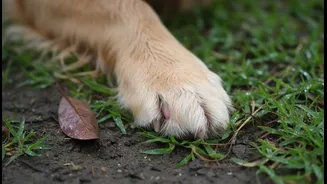
Your dog's paws are in constant contact with wet, muddy surfaces, making them highly susceptible to infections. After every single walk, take a few minutes to wash their paws with lukewarm water and wipe them completely dry, paying special attention to the area between the toes. This five-minute routine can prevent the majority of monsoon-related skin diseases. Look for signs of trouble like redness, swelling, or a yeasty smell. Trimming the fur between the paw pads can also help, as it gives water and mud less to cling to. For added protection on walks, you can use waterproof dog booties or apply a layer of paw balm to create a protective barrier.
Nutrition: Boosting Immunity from Within
A strong immune system is vital to help your dog fight off the various infections common during the monsoon. Since physical activity may decrease due to fewer and shorter walks, you might need to adjust your dog’s calorie intake to prevent weight gain. Focus on a high-protein, easily digestible diet. Simple, home-cooked meals like boiled chicken with rice or vegetables like pumpkin and carrots can be gentle on the stomach. Always provide access to fresh, clean drinking water, and never let your dog drink from puddles or stagnant water, which can be contaminated with harmful bacteria and parasites like leptospira.
Skin Checks: The Daily Vigil
High humidity makes dogs prone to a variety of skin issues, including bacterial infections (pyoderma), fungal overgrowths, and painful 'hot spots'. Make it a daily habit to check your dog's skin and coat for any abnormalities. Run your hands over their entire body, feeling for lumps, bumps, or sticky patches. Look for redness, rashes, excessive scratching, or hair loss. Common trouble spots include the ears, paws, armpits, and any skin folds, as these areas trap moisture easily. The monsoon is also the peak breeding season for ticks and fleas, so a thorough daily check for these parasites is non-negotiable. Early detection is key to preventing a minor issue from becoming a serious infection.
Exercise: Beating the Indoor Blues
With outdoor walks often cut short, your dog can become bored and restless. It's important to provide indoor physical and mental stimulation. Engage them in games like indoor fetch (with a soft toy), tug-of-war, or hide-and-seek. Mental exercise can be just as tiring as physical. Use food puzzle toys, snuffle mats, or have short training sessions to teach them new tricks. These activities prevent boredom-related behaviours like chewing and excessive barking and help burn off pent-up energy.