





The Mixing Method Investigation
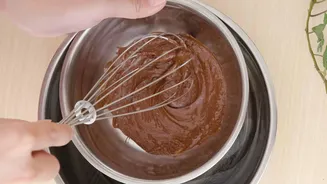
How you combine your ingredients is one of the most critical steps in baking. It’s a delicate balance; both over-mixing and under-mixing can lead to a dense final product. When you're making cakes, the goal is a tender crumb. Once flour is added to wet
ingredients, mixing should be brief and gentle. The more you mix, the more you develop gluten. While gluten is fantastic for creating chewy bread, it's the enemy of a light, fluffy cake, resulting in a tough, dense, and sometimes gummy texture. On the other hand, under-mixing is also a problem. The initial stage of creaming butter and sugar is crucial for incorporating air, which helps the cake rise. If this step is rushed, you won't create enough air pockets for a light texture. Similarly, failing to mix long enough after adding eggs or liquids can result in a split or curdled-looking batter that won't bake evenly, leading to a heavy cake. The key is to mix only until the last streaks of flour disappear, ensuring a homogenous batter without overworking it.
The Mystery of Moisture Content
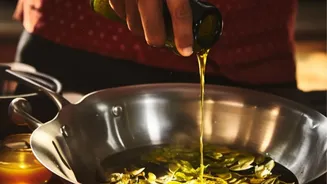
Baking is a science of ratios, and the balance between wet and dry ingredients is paramount. Too much or too little moisture can be a primary cause of density. An excess of liquid ingredients like milk, oil, or even water can weigh the batter down. This heavy batter can struggle to rise properly, and the structure may collapse under its own weight, resulting in a dense, or even soggy, final product. This is especially true if the moisture isn't balanced with enough structural ingredients like flour. Conversely, not having enough moisture is just as problematic. A dry batter leads to a dry, crumbly cake that can also be perceived as dense because it lacks the softness and tenderness associated with a well-moisturized crumb. The type of moisture also matters. Ingredients like buttermilk, sour cream, or yogurt not only add liquid but also fat and acidity, which contribute to a tender texture and can help activate leavening agents. Following a recipe’s measurements precisely is the best way to avoid these pitfalls.
The Leavening Agent Riddle
Leavening agents—primarily baking soda and baking powder—are what give your bakes their lift, creating the tiny air bubbles that result in a light and airy texture. If they fail, the result is inevitably dense. One of the most common issues is using expired leavening agents. Both baking soda and baking powder lose their potency over time, so it's essential to check the dates. Understanding the difference between them is also crucial. Baking soda is pure sodium bicarbonate and requires an acid in the recipe (like buttermilk, lemon juice, or yogurt) to react and produce carbon dioxide. If there's no acid, it won't work. Baking powder is a complete package, containing both baking soda and a powdered acid, which activates with moisture and heat. Using too little leavening will naturally result in a lack of rise. However, using too much isn't the solution; it can cause the cake to rise too quickly and then collapse on itself, creating a dense, sunken center. It can also leave behind a bitter, soapy taste.
Other Possible Suspects
While mixing, moisture, and leavening are the primary culprits, other factors can contribute to a dense bake. Oven temperature is a big one. If your oven is too hot, the outside of the cake can set before the leavening agents have had a chance to do their work, leading to a dense interior with a cracked top. If it's too cool, the cake may not get the burst of heat it needs to rise properly and could collapse. Using an oven thermometer can ensure accuracy. The wrong pan size can also be an issue. A pan that is small can cause the batter to overflow or bake unevenly, while a pan that's too large can result in a thin, over-baked, and dry cake. Finally, simple things like using ingredients that are not at room temperature (when specified) can prevent the batter from emulsifying correctly, affecting the final texture.