




Hiking: The Deliberate Path to Stability
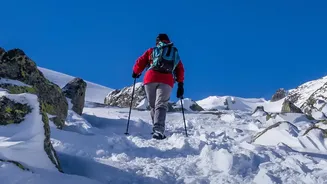
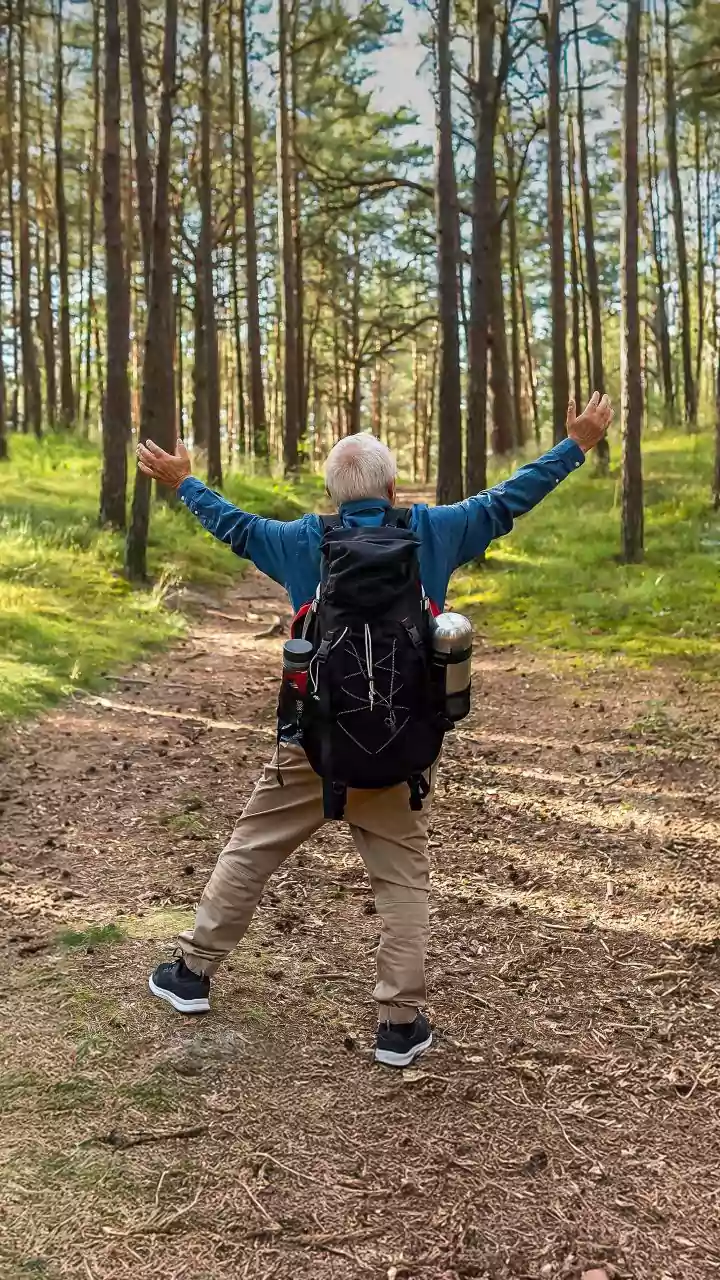
Hiking is a masterclass in what experts call proprioception—your body's innate sense of its position in space. Every step on an uneven trail, whether navigating rocks, roots, or a slippery patch of mud, forces your brain and body to make constant, subtle
adjustments. This isn't about split-second reflexes, but rather a sustained, deliberate form of coordination. Your ankles, knees, and core muscles engage to maintain balance over varied terrain, strengthening the neural pathways that support stability. Think of it as proactive coordination: your mind is constantly scanning the path ahead, anticipating the next foot placement and preparing your body to react accordingly. This builds a robust foundation of balance and endurance-based coordination, improving your body's ability to remain stable during sustained effort.
Skateboarding: A Masterclass in Rapid Response
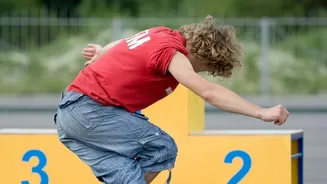
If hiking is a steady rhythm, skateboarding is a series of explosive, reactive moments. The sport demands an entirely different type of mental and physical skill set. Balancing on a moving board requires lightning-fast communication between your brain and muscles. Skaters must process information in milliseconds, making quick-twitch adjustments to shift their weight, dodge an obstacle, or land a trick. This is reactive coordination in its purest form. Instead of anticipating a stable path, a skateboarder is constantly responding to an unstable surface and a dynamic environment. This intense, fast-paced activity trains the brain to manage fear, make rapid decisions, and execute complex motor sequences under pressure, significantly sharpening reaction time.
Proactive vs. Reactive Neurological Training
The core difference between the two activities lies in how they train your nervous system. Hiking cultivates proactive control. It's a low-and-slow process of building awareness and making calculated adjustments to prevent a loss of balance. It strengthens the brain's ability to plan and execute movements over longer durations. Spending time in nature while hiking has also been shown to reduce mental fatigue and boost cognitive functions like memory and creative problem-solving. Skateboarding, conversely, is a bootcamp for reactive control. It thrives on creating unexpected situations that force your body to respond automatically to prevent a fall. This type of training is highly effective at improving the speed and efficiency of your reflexes. Studies suggest that this constant problem-solving and recruitment of fast-twitch muscle fibers can enhance brain plasticity and build mental resilience.
Which One Is Right for You?
Neither activity is inherently 'better' than the other; they simply train different systems. Hiking builds foundational stability, endurance, and a mindful connection to your body's movement through space. It's an excellent choice for improving overall balance in a controlled, low-impact way while also reaping the mental health benefits of being in nature. Skateboarding offers a high-intensity workout that dramatically enhances agility, reflexes, and the ability to perform under pressure. It's ideal for those who want to challenge their reaction time and develop dynamic, split second coordination. The choice depends on your personal fitness goals. Do you want to build steady, reliable balance for everyday life, or do you want to hone your ability to react instantly to the unexpected?