




From Handshakes to High-Tech Missions
The foundation of the India-US space relationship was laid decades ago. As early as 1962, the two nations collaborated on rocket launches, and in the 1970s, they worked together on the Satellite Instructional Television Experiment (SITE), which beamed
educational content to remote Indian villages. This early cooperation set the stage for more advanced partnerships. In recent years, this has evolved from ISRO launching US satellites to comprehensive joint projects. A key mechanism for this has been the U.S.-India Civil Space Joint Working Group (CSJWG), established in 2005 to steer bilateral goals. This long history of trust and shared success has been critical in enabling the more complex collaborations we see taking shape today.
Artemis Accords and a Shared Lunar Future
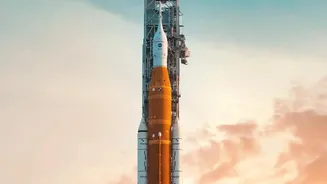
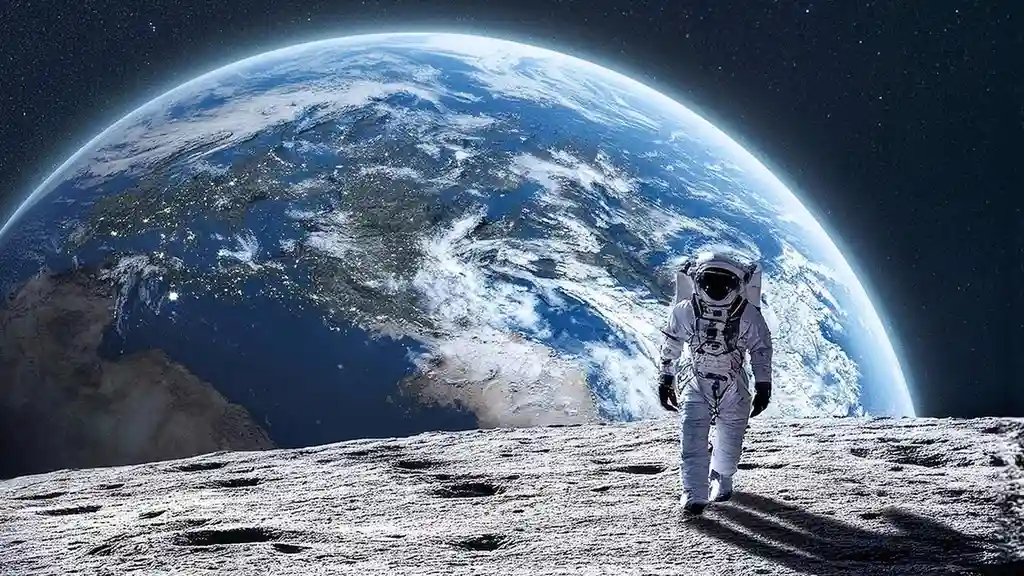
A pivotal moment arrived in June 2023 when India became the 27th signatory to the Artemis Accords. These US-led principles outline a common framework for the peaceful and sustainable exploration of the Moon and beyond. By signing, India aligned itself with a major global coalition for space governance, signaling a strategic shift towards collaborative engagement. This move has opened the door for unprecedented cooperation. In August 2026, NASA formally invited ISRO to participate in its Moon Base program, an ambitious initiative to establish a permanent human presence near the lunar south pole. This invitation is not just symbolic; it recognizes India’s proven capabilities, especially after the historic success of its Chandrayaan-3 mission, which made it the first country to land near the south pole.
NISAR: An Eye on a Changing Planet
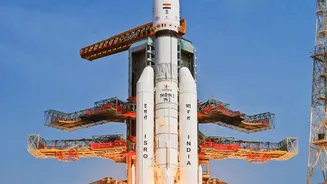
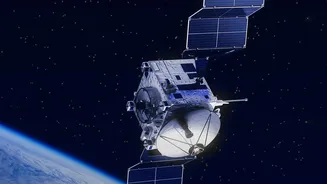
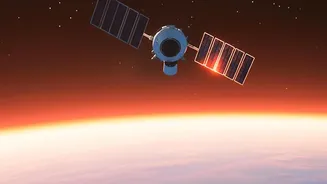
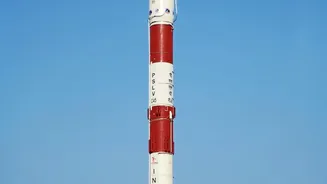
The most tangible symbol of this new phase is the NASA-ISRO Synthetic Aperture Radar (NISAR) mission. Launched in July 2025, it is the first satellite jointly developed by the two agencies and is considered the world's most expensive Earth-imaging satellite. NISAR is equipped with both L-band and S-band radar systems, allowing it to observe changes in Earth’s land and ice surfaces with remarkable precision. Every 12 days, it maps nearly the entire planet, providing crucial data on everything from glacial melt and volcanic activity to deforestation and agricultural health. The mission began releasing its first data to the public in early 2026, revolutionizing how scientists monitor climate change and manage natural disasters. This collaboration is a testament to the high level of technical trust and shared scientific goals between NASA and ISRO.
Fostering a Commercial Space Ecosystem
The new phase of collaboration extends beyond government agencies to the burgeoning private space sector in both countries. Initiatives like the U.S.-India initiative on Critical and Emerging Technology (iCET) are designed to expand strategic technology partnerships and foster commercial space ventures. This includes exploring a 'space innovation bridge' to connect startups from both nations working on satellite technology, space situational awareness, and launch services. Trade missions and industry forums are becoming more frequent, aiming to identify opportunities for mutually beneficial partnerships in areas like advanced spaceflight and satellite manufacturing. This commercial dimension is vital for creating a sustainable space economy and driving innovation outside of government-led missions.
The Strategic Orbit: Geopolitics and Space
Underpinning this enhanced space partnership is a strong geopolitical alignment. As space becomes an increasingly contested domain, the collaboration serves the mutual strategic interests of both democratic powers, particularly in the context of China’s rapidly advancing space program. The partnership is a key component of the India-U.S. Comprehensive Global Strategic Partnership, which was reaffirmed in a joint statement in February 2025. A 10-year defense framework agreement signed in 2025 explicitly names space as a key area for deepening military cooperation and interoperability. By working together on everything from a lunar base to establishing norms for responsible behavior in space, India and the United States are strengthening their alliance and promoting a shared vision for a secure and stable outer space environment.