
What Exactly Is a 'Clean Label'?
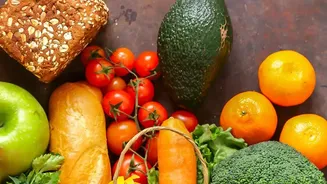
First things first: 'clean label' is not a legal or scientific term. You won't find a formal definition from the FSSAI. Instead, it’s a consumer-driven movement that refers to food made with simple, natural, and easily recognizable ingredients. Think
of it as the 'kitchen pantry' rule: if you can't pronounce an ingredient or wouldn't typically have it in your own kitchen, it probably isn't 'clean'. The core idea is to avoid artificial colours, flavours, preservatives, and synthetic chemicals. A clean label product has a short ingredient list that feels honest and transparent, building trust between the brand and the buyer.
The Driving Force Behind the Trend
So why is this happening now? The shift is powered by a perfect storm of factors. A major catalyst is the surge in health consciousness, significantly accelerated since the pandemic. Indian consumers are now more aware of the link between food, immunity, and overall wellbeing. This is especially true for urban millennials and Gen Z, who grew up with the internet and are more likely to research ingredients and question brand claims. There's also a growing distrust of complex ingredient lists that seem to hide what's really in the food. Consumers are demanding transparency, and brands that offer clear, simple labels are being rewarded with loyalty.
From Niche to Mainstream
What started in niche health food stores is now a mainstream expectation. The clean label trend is visible across various product categories. Beverages, including energy drinks and dairy drinks, are being reformulated with natural ingredients. The snacking aisle is another key battleground, where brands are launching products free from artificial additives. Even everyday staples and ready-to-eat meals are getting a makeover, with a focus on high-protein and preservative-free options. This trend is particularly strong in the premium and health food segments, where a simpler label is now seen as a sign of quality. Baby food is also a major driver, as parents are increasingly scrutinising what they feed their children.
Not Without Its Challenges
While consumers are demanding cleaner products, the switch isn't always easy for manufacturers. One of the biggest hurdles is maintaining shelf life and stability without artificial preservatives. Sourcing consistent, high-quality natural ingredients can be difficult and more expensive, which can drive up the final cost for the consumer. This leads to another risk: 'cleanwashing'. Similar to 'greenwashing', this is when brands use misleading terms to appear healthier than they are. Since 'clean label' isn't a regulated term, shoppers still need to be vigilant. For companies, the process of reformulating a product to meet clean label standards requires significant investment in research and development.
How to Spot a Genuinely Clean Product
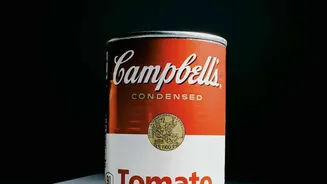
Navigating the grocery store can feel like a minefield, but there are a few simple tips to identify truly clean products. First, read the ingredient list, not just the claims on the front of the package. A shorter list is generally a good sign. Second, ask yourself if you recognize the ingredients as real food. Be wary of vague terms like 'natural flavours', which can hide a cocktail of chemicals. Finally, look for brands that are transparent about their sourcing and manufacturing processes. Some companies now use QR codes on their packaging to provide this information. Choosing clean label products is about opting for transparency and simplicity.