




The End of an Era, A New Business Model
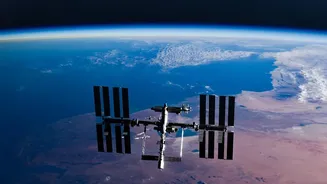
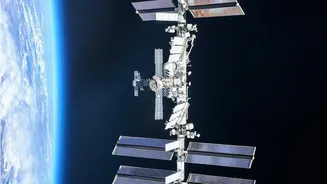
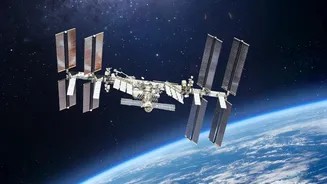
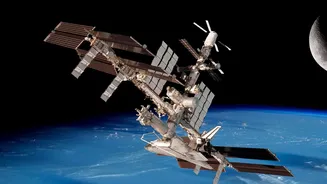
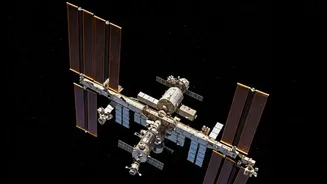
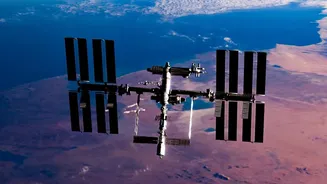
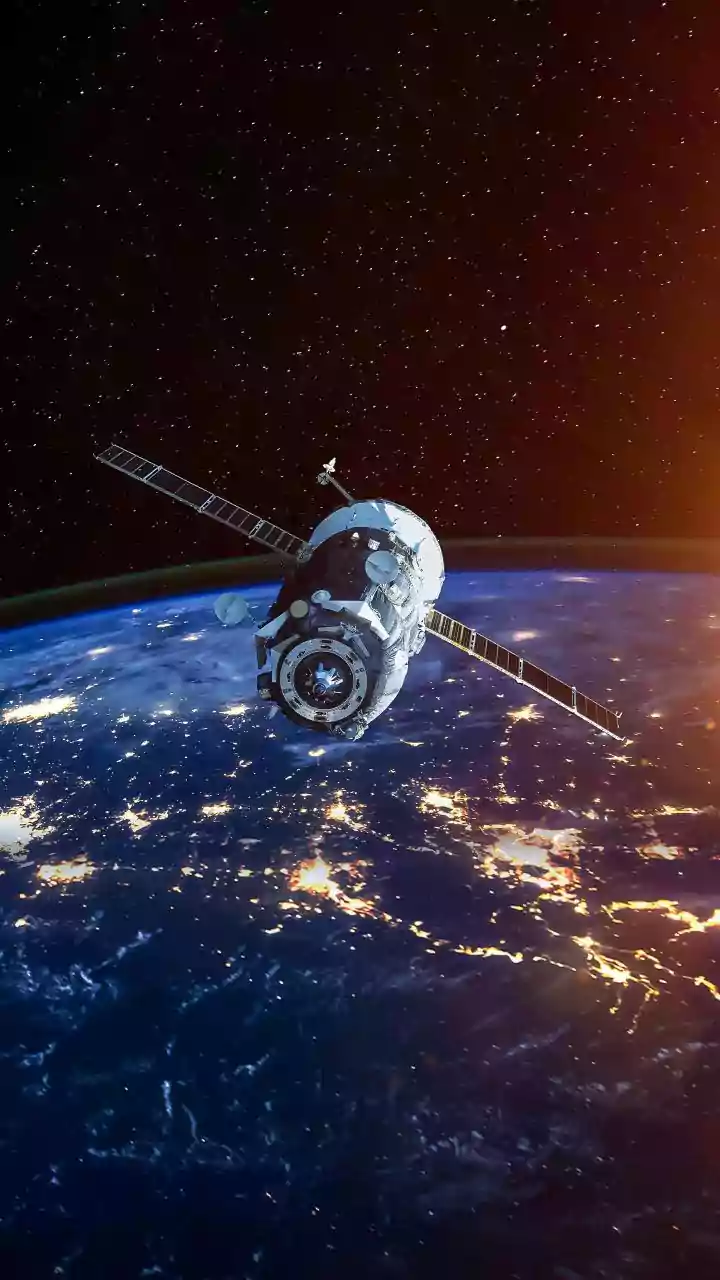
For over two decades, the ISS has been humanity's home in low Earth orbit (LEO), a football-field-sized laboratory hosting groundbreaking research. But the station is aging. Facing rising operational costs of $3-4 billion annually and increasing structural
fatigue, NASA plans to deorbit the iconic structure around 2030. Instead of building a government-owned replacement, NASA is turning to the private sector. Through its Commercial LEO Destinations (CLD) program, the agency is fostering the development of private space stations, aiming to become just one of many customers buying services in orbit. This strategic pivot is designed to save taxpayer money, allowing NASA to focus its resources on deep space exploration, like missions to the Moon and Mars, while ensuring the United States maintains a crucial presence in LEO.
The Contenders in the Commercial Space Race
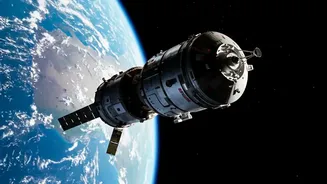
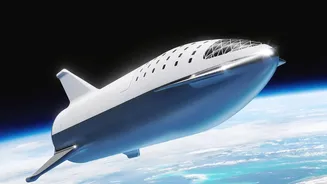
Several aerospace firms, backed by NASA funding and significant private investment, have stepped up to design and build these orbital successors. Axiom Space is developing the Axiom Station, which will begin as a series of modules attached to the ISS before detaching to fly independently. Another major project is Orbital Reef, a joint venture by Blue Origin and Sierra Space, envisioned as a "mixed-use business park" in space. It's designed to host a variety of clients, from national space agencies to commercial researchers and tourists. Also in the running is Starlab, a partnership between Voyager Space and Airbus, which aims to have its station operational before the ISS is decommissioned to prevent any gap in research capabilities. These companies are not just building habitats; they are creating the foundational infrastructure for a new orbital economy.
Fueling a New Economy in the Stars
The primary driver behind this commercial push is the creation of new markets in space. These private stations will be far more than just astronaut dormitories. They are being designed as versatile platforms for a host of revenue-generating activities. One of the most promising fields is in-space manufacturing. The microgravity environment allows for the creation of superior products that are difficult to make on Earth, such as high-purity fiber optic cables, perfect protein crystals for drug development, and 3D-printed human organs. The in-space manufacturing market is already valued in the billions and is projected to grow exponentially. Beyond manufacturing, these habitats will cater to space tourism, private astronaut missions for sovereign nations without their own space programs, and dedicated laboratories for hire, opening up orbital research to a wider array of companies and academic institutions.
Strategic Importance and the Future of LEO
Ensuring a continuous American presence in low Earth orbit is a key strategic goal. With China's Tiangong space station fully operational, the United States wants to avoid a scenario where its astronauts have no orbital destination after the ISS is gone. The commercial model is seen as the most sustainable way to maintain leadership and a foothold in this critical region of space. By fostering a competitive marketplace of multiple providers, NASA hopes to lower costs, drive innovation, and build a robust ecosystem where science and commerce can thrive side-by-side. These advanced habitats, with features like expandable modules and large windows, promise more volume and comfort than the ISS, and are being designed for easier maintenance to reduce operational overhead.