
More Than Just a Pretty Green Drink
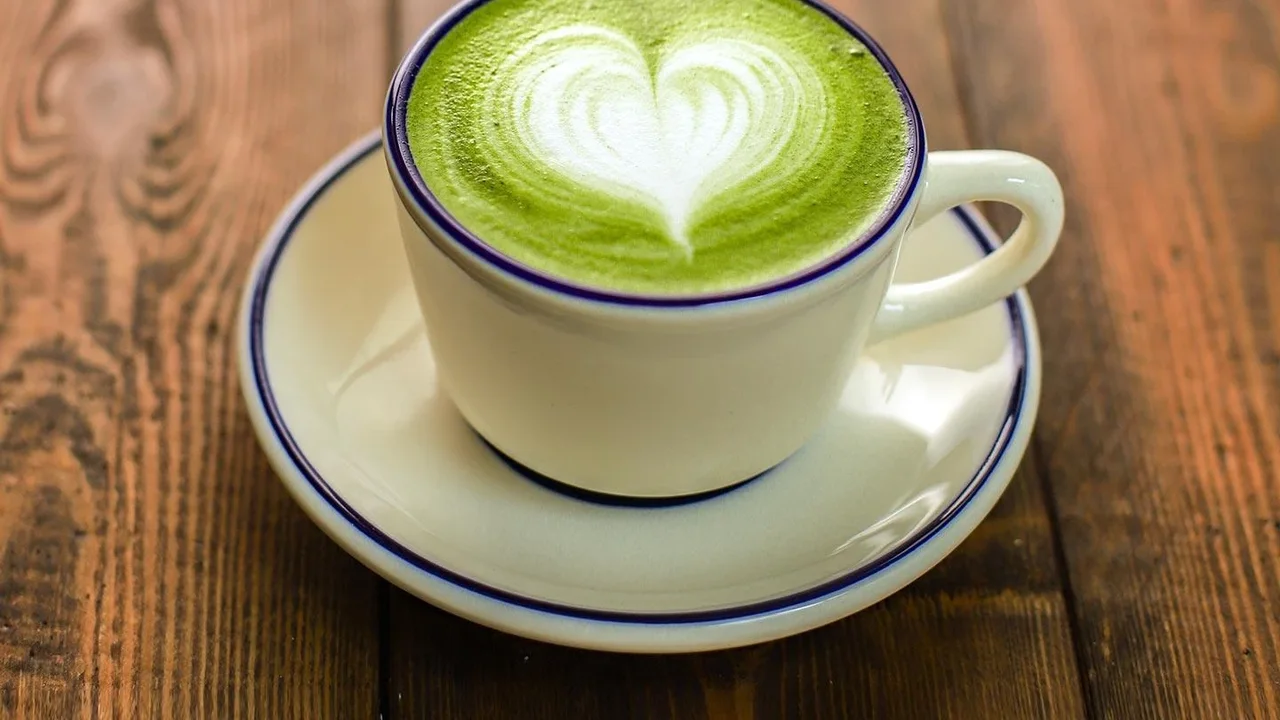
From creamy lattes to fluffy pancakes and even savory seasonings, matcha has cemented its place as a global phenomenon. Its striking green color makes it an instant standout on platforms like Instagram and TikTok, where aesthetics reign supreme. This
visual appeal is a huge part of its initial draw, fitting perfectly into the minimalist, wellness-focused content that dominates social media. But unlike many food trends that burn bright and fade fast, matcha's popularity continues to grow and evolve. It has moved beyond the café and into home kitchens, bakeries, and even fine dining, proving it has substance behind its style.
A History Steeped in Tradition
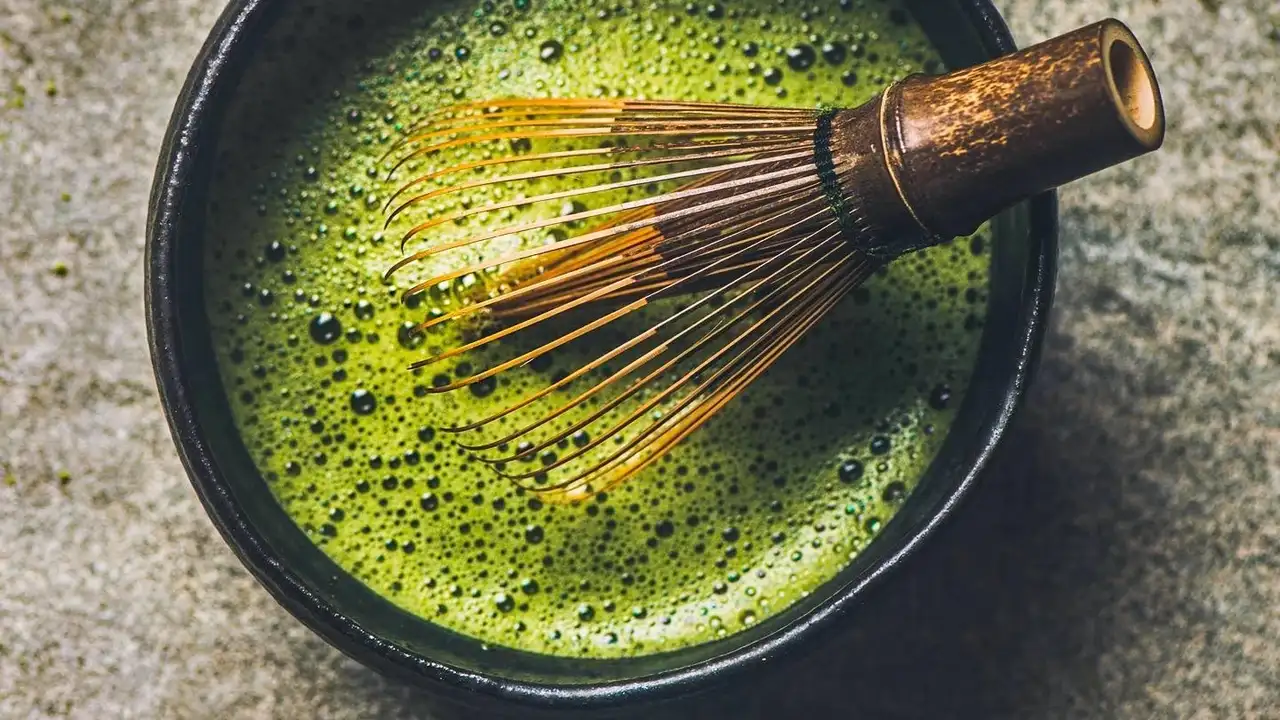
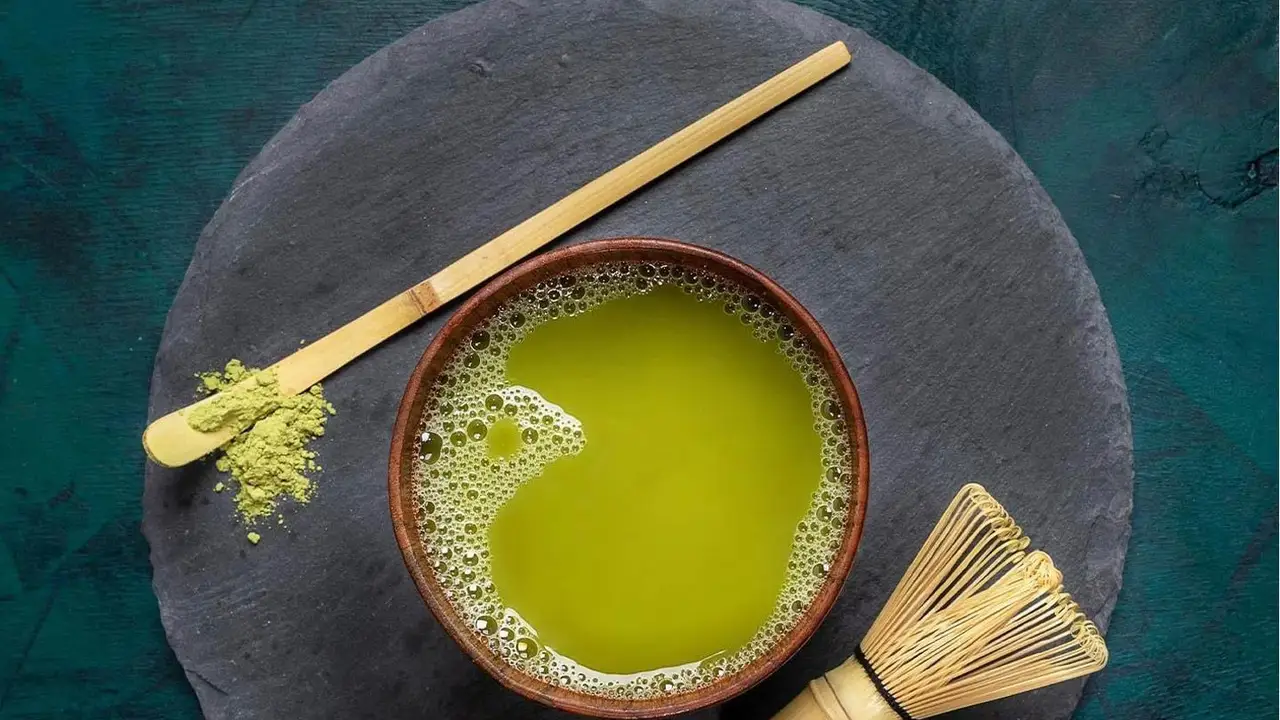
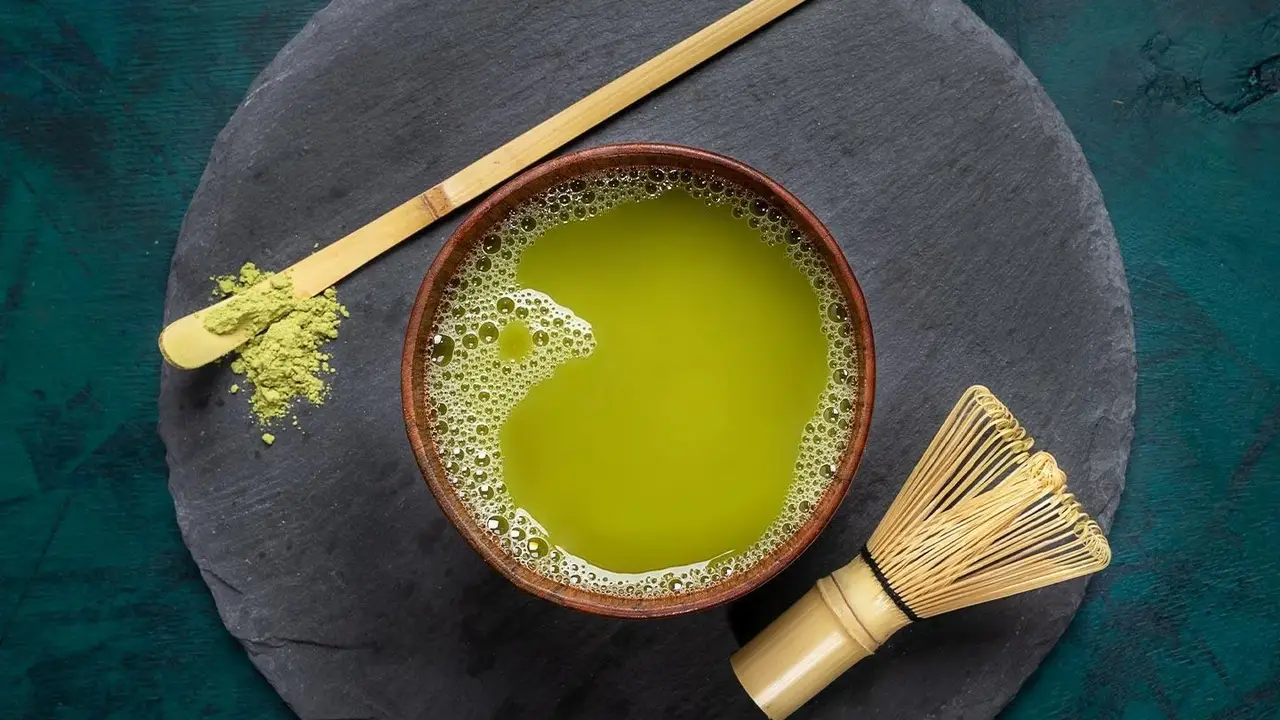
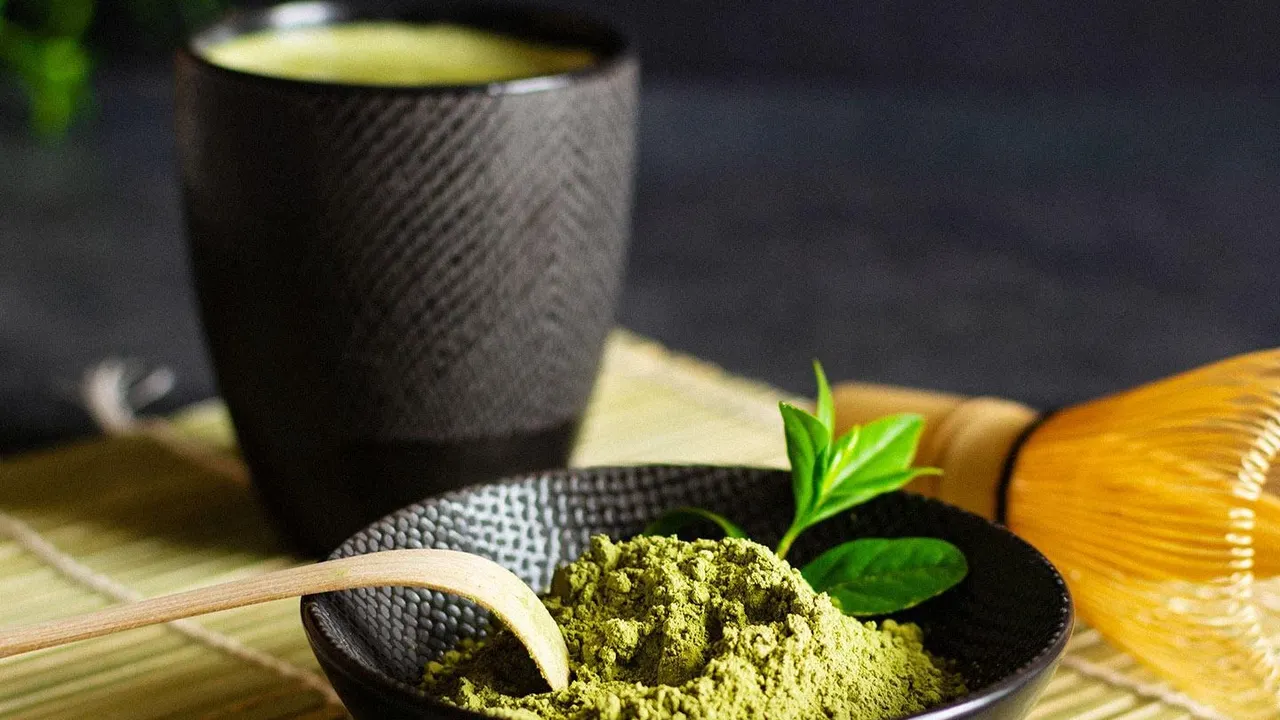
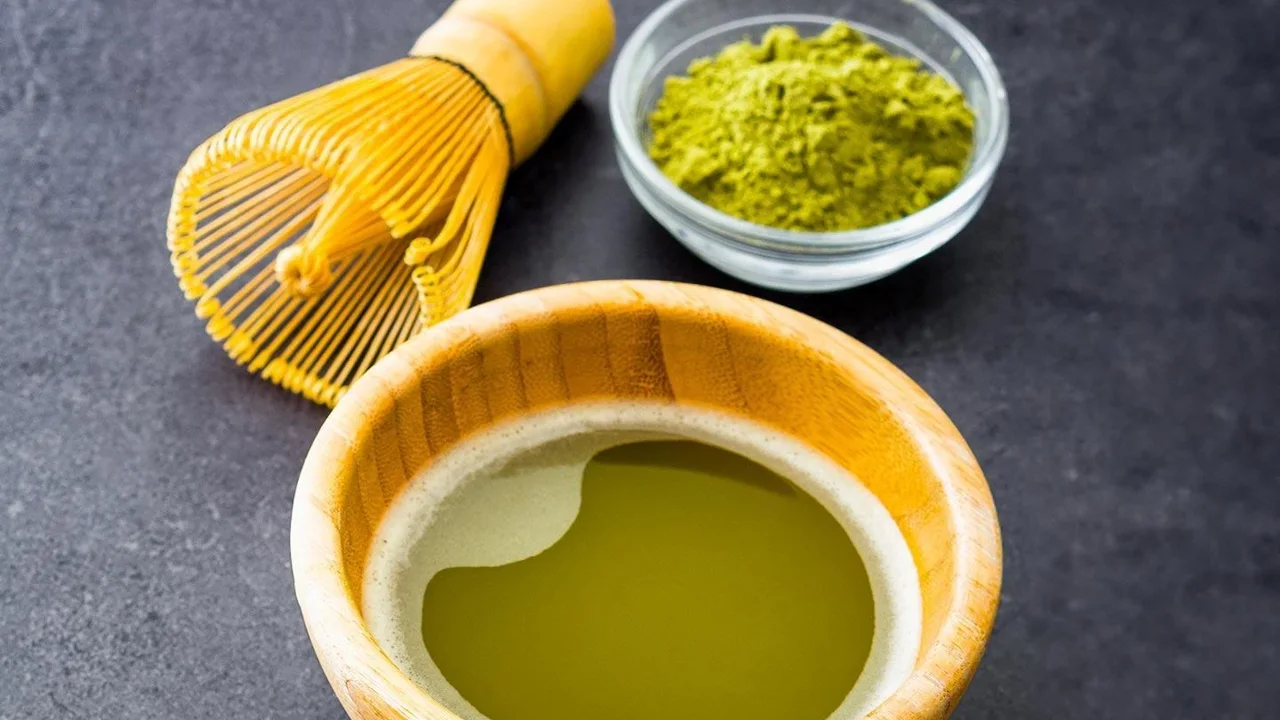
To understand matcha’s staying power, you have to look back centuries. Its origins trace to Tang Dynasty China, where tea leaves were ground into powder. This practice was introduced to Japan around the 12th century by Zen Buddhist monks. In Japan, the preparation and consumption of matcha became a cornerstone of the tea ceremony, a meditative and spiritual practice. This rich history gives matcha a sense of authenticity and ritual that many fleeting trends lack. While modern consumption is often quick and on-the-go, this deep cultural foundation provides a narrative of mindfulness and tradition that resonates with consumers seeking more than just a caffeine hit.
The Science of Its Allure
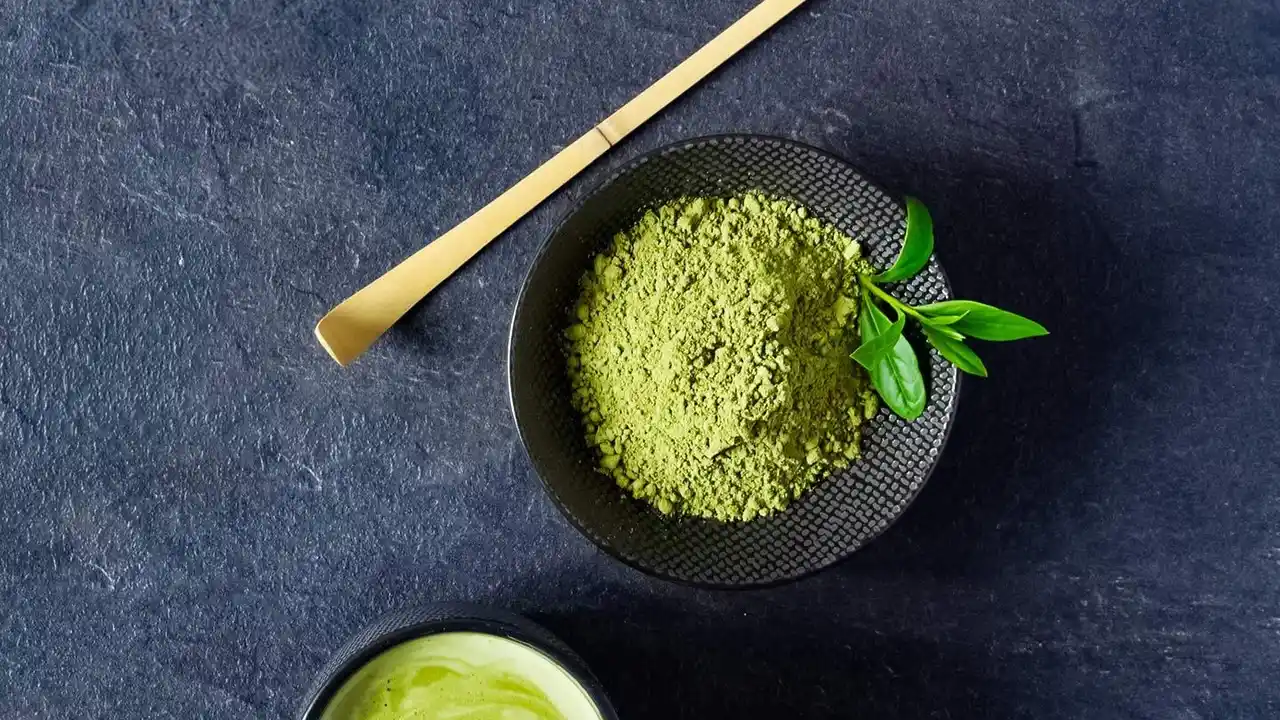
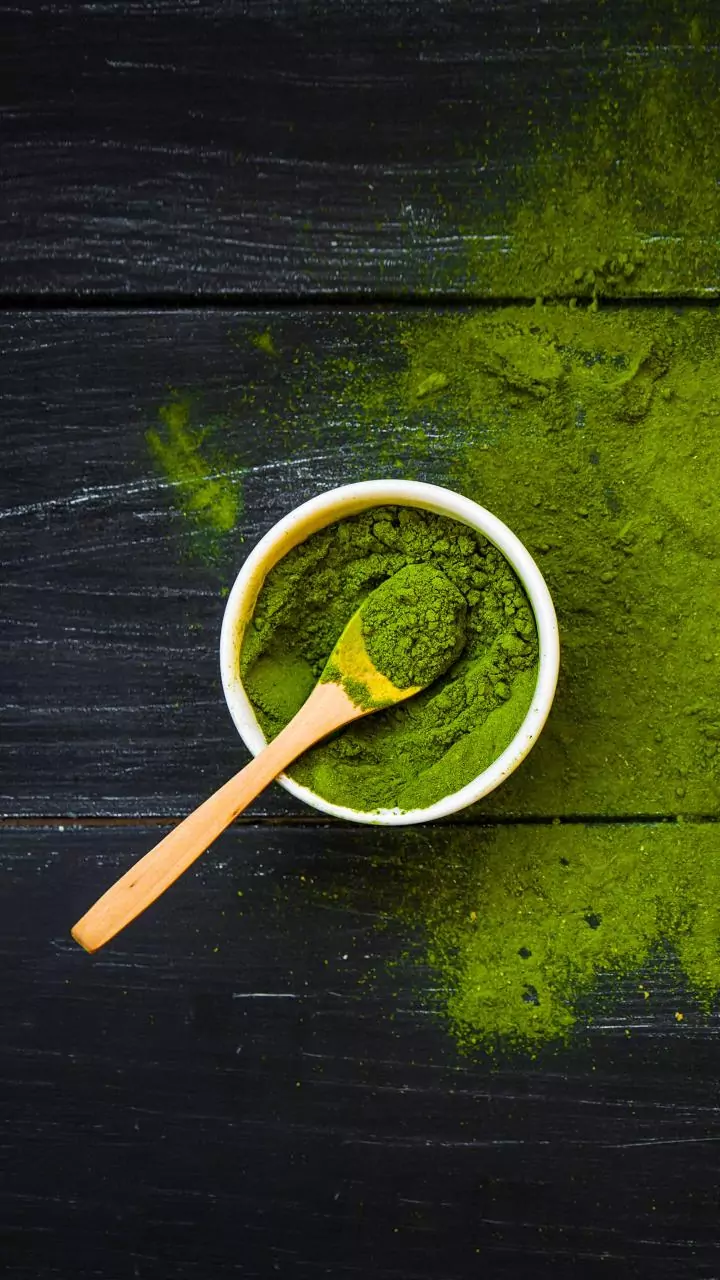
What truly sets matcha apart is what’s inside the powder. Because you consume the entire tea leaf, you get a concentrated dose of nutrients. It's packed with antioxidants, particularly EGCG, which is studied for its health benefits. But the secret to its unique effect is the combination of caffeine and an amino acid called L-theanine. While the caffeine provides a lift, L-theanine promotes a sense of calm and focus. This creates a state of “calm alertness” without the jitteriness or crash often associated with coffee, making it a popular choice for sustained energy. Its flavour is also uniquely complex, defined by a savory quality known as umami, which balances its natural sweetness and slight bitterness.
The Ultimate Social Media Ingredient
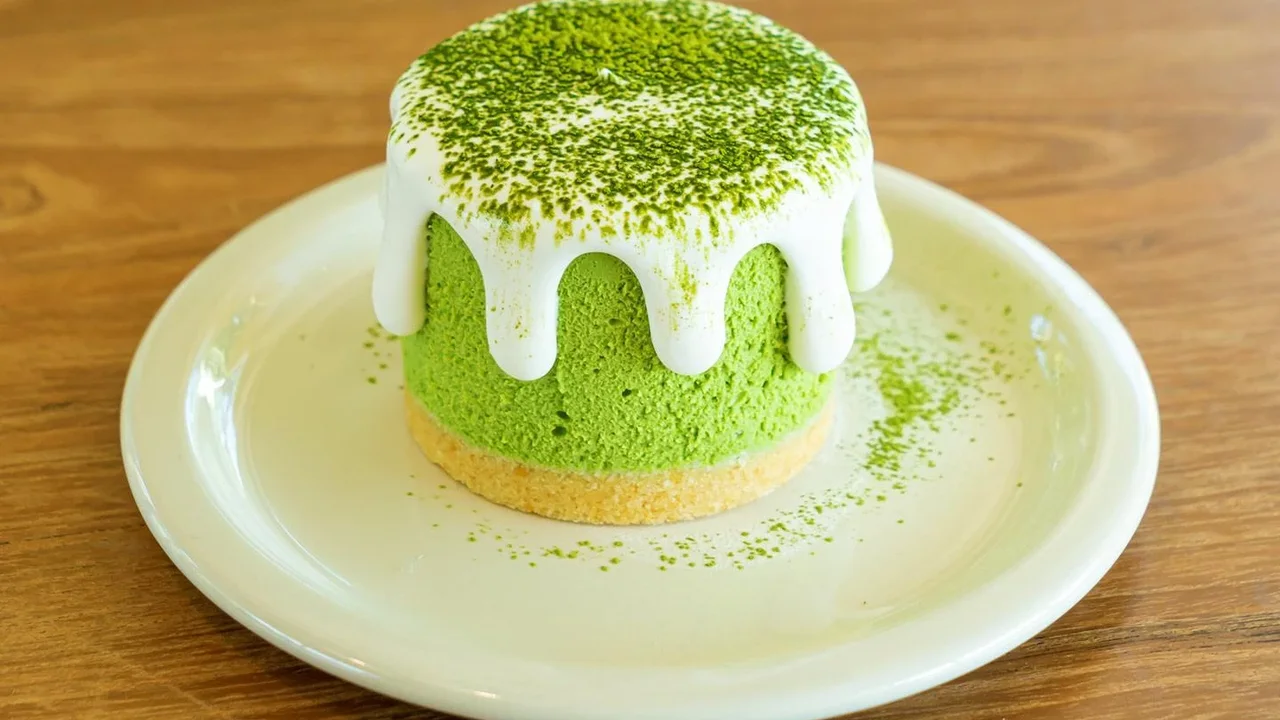
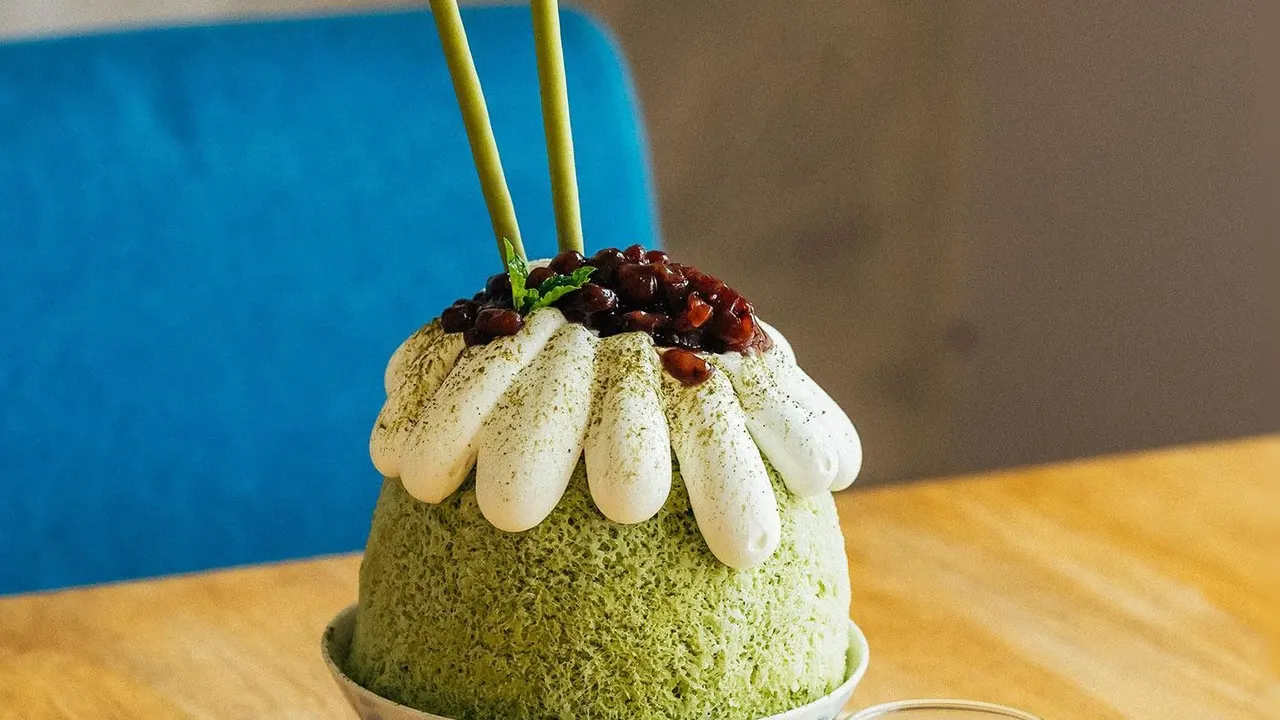
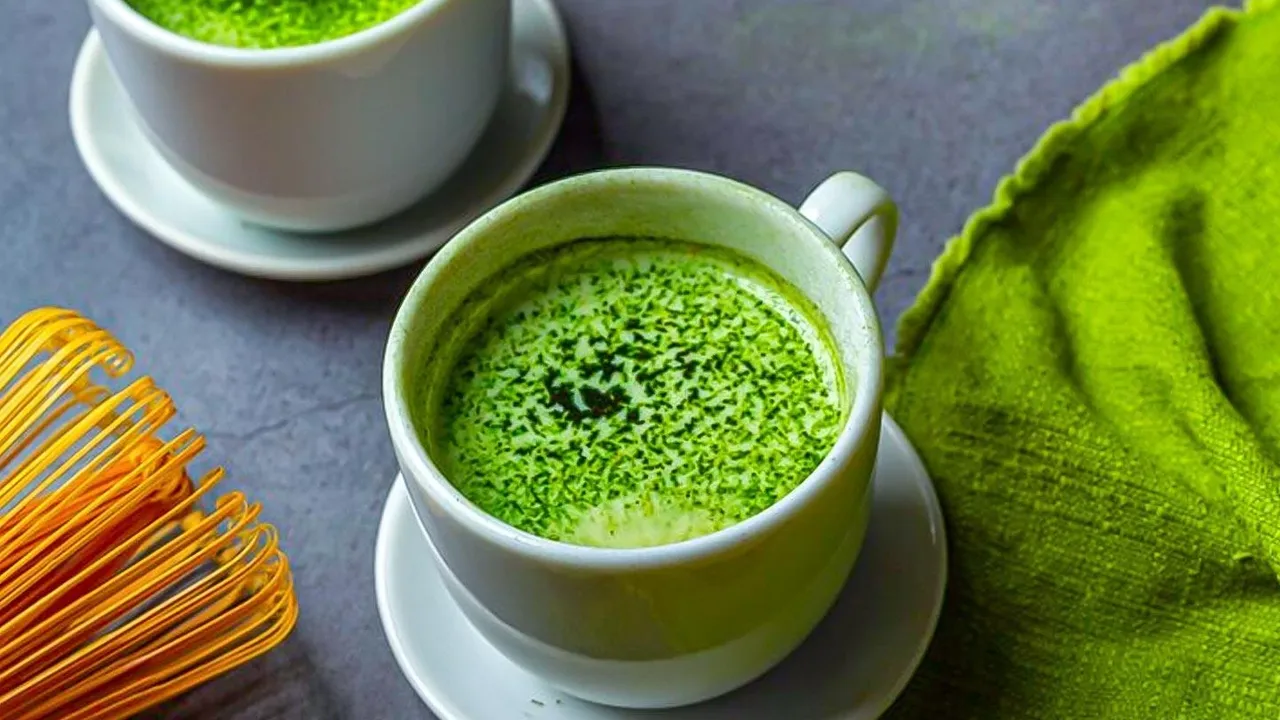
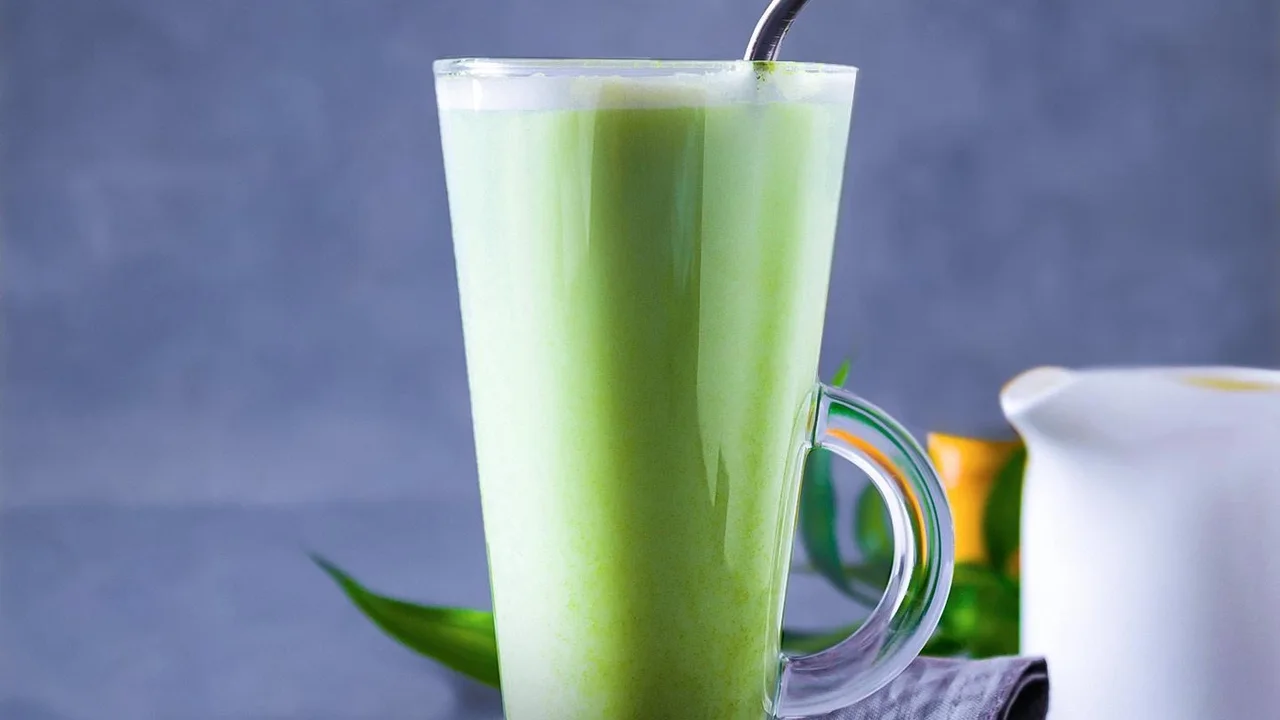
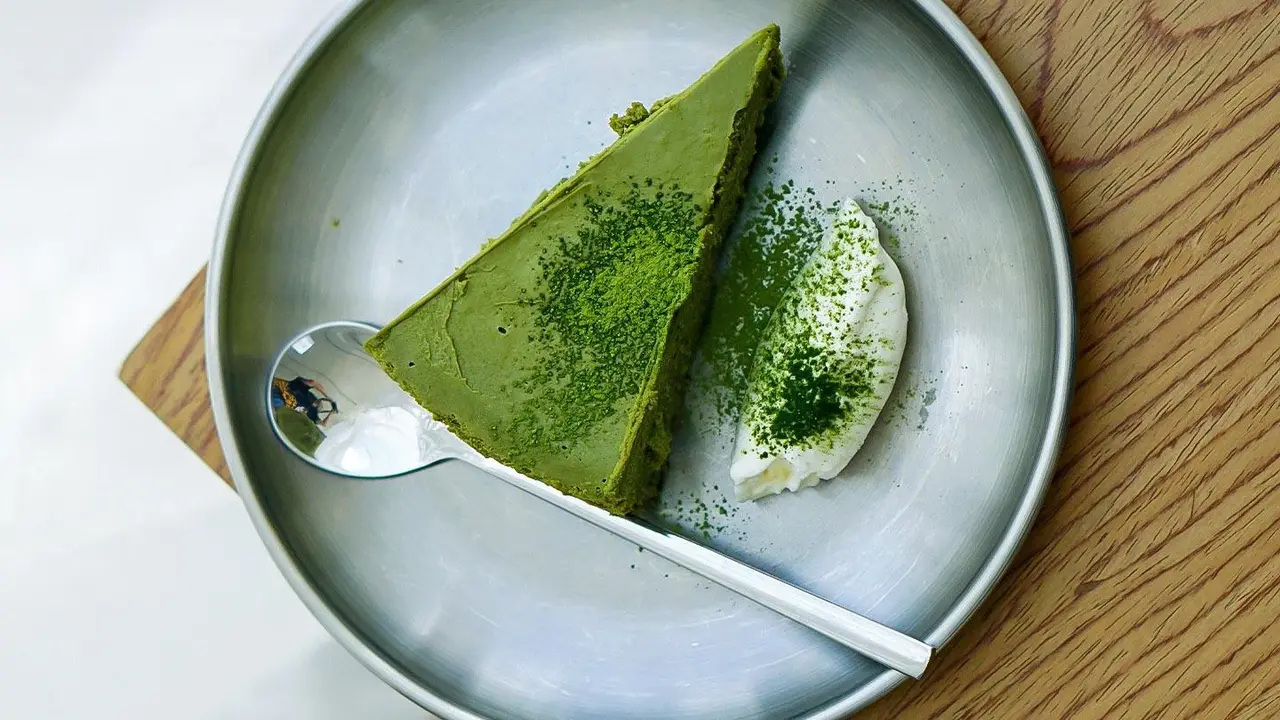
Matcha's vibrant color and versatility make it a content creator's dream. That unmistakable green is visually striking, creating a strong brand identity that is instantly shareable. It lends itself to countless creative applications, from dalgona-style whipped matcha to patterned cheesecakes and colourful smoothie bowls. This adaptability ensures a constant stream of new and engaging viral content. Furthermore, matcha has become a symbol of a certain lifestyle—one focused on wellness, self-care, and mindful moments. A picture of a matcha latte is not just about the drink itself; it's about communicating a commitment to a calm, healthy, and intentional way of living.
Pushing the Boundaries of Flavor
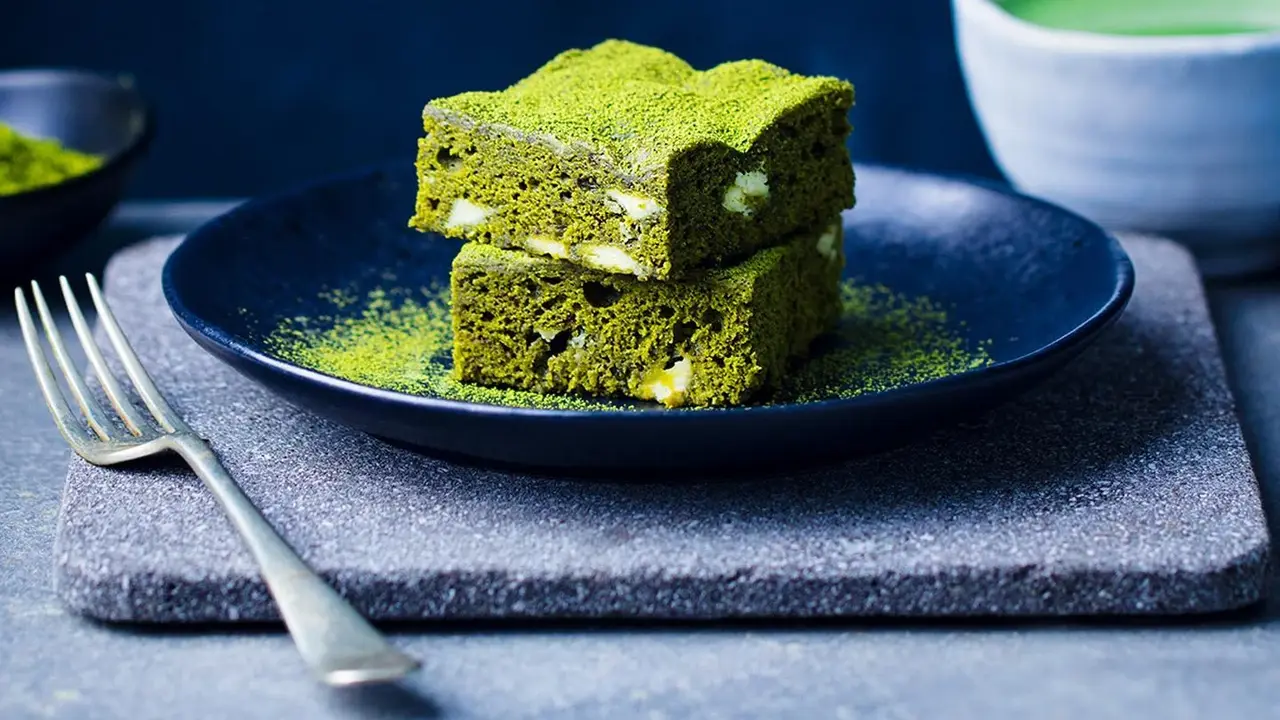
While lattes and sweets are its most common applications, matcha is increasingly being used in more experimental ways. Chefs and food innovators are exploring its savory side, incorporating its earthy, umami notes into everything from pasta and ramen to salts and sauces. This culinary expansion is where matcha is truly taking trends further. It's moving from a beverage to a versatile pantry staple. Hybrid flavor pairings with ingredients like citrus, berries, and even chocolate are creating new taste experiences. This constant innovation prevents flavor fatigue and demonstrates that matcha’s potential is still being explored, securing its relevance for years to come.