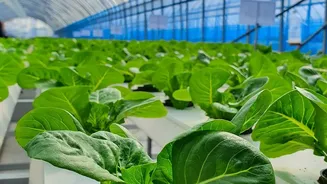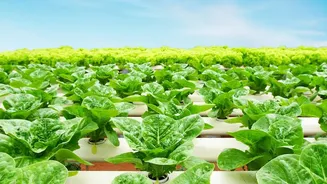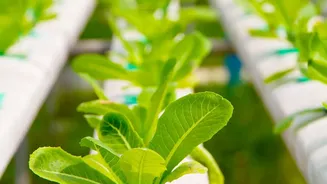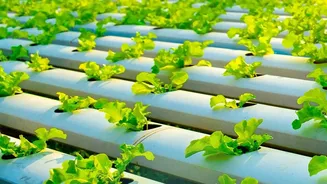


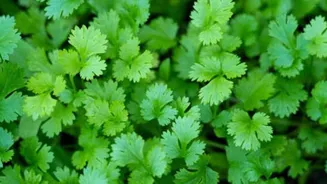
Growing coriander without soil offers a clean, fast, and efficient way to get this fragrant herb from your home to your kitchen. But this method, known as hydroponics, replaces a forgiving natural environment with one that you fully control.
The Promise of Soil-Free Success
Hydroponic
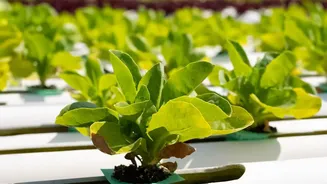
gardening, at its core, involves growing plants in a nutrient-rich water solution instead of soil. For an herb like coriander, this method sidesteps common frustrations like soil-borne pests and inconsistent germination. Because nutrients are delivered directly to the roots, growth can be faster and more efficient. It’s an ideal setup for indoor and urban gardeners who want a year-round supply of fresh leaves for their curries and salads. However, the success of a soil-free system hinges on creating and maintaining a perfectly balanced environment. Unlike soil, which acts as a natural buffer, a hydroponic reservoir can change quickly. This means the gardener's role shifts from a traditional cultivator to a vigilant system manager, where small, regular checks make all the difference between a thriving crop and a stressed one.
Your Daily and Weekly Checklist
Regular monitoring is the cornerstone of hydroponic success. A simple routine can help you catch issues before they become critical. A daily visual inspection is non-negotiable. Look at the leaves for any signs of yellowing, browning at the edges, or wilting. Check that your system's pump is running correctly and that the nutrient solution is flowing or bubbling as it should. On a weekly basis, your checks should be more thorough. This is the time to test the nutrient solution's pH and Electrical Conductivity (EC). Coriander thrives in a pH range of about 5.8 to 6.5. If the pH is outside this range, the plant cannot absorb the nutrients in the water, even if they are present. The EC, which measures the total amount of dissolved nutrients, should be between 1.2 and 1.8 mS/cm for coriander. Topping up the reservoir with plain water to compensate for evaporation is crucial, but avoid adding extra nutrient powder without measuring, as this can quickly lead to nutrient burn.
Decoding Signs of Plant Stress
Your plants will communicate their needs through visible cues. Learning to interpret these signs is key to preventing crop failure. Yellowing leaves are one of the most common red flags in hydroponics. While this often points to a nitrogen deficiency, the root cause is frequently an incorrect pH level that is 'locking out' the nitrogen from the plant's roots. Before adding more nutrients, always test and adjust the pH first. Brown, slimy roots with a musty smell are a classic sign of root rot, or Pythium. This is often caused by a warm nutrient solution or poor oxygenation. Ensure your water temperature stays cool (ideally 18–22°C) and that an air stone is providing plenty of bubbles if you're using a deep water culture system. Another major stressor for coriander is 'bolting', where the plant prematurely flowers in response to heat or other stress. The leaves become bitter and feathery once this process begins. Maintaining cooler temperatures and a light cycle of around 12 hours can help delay bolting and extend your harvest.
The Core Components: Nutrients, Light, and Air
Beyond regular checks, a stable foundation is essential. The nutrient solution is your plant's entire food source, so using a high-quality formula designed for leafy greens or herbs is important. These will typically have a balanced ratio of Nitrogen, Phosphorus, and Potassium (NPK) to promote healthy foliage. Light is another critical factor. Coriander doesn't need blazing intensity; 12 to 16 hours of moderate light from an LED grow light is usually sufficient. Too much light or heat can cause stress and trigger bolting. Finally, don't forget air circulation. Good airflow around the leaves helps prevent fungal issues and strengthens the plant's stems. In hydroponic systems, oxygen for the roots is just as vital. In deep water culture setups, this is supplied by an air pump and air stone, while in nutrient film technique (NFT) systems, it comes from the thin film of water allowing roots to access air.