





More Than Just a Summer Market
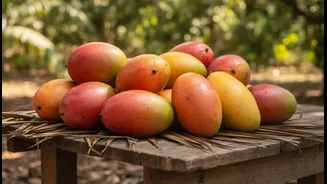
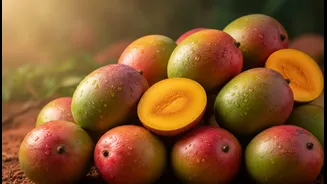
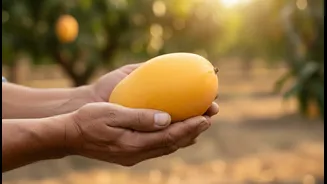
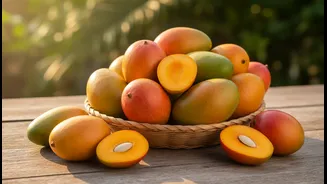
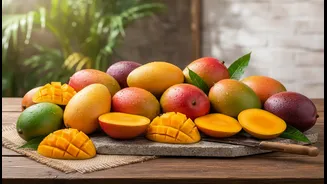
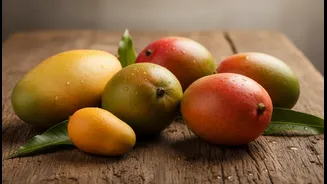
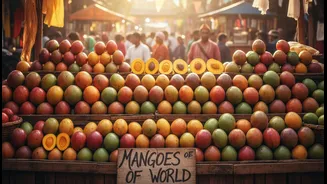
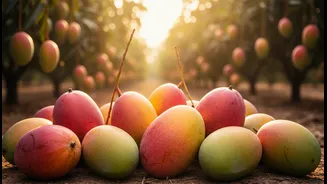
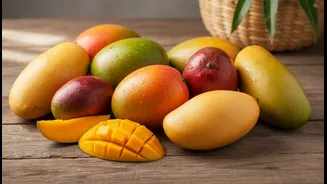
Step into any mango festival, or 'mela', across India, and you're hit with a sensory overload in the best way possible. The air is thick with a sweet, intoxicating aroma. Piles of green, yellow, orange, and red-blushed mangoes create a kaleidoscope of colour.
From Delhi's International Mango Festival to local fairs in Lucknow, Pune, and Pinjore, these events are a celebration of a beloved fruit. But look closer, and you'll see something more profound than a simple market. These festivals are becoming critical spaces for a much deeper conversation about India’s rich agricultural heritage. They are lively, informal platforms where visitors, who might only know a handful of commercial varieties, can witness the staggering diversity of mangoes grown across the country.
A Dazzling Library of Flavours
India is home to over a thousand varieties of mangoes, each with a unique taste, texture, and story. While names like Alphonso, Kesar, and Dasheri dominate the national market, mango fairs throw a spotlight on the unsung heroes. Here, you can discover hundreds of heirloom varieties at once—some sweet, some tangy, some best for pickles, others for juice. You might find the Himsagar from West Bengal, the Banganapalli from Andhra Pradesh, or the uniquely aromatic Appemidi pickle mangoes from Karnataka. Festivals often showcase over 500 varieties, turning tasting stalls into a journey across India's diverse agro-climatic zones. This experience provides a tangible, edible lesson in what biodiversity truly means—it’s not an abstract concept, but a library of distinct flavours, colours, and uses cultivated over generations.
Celebrating the Keepers of Diversity
Behind every rare mango is a 'custodian farmer'. These are often small-scale growers who have maintained multi-generational orchards, sometimes featuring dozens of traditional varieties. For them, growing diverse mangoes isn't just a tradition; it’s a smart farming strategy. Having multiple varieties with different flowering and fruiting times reduces the risk of crop failure due to weather fluctuations and extends their income season. However, these farmers often struggle to compete with large-scale monoculture farms. In the wholesale market, their unique varieties might not fetch a good price, creating little incentive for conservation. Mango fairs provide a crucial platform, allowing these farmers to connect directly with consumers, share the stories of their fruits, and earn better returns.
The Biodiversity Lesson We Can All Taste
So, how exactly is a mango fair a biodiversity lesson? It starts with appreciation. By tasting a range of mangoes, consumers learn that a single fruit can have an incredible spectrum of expressions. This fosters a deeper respect for the genetic diversity that is being lost as farming becomes more uniform. These events often include seminars and demonstrations, where experts and farmers explain the importance of conserving traditional varieties. Many heirloom mangoes possess valuable traits, such as drought tolerance or natural resistance to pests, which are crucial for developing future crops resilient to climate change. As weather patterns become more erratic, relying on just a few commercial types is a risky strategy. The genetic pool preserved in these old orchards is an invaluable resource for food security.
From Fairgoer to Conservationist
The threat to mango diversity is real. The focus on a few commercially popular varieties, coupled with challenges like climate change and new pests, puts hundreds of traditional types at risk of disappearing. Many heirloom varieties have already vanished. However, events like mango festivals empower both farmers and consumers to be part of the solution. They create a market for rare varieties, encouraging farmers to continue cultivating them. When visitors choose to buy a lesser-known mango, they are casting a vote for biodiversity. They are sending a message that variety matters, ensuring that the farmers who act as guardians of this genetic treasure trove can continue their vital work. These fairs demonstrate that collective community efforts, driven by something as simple as the love for a fruit, can play a powerful role in conservation.