





Communication Is the Main Ingredient
The single most important rule in a shared kitchen is to talk before things get tense. Before you even discuss a grocery list, have a house meeting about food philosophy. Are you all comfortable sharing basic staples, or does someone prefer to keep everything
separate? Establishing this early on prevents misunderstandings. Decide which items will be communal—common choices include cooking oil, salt, sugar, and basic spices. Everything else should be considered personal property unless you ask first. This initial conversation sets the foundation for a respectful and conflict-free kitchen. Don't let assumptions fester; a quick, open chat can solve most problems before they start.
Define and Conquer Your Staples
Not all staples are created equal. While basics like salt and oil are easy to share, items like milk, eggs, or bread can be contentious. It's crucial to define what 'shared' really means for your household. Create a clear list of the items everyone agrees to use and replace. For everything else, the rule is simple: if you didn't buy it, don't use it without asking. Respecting these boundaries is fundamental to avoiding resentment. For the truly shared items, the next step is figuring out a system to keep them stocked. This clarity ensures no one feels taken advantage of when their personal-use ghee disappears overnight.
Create a Fair Replenishment System
Once you've agreed on what to share, you need a fair system for replacing those items. A rotating schedule is a popular and effective method. One person can be responsible for buying the shared staples for a month, and then the responsibility shifts to the next person. Another option is to create a small communal fund. Everyone contributes a fixed amount each month, and this money is used exclusively for restocking the shared pantry. For a lower-tech solution, a simple whiteboard or magnetic list on the fridge works wonders. When someone uses the last of the turmeric, they write it on the list. The next person heading to the shops can then pick it up.
Organize for Kitchen Harmony
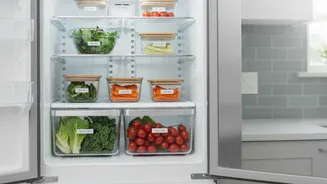
A well-organized kitchen can drastically reduce tension. Designate a specific shelf or cupboard as the 'shared zone'. This is where communal items like atta, oil, and sugar live. This prevents confusion and stops people from accidentally using someone's personal ingredients. For personal items, assign each roommate their own shelf in the pantry and the fridge. Labelling shelves or using color-coded containers can provide even more clarity and reduce the chance of accidentally grabbing someone else's food. Good organization isn't just about being tidy; it's a visual form of communication that reinforces your house rules.
Navigating the 'Gray Areas'
What happens when you need just a pinch of saffron for a biryani or a splash of someone's milk for your chai? These 'gray area' borrowings are a major source of roommate friction. The best policy is to always ask first. If you borrow, you replace. If you used the last of your flatmate's eggs for a late-night snack, make it a priority to buy a new carton the very next day. A great rule of thumb is to replace any borrowed item in a larger quantity than you took. It shows respect and appreciation. Some households also create a 'communal leftovers' shelf in the fridge, where anyone can place food they are happy to share, avoiding food waste and fostering a sense of community.