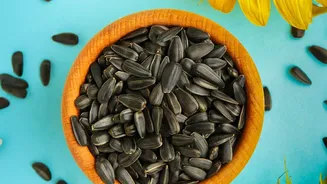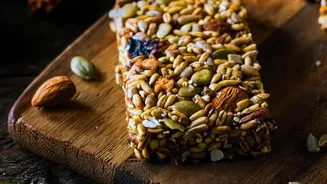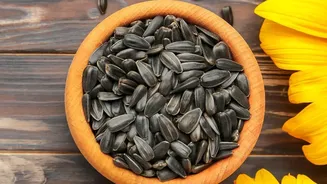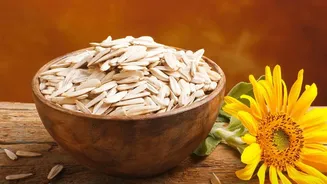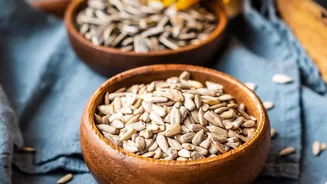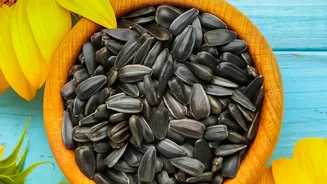




Sunflower seeds offer a satisfying crunch and a host of nutrients, making them a popular breakfast addition. But their small size belies a high calorie count. Understanding portion control is key to harnessing their benefits without overdoing it.
A Tiny Nutritional Powerhouse
Before
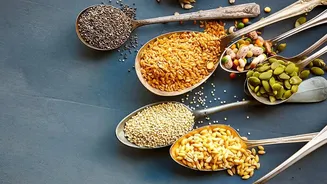
diving into portion sizes, it’s worth remembering why these seeds are so prized. They are an excellent source of vitamin E, a powerful antioxidant that helps protect cells from damage. They are also rich in healthy fats, specifically polyunsaturated and monounsaturated fats, which are linked to better heart health by helping to lower cholesterol and blood pressure. Furthermore, they provide a good amount of protein, fibre, and essential minerals like selenium, zinc, and magnesium. This combination of fat, fibre, and protein contributes to a feeling of fullness, which can help manage hunger through the morning. These nutrients also support the immune system and can offer anti-inflammatory benefits.
The Meaning of 'Energy-Dense'
The term 'energy-dense' simply means a food contains a high number of calories for its weight. Sunflower seeds are a prime example. A standard serving of one-quarter cup of shelled, dry-roasted sunflower seeds contains around 165 to 207 calories. While these calories come from nutrient-rich sources, they still contribute to your total daily intake. For comparison, a quarter-cup of strawberries has about 12 calories. It's easy to see how mindlessly snacking on sunflower seeds can quickly add hundreds of extra calories to your day, potentially leading to unwanted weight gain if not balanced with your energy expenditure. This is why mindful portioning is crucial.
Finding the Breakfast Sweet Spot
For a healthy breakfast boost, a serving of one to two tablespoons is the ideal amount. This portion, roughly 15-30 grams, allows you to reap the nutritional benefits without a significant calorie overload. Two tablespoons of shelled sunflower seeds will add about 100 calories, along with valuable protein, healthy fats, and fibre to kickstart your day. This quantity is enough to add a pleasing texture and nutty flavour to your meal, enhancing satisfaction. Sticking to this amount ensures the seeds complement your breakfast rather than becoming the main caloric event, aligning with a balanced approach to your morning meal.
Too Much of a Good Thing
While beneficial in moderation, overconsumption can lead to a few issues. The most obvious is excessive calorie intake, which can hinder weight management goals. Since sunflower seeds are high in fat, eating too many at once can also lead to digestive discomfort like bloating or diarrhea for some individuals. Salted varieties pose another risk; it's easy to exceed daily sodium recommendations, which can affect blood pressure. Finally, while rare, excessive intake of selenium, a mineral abundant in these seeds, can lead to toxicity over time, with symptoms like brittle hair and nails or skin rashes. Sticking to the recommended serving size mitigates these risks.
Smart Ways to Add a Morning Crunch
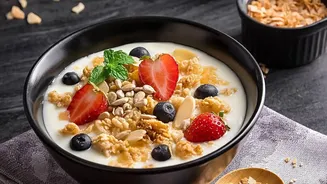
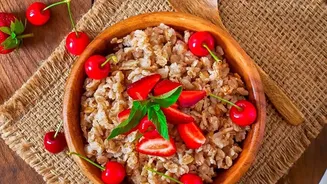
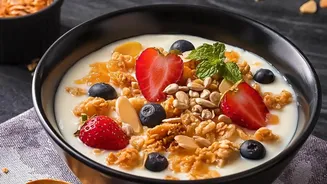
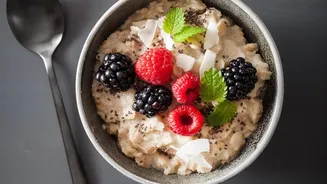
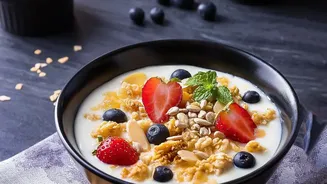
Incorporating your one-to-two tablespoon serving into breakfast is simple and delicious. Sprinkle the seeds over a bowl of oatmeal, upma, or poha for added texture and nutrients. They are a perfect topping for yogurt or a fruit bowl, providing a nutty contrast to the creaminess or sweetness. You can also blend them into a morning smoothie for a boost of healthy fats and protein that will keep you feeling full longer. Another idea is to mix them into dosa or cheela batter before cooking. If you enjoy toast, try spreading it with sunflower seed butter and topping with sliced bananas for a hearty and satisfying start to your day.