

Understanding a Pet's Shyness
Not all pets are social butterflies. A pet's reserved nature isn't a personal slight; it's often rooted in their history or personality. Shyness can stem from several factors, including genetics, a lack of early socialisation, or past negative experiences.
For puppies and kittens, there is a critical window between 3 and 14 weeks of age where positive exposure to new people, places, and sounds helps build confidence. If they miss out on these experiences, they may grow up to be fearful of the unfamiliar. Past trauma, such as neglect or a single frightening event, can also leave a lasting impact, making them cautious around new people.
How to Read Their Body Language
Animals communicate their feelings through body language, and learning to read their cues is crucial. A fearful dog or cat will give off several signals that they are uncomfortable. For dogs, this can include tucking their tail between their legs, pinning their ears back, licking their lips repeatedly, yawning when not tired, and avoiding eye contact. You might also see them cower, freeze in place, or try to hide. Cats show fear in similar ways, such as flattening their ears, puffing up their fur, or a low, twitching tail. A wide-eyed stare where you can see the whites of their eyes, sometimes called 'whale eye', is another clear sign of distress in both dogs and cats. Misinterpreting these signals as calmness can cause the animal significant stress.
The Right Way to Say Hello
The golden rule when meeting a shy pet is to let them make the first move. When you enter a home, the best initial approach is to calmly ignore the pet. This removes any social pressure. Find a place to sit down, making yourself smaller and less intimidating. Avoid direct eye contact and turn your body slightly sideways, which is seen as less confrontational. You can scatter a few treats on the floor near you to create a positive association without forcing interaction. If the pet shows curiosity and approaches you, remain still and let them sniff you. You can slowly extend a closed hand for them to investigate. Wait for them to initiate further contact, like nudging your hand, before attempting a gentle pet on their chest or shoulder, rather than reaching over their head.
Common Mistakes Visitors Make
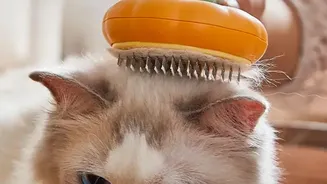
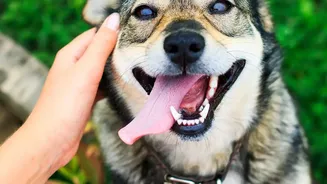
Our natural human tendency is often the exact opposite of what a shy pet needs. One of the biggest mistakes is approaching them head-on with direct eye contact, which animals can interpret as a threat. Leaning or looming over a small animal is also intimidating. Many people instinctively reach out to pat a pet on the head, but this can be frightening. A hand coming down from above can be scary, which is why it's better to pet their side or chest once they are comfortable. Forcing an interaction by cornering a pet or picking them up when they are trying to retreat can break their trust and may even lead to a defensive reaction like a scratch or a nip. Always respect their safe space, such as their bed or a specific room they retreat to.