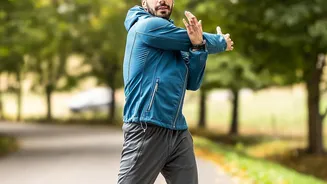






Embrace the Post-Monsoon Sweet Spot
After months of dodging downpours or being confined indoors, the post-monsoon climate is a welcome reset. Across much of northern, western, and central India, October is characterized by abundant sunshine and a pleasant dryness in the air. The significant
drop in humidity is the biggest game-changer for fitness enthusiasts. It allows your body to cool itself more efficiently through sweat, reducing the risk of overheating and making activities like running and cycling feel far less strenuous. This shift acts as a natural motivator, making it easier to build consistency before the winter chill arrives in some regions.
Time Your Workouts Wisely
While October is generally milder, some parts of the country can still experience significant heat, sometimes feeling like a 'second summer'. The most effective way to exercise comfortably is to schedule your workouts for the coolest parts of the day. Early mornings and late evenings offer inviting temperatures ideal for jogging, brisk walking, or cycling. It's crucial to avoid exercising during peak heat hours, typically between 10 a.m. and 4 p.m., as this puts a major strain on your body. By aligning your routine with these cooler windows, you can get the most out of your session without battling oppressive heat.
Start Slow and Build Momentum
If you've been less active during the monsoon, it's tempting to jump back into a high-intensity routine, but this is a common mistake that can lead to injury or burnout. Your body needs time to acclimatize to different demands and uneven outdoor terrain. Experts recommend starting with lower-intensity activities for 20-30 minutes, such as brisk walking or light jogging. A proven strategy is the run-walk method: alternate short bursts of running with walking to recover. Gradually increase your duration or intensity by no more than 10% each week, allowing your muscles and joints to adapt safely. The goal is consistency, not a single heroic effort.
Adapt Your Gear and Attire
The right gear is essential for both comfort and safety. With fluctuating temperatures, layering is a smart strategy. Start with a base layer of moisture-wicking fabric like polyester, which pulls sweat away from your skin, and add a light jacket you can easily remove. Avoid cotton, as it traps moisture and can leave you feeling damp and heavy. After the rains, paths can remain slippery or muddy. Ensure your shoes have good grip and cushioning to prevent slips and falls. And even with milder sun, protection is key. Always apply a broad-spectrum sunscreen, and consider a cap and sunglasses for extra defense.
Rethink Your Exercise Choices
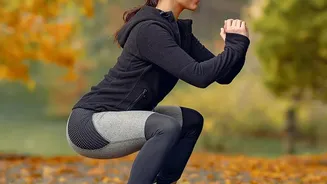
The pleasant weather opens up a world of possibilities beyond the treadmill. Parks become natural gyms, perfect for bodyweight circuits. Exercises like squats, push-ups, lunges, and planks require no equipment and are highly effective. You can use a park bench for incline push-ups or tricep dips. This is also an excellent time for trail running or hiking, as the landscapes are often vibrant and green post-monsoon. Choosing an activity you genuinely enjoy is the secret to a lasting routine, whether it's outdoor yoga, cycling through quiet streets, or joining a local sports group.
Stay Hydrated and Mind the Air
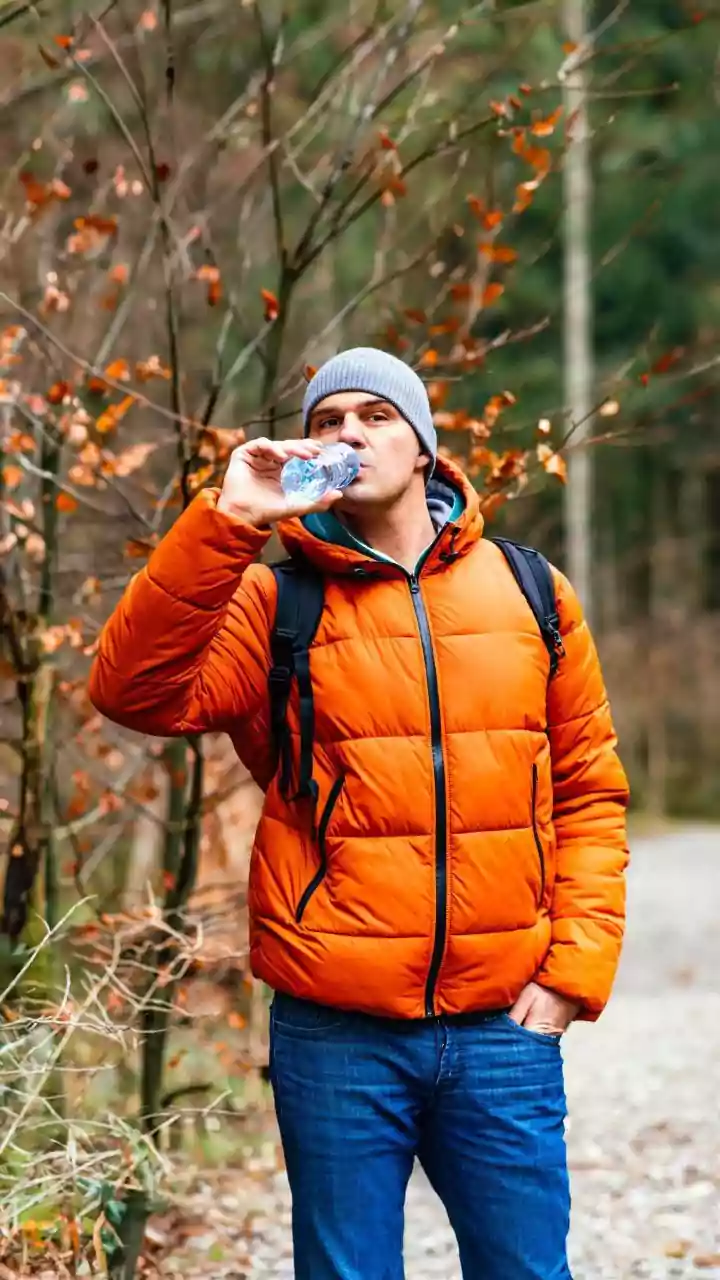
Cooler temperatures can be deceptive, but hydration remains non-negotiable. When you exercise outdoors, you lose essential fluids and electrolytes through sweat. Don't wait until you feel thirsty to drink; carry a water bottle and take sips regularly. For longer sessions, coconut water or an electrolyte drink can be beneficial. It’s also wise to be mindful of air quality. In some urban areas, the shift in weather patterns can affect the Air Quality Index (AQI). Checking the local AQI before heading out can help you decide if it's a good day for a strenuous outdoor workout.