





More Than a Cuddle: Why Daily Checks Matter
Integrating a quick health scan into your daily routine is less about finding problems and more about preventing them. For pets in India, with our diverse and often extreme climates, this is non-negotiable. From the scorching summer pavements of Delhi
to the humid monsoons of Mumbai, environmental factors pose daily challenges. A few minutes spent checking your pet can catch issues like ticks, fungal infections, or skin allergies before they become serious, painful, and expensive to treat. Think of it not as a clinical examination, but as an extension of your daily petting and bonding time. A healthy pet's coat should be smooth and shiny, and their skin clear and supple. This simple habit is a powerful act of love that tunes you into your pet’s wellbeing long before visible signs of distress appear.
The Paw Patrol: A Ground-Level Inspection
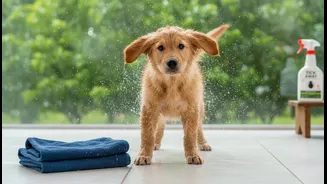
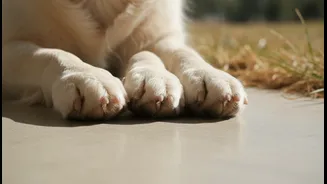
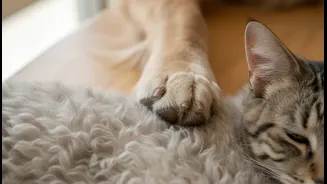
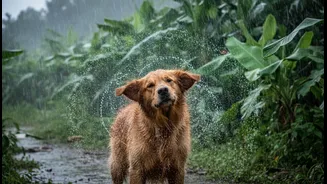
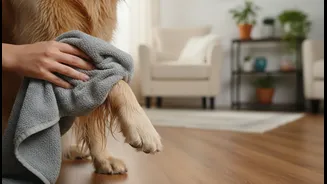
Your pet’s paws are their connection to the world, and they endure a lot. In India, this means navigating hot asphalt, muddy monsoon paths, and rough terrain that can hide sharp objects. After every walk, make it a habit to gently clean and inspect their paws. Look between the toes and at the pads for any cuts, thorns, or bits of glass. Check for parasites like ticks, which love to hide in these warm, tight spaces. During summer, hot pavements can cause painful blisters and burns. A simple test is to place the back of your hand on the pavement for ten seconds; if it’s too hot for you, it’s too hot for them. In the monsoon, damp paws are a breeding ground for fungal and bacterial infections. Always wipe their paws dry after a walk. Look for signs of irritation like redness, swelling, or excessive licking, which could indicate an allergy or infection.
An Ear for Infections, Especially in Monsoon
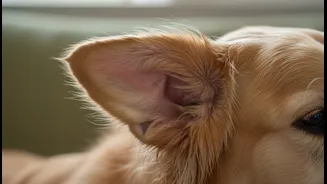
A dog's L-shaped ear canal is brilliant for hearing but terrible for drainage, making it prone to trapping moisture and debris. This is especially true for floppy-eared breeds and becomes a major concern during India's humid monsoon season, which creates the perfect environment for yeast and bacteria to thrive. A daily or frequent check is crucial. A healthy ear is clean, pale pink, and has no foul odour. Look for symptoms like head shaking, scratching, redness, swelling, or any unusual discharge (which can be dark, yellow, or bloody). A bad smell is a significant red flag for infection. Gently wipe the outer part of the ear with a soft cloth. Never insert cotton swabs deep into the canal, as this can push debris further in or damage the eardrum. Regular checks allow you to spot the early signs and consult a vet before the infection becomes severe.
Your Pet’s Coat of Arms: Skin and Fur Health
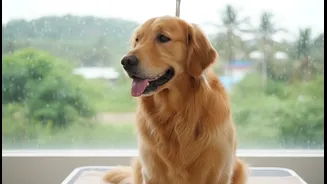
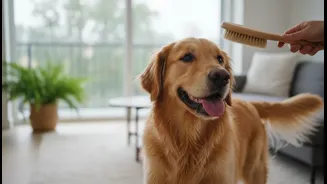
A pet's coat is a great indicator of their overall health. Daily brushing or at least a thorough run-through with your hands helps you stay familiar with what’s normal for your pet. Part the fur and look at the skin underneath. You are checking for fleas and ticks, which are a year-round menace in India’s warm climate. Also look for any redness, rashes, bald spots, flaky skin (dandruff), or unusual lumps and bumps. Regular grooming removes loose hair and dirt, preventing matting and distributing natural skin oils that keep the coat healthy. It's also the best way to find parasites early before they cause serious issues like tick fever. Pay extra attention to the neck, armpits, and groin area, as these are common hiding spots for pests.
Making it a Positive Bonding Ritual
This daily check doesn't have to be a stressful struggle. The key is to introduce it calmly and make it a rewarding experience. Choose a time when your pet is relaxed, perhaps after a meal or a walk. Use a calm, reassuring voice and offer plenty of praise and their favourite treats. Start with short sessions and gradually increase the duration as they get more comfortable. Gently handle their paws, lift their ear flaps, and run your hands through their fur. Over time, your pet will associate this routine with positive attention and treats, turning a necessary health check into a cherished daily moment of connection. This regular, gentle handling also makes future vet visits less stressful for both of you.