







Built for Speed and Stability
The single biggest change is one you won't see, but will definitely feel. The platform's backend infrastructure has received a massive upgrade. The new system is built to handle over 1.5 lakh ticket bookings per minute, a nearly five-fold increase from
the previous capacity of around 32,000. The enquiry system has also been scaled up tenfold, capable of handling over 40 lakh searches per minute. For the average traveller, this translates into a more stable and reliable experience. The goal is to drastically reduce the chances of the website crashing or slowing to a crawl during high-demand periods, most notably the frantic morning Tatkal booking windows. Fewer 'service unavailable' errors and failed transactions mean less time spent repeatedly trying to secure a ticket.
A Cleaner, More Focused Interface
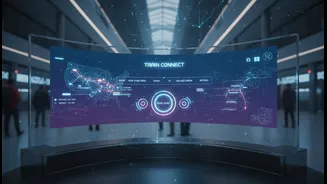
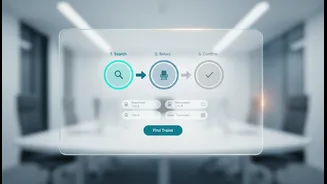
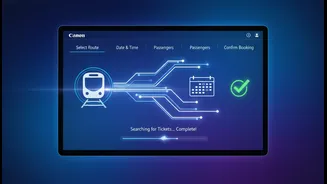
Frequent users of the old IRCTC website are familiar with the constant interruptions. The new design directly tackles this by decluttering the user experience. Unnecessary pop-ups, distracting flashing graphics, and repeated CAPTCHA verifications have been significantly reduced or removed entirely. The idea is to provide a cleaner, more straightforward path from searching for a train to confirming a payment. This streamlined interface is expected to make the booking flow much smoother, allowing users to complete their reservations without the frustrating delays caused by having to close banners or prove you are not a robot multiple times. This is especially critical during time-sensitive bookings where every second counts.
Smarter Search for Quicker Decisions
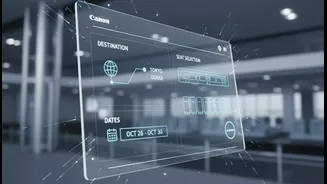
Two new features aim to cut down the time spent searching and comparing options. The first is a unified seat availability display. Instead of having to click on and check Sleeper Class, 3A, 2A, and 1A one by one, the new website will show the availability across all classes on a single screen. This small change allows for an instant comparison, helping travellers make faster decisions. The second feature is a fare calendar, which lets users with flexible travel plans see and compare ticket prices across different dates. This eliminates the need to perform multiple searches for different days just to find a cheaper fare.
Faster Checkout and Personalised Options
The final steps of booking have also been simplified. The checkout process now involves fewer steps, reducing the number of clicks needed to finalise a ticket. For frequent travellers and families, the ability to save passenger details will be a major time-saver, eliminating the need to type the same names, ages, and IDs for every booking. Furthermore, the revamped portal allows passengers to input their seat preferences, such as lower berth or window seat, during the booking process itself. While not a guarantee, this integrates a commonly requested feature directly into the main workflow. The payment process has also been streamlined to reduce transaction failures.
More Inclusive and Accessible for All
Beyond speed, the redesign aims to make the platform more accessible to a wider range of users. The website will now support multiple Indian languages, breaking down barriers for those who are not comfortable with English or Hindi. Additionally, the new portal integrates concession bookings for different groups, including Divyangjan, students, and patients, onto a single platform. This consolidates services that previously might have required separate or more complex processes, making it easier for eligible passengers to avail their concessions without navigating different systems.