








The Post-Meal Blood Sugar Rollercoaster
To understand why a walk helps, we first need to look at what happens when you eat. After a meal, particularly one containing carbohydrates, your digestive system breaks the food down into glucose, which enters your bloodstream. This rise in blood sugar
signals your pancreas to release insulin, a hormone that helps your cells absorb the glucose for energy. However, large, rapid increases in blood sugar, often called 'spikes,' can lead to a subsequent 'crash'. This happens when the insulin response is overly aggressive, pulling too much sugar out of the blood too quickly. The result is that familiar feeling of lethargy, brain fog, and sometimes even irritability. Over time, frequent and dramatic blood sugar fluctuations can increase the risk of developing Type 2 diabetes and impact cardiovascular health.
Your Secret Weapon: A Simple Walk
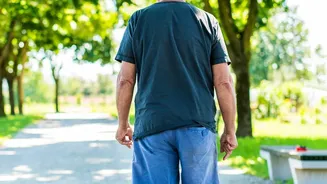
This is where a post-meal stroll works its magic. When you engage in light physical activity like walking, your muscles require energy. To get it, they can pull glucose directly from your bloodstream without needing a significant amount of insulin. This simple action has a profound effect: it helps to blunt the glucose spike that would otherwise occur after eating. Studies have shown that even a brief 10- to 15-minute walk can significantly lower post-meal blood sugar levels. The changes in blood sugar are not only smaller but also more gradual, preventing the jarring highs and lows that cause fatigue. This benefit applies to everyone, not just individuals with diabetes. By using up some of the glucose from your meal right away, you place less demand on your pancreas and promote better metabolic health in the long run.
Soothing Soreness With Active Recovery
The benefits of walking extend beyond blood sugar, especially if you lead an active lifestyle. When you experience muscle soreness after a tough workout, a condition known as Delayed Onset Muscle Soreness (DOMS), your first instinct might be to remain completely still. However, light movement, or 'active recovery', is often a better strategy. A gentle walk increases circulation, boosting blood flow to your tired muscles. This enhanced blood flow delivers vital oxygen and nutrients that are essential for the muscle repair process. It also helps to flush out metabolic waste products that can accumulate in tissues after strenuous exercise. Unlike complete rest, which can sometimes lead to more stiffness, a recovery walk keeps your joints and muscles moving gently, helping to restore mobility and reduce that 'wrecked' feeling the day after a hard session.
Putting It Into Practice: Your Walking Plan
Incorporating this habit is straightforward. Research suggests the most effective window for walking to manage blood sugar is within 60 to 90 minutes after a meal, though even a walk taken immediately after eating provides benefits. You don't need a long or intense session; a walk of just 10 to 15 minutes is remarkably effective. The pace should be leisurely and comfortable, not strenuous. The goal is gentle movement, not a high-intensity workout. For active recovery, a 20-minute gentle walk the day after a tough workout can leave you feeling refreshed instead of stiff. The key is consistency. Try scheduling a short stroll after lunch during your workday or making it a family activity after dinner. Keeping walking shoes handy at home or the office can make it even easier to stick with this simple, powerful routine.