







What is the Lymphatic System?
Before we can walk the walk, we need to understand the system it claims to support. Think of the lymphatic system as your body's silent, secondary circulatory network. It's a complex web of vessels, nodes, and organs that acts as a drainage and filtration
system. Its main jobs include managing fluid levels in your tissues, absorbing fats from your diet, and, crucially, supporting your immune system by trapping and dealing with waste, bacteria, and abnormal cells. Unlike your cardiovascular system, which has the heart as a powerful central pump, the lymphatic system has no such engine. It relies on external forces to move its fluid—called lymph—around the body. This is where movement becomes essential.
The Power of Simply Walking
Any form of physical activity helps stimulate the lymphatic system, and walking is one of the most effective and accessible methods. Every time you take a step, the muscles in your legs and core contract. These contractions squeeze the lymphatic vessels, pushing the fluid along through a series of one-way valves. This is why the calf muscles are sometimes called the body's "second heart"; their pumping action is vital for pushing fluid up from the lower body against gravity. Deep breathing, a natural part of brisk walking, also plays a key role. It changes the pressure in your chest and abdomen, which helps pull lymph from the lower body upwards towards the bloodstream. In short, a simple walk engages the exact mechanisms your lymphatic system needs to function properly.
So, What Makes 'Lymphatic Walking' a Trend?
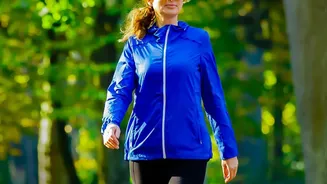
Despite its trendy name, "lymphatic walking" isn't a new or secret technique. Most videos and guides describe what is essentially a mindful, purposeful walk. The common instructions include maintaining an upright posture, swinging your arms freely, breathing deeply from your belly, and moving at a steady, rhythmic pace. There is currently no scientific evidence to suggest that this specific framing of walking is physiologically superior to a regular, brisk walk of the same intensity. The main difference is one of intention. By focusing on posture, breath, and rhythm, you may be more present and engaged in the activity, but the mechanical benefits for your lymphatic system come from the walking itself. The trend successfully rebranded a fundamental health habit, but the magic isn't in the name—it's in the motion.
Rhythm, Consistency, and Realistic Goals
The headline gets it right: the real power lies in rhythm, consistency, and realistic expectations. The rhythmic, repetitive nature of walking is inherently therapeutic and can help regulate the nervous system. Studies show that walking to a steady beat or music can improve walking speed, stride length, and rhythm, all of which contribute to a more effective walk. However, the most critical factor is consistency. A single, perfect "lymphatic walk" will do very little. The benefits for your lymphatic system, cardiovascular health, and overall well-being come from making walking a regular habit. Experts generally recommend aiming for about 20 to 30 minutes on most days of the week. It's also important to be realistic. While walking can help reduce temporary bloating or puffiness by moving fluid, it does not "drain" or "melt" fat. Lasting weight management is a result of consistent energy expenditure over time, not a quick fluid shift.
How to Start Your Own Walking Practice
Forget the hype and focus on the habit. To get the most out of your walk, whether you call it lymphatic or not, keep a few things in mind. Start by standing tall with relaxed shoulders. Walk at a pace that is brisk but still allows you to hold a conversation. Let your arms swing naturally from the shoulders, as this helps with momentum and torso rotation. Focus on smooth, heel-to-toe steps. And remember to breathe deeply and steadily. The key is to find a routine you enjoy and can stick with. Whether it's a quiet morning walk to catch the daylight or a post-dinner stroll to aid digestion, the best exercise is the one you will do consistently.