






More Than Just a Plastic Bag
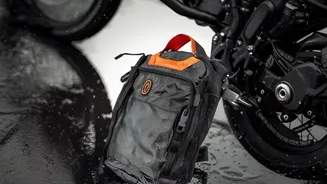
At its core, a waterproof pouch is designed to create an impenetrable barrier between your device and the elements. Unlike a simple plastic bag, these specialised pouches use robust closure systems to ensure a complete seal. The most common types are
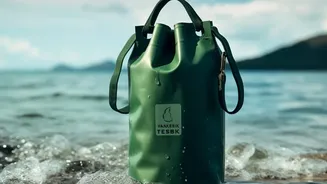
roll-top closures, which involve folding the top of the bag over several times and securing it with a clip, and zipper-lock seals, which function like heavy-duty freezer bags. Some high-end models even use hermetic magnetic closures. These mechanisms are engineered to be airtight, which in turn makes them watertight, preventing not just rain and splashes but also humidity and dust from getting inside.
Decoding the IP Rating
Not all waterproof claims are equal, and the Ingress Protection (IP) rating is your best guide to a pouch's true capabilities. This international standard uses two numbers. The first digit (0-6) rates protection against solids like dust, while the second (0-9) rates protection against water. For monsoon travel, the second number is crucial. A rating of IPX4 can handle splashes from any direction, suitable for a light drizzle. An IPX6 rating can withstand powerful water jets, making it reliable in heavy rain. For ultimate peace of mind, an IPX7 rating means the pouch can be submerged in up to one meter of water for 30 minutes, while IPX8 signifies protection against continuous submersion. For most road journeys, a pouch rated IPX6 or IPX7 offers more than enough protection.
The Right Materials for the Job
The material of the pouch is as important as its seal. Most are made from either PVC (Polyvinyl Chloride) or TPU (Thermoplastic Polyurethane). PVC is a durable and widely used plastic that offers excellent water resistance at an affordable price point. However, it can become stiff in colder weather and may contain chemicals you'd rather avoid. TPU is a more modern, flexible, and environmentally friendlier alternative. It remains supple in various temperatures and is highly resistant to abrasion and punctures. Many premium pouches use TPU for its durability and longevity. Other materials include nylon or polyester with a water-repellent coating, but these are typically classified as 'water-resistant' rather than fully 'waterproof'.
Essential Features Beyond Waterproofing
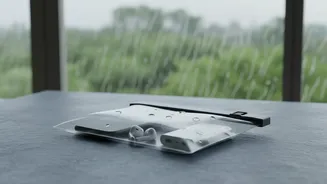
A good pouch does more than just keep water out. Look for designs with welded or sealed seams instead of traditional stitching, as needle holes can be a weak point for water entry. Many pouches designed for tablets or phones feature a clear window, allowing you to use your device's touchscreen without removing it from its protected shell. For laptop pouches, some level of internal padding is crucial to protect against bumps and drops, which are common during turbulent road travel. Some even have internal pockets for accessories like chargers and cables, keeping everything organised and safe. Finally, consider a pouch with an air pocket or buoyant design; if it accidentally falls into a larger body of water, it will float instead of sinking.
Choosing Your Monsoon Armour
When selecting a pouch, first ensure it’s the right size for your device, providing a snug fit without being too tight. A laptop that slides around inside is more susceptible to impact damage. Next, consider your travel style. If you are a daily commuter on a scooter, a roll-top pouch with an IPX6 rating that fits into your backpack is ideal. For a more adventurous trip involving river crossings or trekking, an IPX7 or IPX8 rated pouch offers the highest level of security. While a basic water-resistant laptop bag may protect against a light shower, it won't stand up to the sustained, heavy downpours characteristic of the Indian monsoon. Investing in a truly waterproof pouch is a small price to pay for safeguarding your valuable technology.