






From Appointment Viewing to All-You-Can-Watch
The single biggest change brought by streaming platforms is the sheer availability of classic films. Before the era of Netflix, Amazon Prime, and specialized services like MUBI and Ultra Play, access to Bollywood's vast back catalogue was limited. Viewers
were at the mercy of television schedulers. Now, platforms are actively building extensive libraries of older content, knowing there's a dedicated audience for it. This move has turned Bollywood's history from a static archive into a dynamic, accessible playground. The convenience of on-demand viewing means entire filmographies of legendary actors and directors are available anytime, fostering a new kind of film appreciation that was previously impossible for the average viewer. This has also created a new economic cycle of restoration and digital preservation, giving many forgotten films a second life.
The Rise of a New Nostalgia
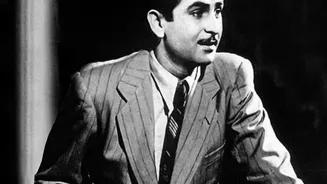
While nostalgia has always been a powerful force, streaming has amplified it. Viewers are not just rewatching childhood favourites; they are discovering films from before their time. Younger millennials and Gen Z are finding and celebrating movies from the '70s, '80s, and '90s, drawn to their simpler themes and timeless music. This is more than just a passing trend; it is a significant viewing habit. Streaming services report high engagement with nostalgic content, from black-and-white classics like 'Awara' to '90s blockbusters like 'Raja Hindustani'. This has even extended to classic TV shows like 'Hum Paanch' and 'Hip Hip Hurray', which are finding new life online. The ability to share clips and create fan edits on social media further fuels this rediscovery, turning yesteryear's hits into today's trending topics.
A More Critical and Curious Audience
With endless access comes a more discerning audience. Viewers are no longer passive consumers; they are active curators and critics. On-demand access allows for direct comparisons between eras, styles, and actors. A film that was a blockbuster in its day might be re-evaluated through a modern lens and found wanting, while a box office flop might be rediscovered as a cult classic. This easy access to a global library of cinema—including world-class international films—has raised the bar for storytelling. Indian audiences are now more exposed to different narrative structures and cinematic techniques, which in turn influences their expectations for both new and old Hindi films. This has pushed Indian creators to elevate their craft to compete on a global stage.
Reshaping Stardom and Inspiring New Creators
The streaming boom has also changed the concept of stardom. The work of legendary actors is being introduced to new generations, keeping their legacies vibrant. A teenager today can binge-watch the entire filmography of Guru Dutt or Hrishikesh Mukherjee as easily as the latest web series. This provides a richer context for understanding the evolution of Hindi cinema. Furthermore, this accessibility serves as a film school for aspiring creators. Young writers, directors, and actors now have an incredible repository of inspiration at their fingertips. They can study the masters, deconstruct classic screenplays, and draw from a wider palette of cinematic history, influencing the stories being told today. Independent filmmakers whose movies might not have secured a theatrical release have also found a home and an audience on these platforms.