





The All-or-Nothing Trap
Many of us approach fitness with an 'all-or-nothing' mindset. We believe that if we can't commit to a full hour at the gym, there's no point in doing anything at all. This perfectionism often leads to procrastination and, ultimately, inaction. The guilt
of not meeting these unrealistic expectations can make starting feel even harder. But research and fitness experts agree that consistency trumps duration, especially for beginners. Short, regular workouts are more effective for building a habit than sporadic, intense sessions. A five-minute workout, sometimes called an 'exercise snack', breaks this cycle. It lowers the barrier to entry so much that it becomes difficult to make excuses. It’s not about transforming your body in five minutes; it’s about proving to yourself that you can show up.
The Psychology of a Small Win
Habits are formed through a simple neurological loop: a cue, a routine, and a reward. A five-minute workout fits perfectly into this model. The routine is short and manageable, making it easy to complete. Upon finishing, your brain gets a small dose of dopamine, the 'reward molecule', which creates a feeling of accomplishment. This positive reinforcement rewires your brain, making you more likely to repeat the behaviour. Over time, this tiny action builds self-efficacy—the belief in your own ability to succeed. You start to see yourself not as someone who 'should' exercise, but as someone who 'does' exercise. This identity shift is the foundation of a lasting habit. The goal in the beginning is not intensity; it's repetition.
Your Five-Minute Fitness Menu
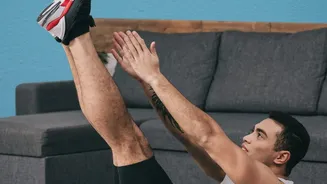
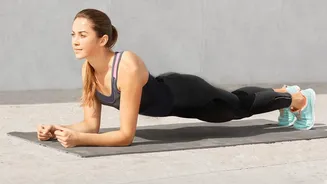
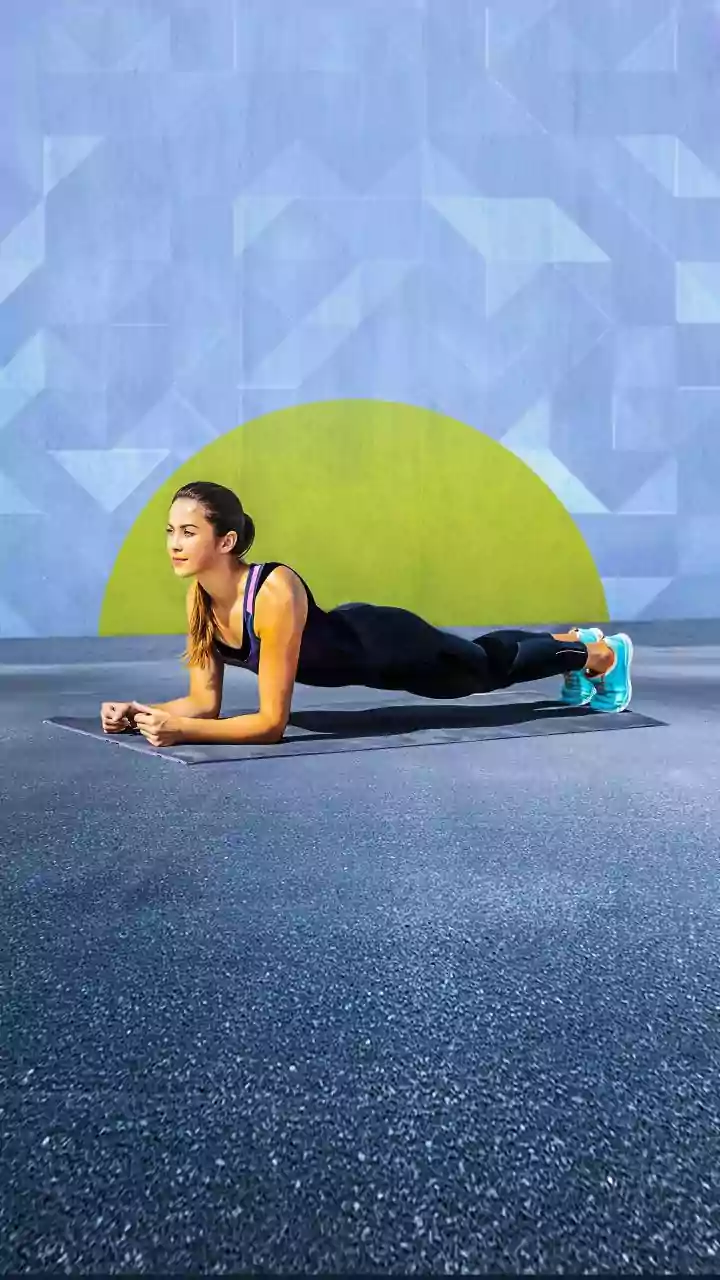
The beauty of a five-minute workout is its simplicity. You don’t need any equipment, and you can do it anywhere. The goal is to get your heart rate up and your muscles working. Try one of the following routines. Perform each exercise for 45 seconds, followed by 15 seconds of rest before moving to the next. 1. The Quick Cardio Blast: Jumping Jacks High Knees Butt Kicks Mountain Climbers Burpees (modified without a push-up is fine!) 2. The Foundational Strength Circuit: Bodyweight Squats Push-ups (on your knees or against a wall is a great start) Lunges (alternating legs) Plank Glute Bridges 3. The Core Focus Five: Crunches Leg Raises Plank Bicycle Crunches * Russian Twists (no weight needed)
Making the Habit Stick
Consistency is what turns these short bursts of activity into a permanent part of your life. To make it easier, try 'habit stacking'—linking your new five-minute workout to an existing daily habit. For example: 'After I brush my teeth in the morning, I will do my five-minute workout'. This uses your established routine as a cue. Don't worry about motivation; it's fickle. Focus on the system. Lay out your workout clothes the night before. Set a recurring alarm. After a few weeks of consistency, you might find that five minutes feels easy. When that happens, you can consider adding another five minutes or trying a second 'exercise snack' later in the day. The key is gradual progression. Listen to your body and celebrate the fact that you are consistently showing up for yourself.