







In the battle for the Indian shopper's wallet, a quiet but powerful trend is emerging. Despite the rise of gleaming, air-conditioned malls, traditional urban markets are more than holding their own, often winning on two crucial fronts: trust and variety.
The Unshakeable Foundation of Trust
Customer trust isn't built through flashy sales or celebrity endorsements; it's forged over time through personal relationships and accountability. In a local market, the person selling you vegetables or handcrafting a piece of furniture is often a familiar face. This direct interaction fosters a sense of reliability that large, faceless corporations struggle to replicate. Shoppers often feel a stronger connection and a sense of supporting their local community when they buy from small businesses. Studies and consumer surveys indicate that a majority of Indian consumers prefer to shop from homegrown businesses, citing factors like honest communication and a customer-centric approach as key drivers for their loyalty. This personal touch means the vendor is directly accountable for the quality of their goods. If a product isn't up to the mark, the customer knows exactly who to talk to, a far cry from navigating the often-impersonal customer service departments of large retail chains. This preference is so strong that many consumers are willing to pay a premium for local products.
A Dazzling Spectrum of Variety
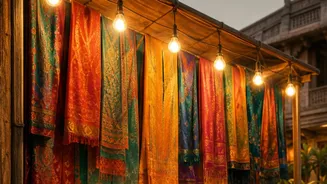
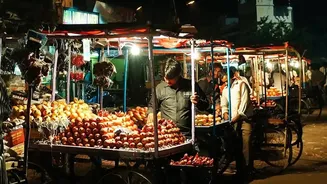
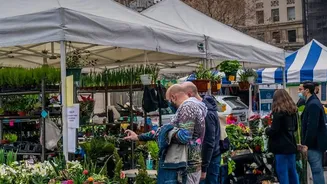
While malls offer a curated selection of branded goods, local markets present a sprawling, often chaotic, but incredibly diverse range of products. Malls are ideal for those seeking international brands or a specific, standardized item, but they often lack uniqueness. Local markets, or bazaars, on the other hand, are treasure troves of the unexpected. Here, you can find everything from farm-fresh produce that changes with the seasons to handcrafted jewellery, custom-tailored clothing, and rare spices that a mainstream supermarket would never stock. This variety isn't just about having more items; it's about offering products that are deeply connected to local culture, tastes, and traditions. These markets are flexible, with vendors adapting their offerings based on seasonal demand, festivals, and community needs, a business model described as 'jugaad' or frugal innovation.
The Human Element of Shopping
Shopping in a mall is often a sterile, predictable experience designed for efficiency. A trip to a local market, however, is a sensory and social event. It's an experience defined by the art of bargaining, the stories shared by vendors, and the vibrant atmosphere of a community hub. This human interaction is a significant draw for many shoppers who crave a more engaging and authentic commercial experience. Older consumers, in particular, often prefer the familiarity and personal connections of local shops. While malls cater to needs for comfort, entertainment, and family outings, local markets fulfil the desire for personal interaction and budget-friendly routine shopping. They serve different consumer needs, allowing both retail formats to coexist.
Economic Reality and Community Support
The preference for local markets is also rooted in a growing awareness of economic impact. When you buy from a local vendor, a larger portion of your money stays within the community, supporting local families and contributing to the informal economy that provides employment for millions. Many consumers consciously choose local brands to support the domestic economy. Research shows that a significant number of Indian consumers are now actively prioritising homegrown brands, driven by a sense of national pride and a desire to support small businesses. This 'localism' mindset is particularly strong among younger generations who value authenticity and community connection. While malls represent large-scale corporate investment, local markets represent the grassroots economy, and for many, supporting that is a priority.