






The Serving Size Deception
The single most misleading part of any nutritional information is often the serving size. A calorie count is based on a standardised amount of food, known as a 'serving size'. However, the 'portion size'—the amount you actually receive on your plate or in a package—can
be much larger. A restaurant might list the calories for 100 grams of curry, but serve you a 300-gram portion. A packaged drink may show calories for a 200ml serving while the bottle contains 500ml. Without doing the maths, you might consume two or three times the advertised calories. It's crucial to check what quantity the calorie figure actually refers to. Many single-portion foods actually contain multiple servings, a detail that is easy to miss.
How It's Cooked Matters
The preparation method can dramatically alter a dish's final calorie count. “Grilled chicken” sounds healthier than “fried chicken,” and it usually is. But what about the sauces, marinades, and finishing oils? A dish that starts with lean protein and vegetables can quickly become calorie-dense if it’s swimming in a creamy, sugary, or oil-based sauce. Grilling, steaming, and baking are generally lower-calorie methods than pan-frying or deep-frying, which can add significant calories as the food absorbs oil. Even a generous drizzle of olive oil, while healthy, adds calories. When ordering, it can be helpful to ask for sauces and dressings on the side. This simple step puts you in control of how much you add.
Beyond Calories: Nutrient Density
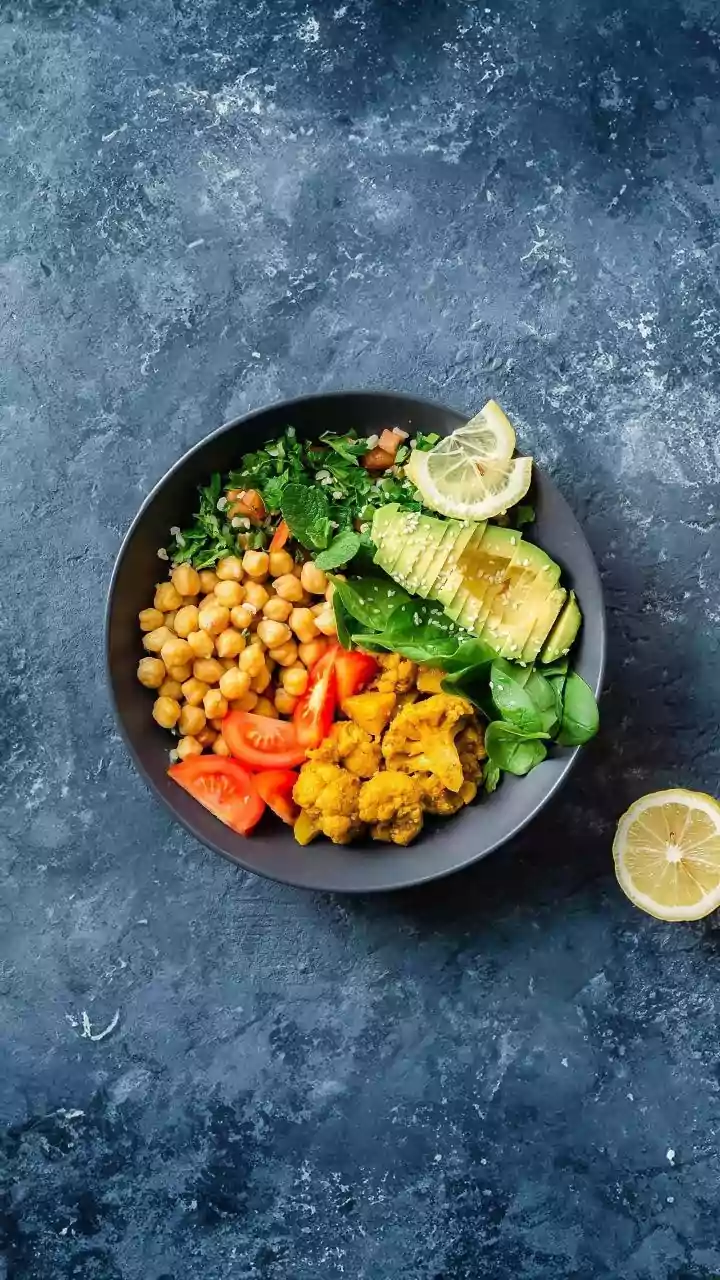
Not all calories are created equal. This is where the concept of nutrient density becomes important. Nutrient density refers to the amount of beneficial nutrients—like vitamins, minerals, protein, and fibre—a food contains in relation to its calorie content. For example, a 700-calorie salad packed with mixed greens, beans, avocado, and lean protein offers a wealth of fibre and healthy fats that will keep you feeling full and energised. In contrast, a 500-calorie pastry provides quick energy from sugar and refined flour but little else, likely leaving you hungry again soon. Focusing only on the lower calorie number might lead you to choose the less nutritious option that doesn't support your overall health or satiety. A food's quality is just as important as its energy content.
The 'Healthy Halo' Effect
Our brains can also play tricks on us. Psychologists call it the “health halo” effect: we tend to underestimate the calorie content of foods we perceive as healthy. Words like “organic,” “natural,” “light,” or “salad” can make us believe a dish is lower in calories than it actually is. Studies have shown that people are more likely to misjudge the calorie count of a “healthy” meal compared to an obviously indulgent one. A large salad with creamy dressing, cheese, and fried toppings can easily have more calories than a simple burger. This cognitive bias makes it even more important to look past the marketing terms and consider the actual ingredients and preparation methods involved in your meal.