




Embrace the Darkness
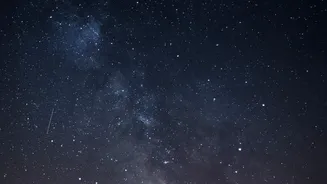
The first rule of successful skywatching is to escape light pollution. The glow from cities, towns, and even streetlights can wash out all but the brightest stars and planets. For the best views, you need to find a location with dark skies. This might
mean a drive out to the countryside, a trip to a national park, or finding a local astronomy club that hosts viewing nights in darker areas. The darker your surroundings, the more the universe will reveal itself. Before you even think about specific dates, your first step should be to identify a few potential dark-sky spots near you. A little planning goes a long way. Give your eyes at least 20-30 minutes to fully adapt to the dark; avoid looking at your bright phone screen during this time as it will reset your night vision.
Follow the Moon's Lead
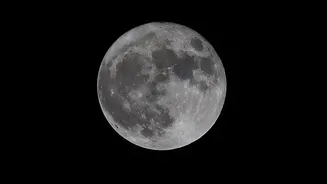
The Moon is the brightest object in the night sky, and its phase plays a huge role in what you can see. A full moon can be beautiful, but its brightness acts like a natural form of light pollution, making it difficult to spot fainter objects like meteor showers and distant galaxies. This October, the New Moon falls on October 10. The days surrounding this date will offer the darkest skies, making it the ideal time for deep-sky observation. In India, the exact New Moon occurs around 9:20 PM IST. In contrast, the Full Moon, known as the Hunter's Moon, is on October 26. While this is a spectacle in itself, the nights leading up to it will be progressively brighter, so plan your faint-object hunting for earlier in the month.
Mark Your Calendar: Key October Events
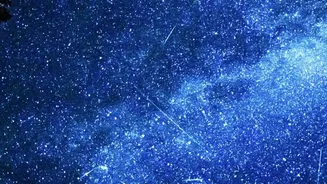
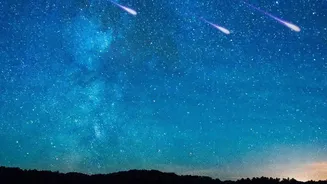
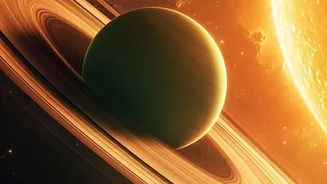
October 2026 is packed with celestial events visible from India. Early in the month, Saturn is the star of the show. It reached opposition on October 4, meaning it is at its biggest and brightest for the year and visible for most of the night. On the evening of October 5, look for a conjunction of the Moon and Mars in the early hours. Later, two meteor showers are worth your attention. First, the Draconid meteor shower peaks on the night of October 8-9. This is an unusual shower best viewed in the evening, just after nightfall. With the New Moon just a day later, viewing conditions will be excellent. Later, the Orionid meteor shower, famous for producing fast, bright meteors from Halley's Comet's debris, peaks on October 21-22. A bright waxing gibbous moon will interfere, but it sets a few hours before dawn, leaving a dark window for prime viewing in the early morning hours.
Planets on Parade
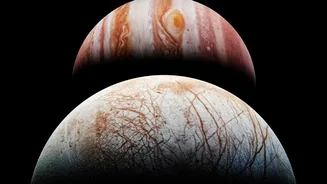
Beyond the special events, several planets will be on display. As mentioned, Saturn is perfectly placed for viewing all night long in the constellation Pisces. Even a basic pair of binoculars might help you distinguish it from a star, though a small telescope is needed to glimpse its famous rings. On the morning of October 6, the Moon will pass in front of Jupiter, an event known as a lunar occultation, creating a stunning sight for those with a clear view. Venus and Mercury make brief appearances low on the western horizon just after sunset early in the month, but they can be difficult to spot. For the best chance to see these, you'll need an unobstructed view of the horizon.
The Right Gear (Is Simpler Than You Think)
You don't need expensive equipment to start enjoying the night sky. In fact, many of the month's best sights, including meteor showers and planetary conjunctions, are best viewed with just your eyes. A comfortable chair or blanket is more important than a telescope. A good pair of binoculars is a fantastic next step. They are portable, easy to use, and can reveal stunning details, like the craters on the Moon or the four largest moons of Jupiter. If you do have a telescope, this is the perfect month to get it out, especially for a closer look at Saturn's rings during its opposition. The key is not the power of your equipment, but your patience and willingness to look up.