





The Hidden Risk in Raw Sprouts
Sprouts—whether from moong, alfalfa, radish, or broccoli seeds—are celebrated as a superfood. They are packed with vitamins, minerals, and enzymes. However, the very conditions that make them sprout are also a perfect breeding ground for dangerous bacteria.
The warm, humid environment required for seeds to germinate is an ideal incubator for pathogens like Salmonella, E. coli, and Listeria. These bacteria can cause severe foodborne illnesses, with symptoms ranging from stomach cramps and diarrhoea to more life-threatening conditions, especially for children, the elderly, pregnant women, and those with weakened immune systems. While they look clean and fresh, raw sprouts are consistently identified by food safety experts as a high-risk food.
How Does Contamination Happen?
The problem often starts long before the sprouts reach your kitchen. The bacteria can be present on the seeds themselves, sometimes getting there from contaminated irrigation water or animal manure in the fields where the seeds were grown. When these seeds are placed in a sprouting jar or commercial sprouter, any dormant bacteria can multiply exponentially. A single contaminated seed can be enough to taint an entire batch. Thoroughly washing the sprouts before eating them raw is not a foolproof solution. The bacteria can get into the microscopic cracks of the sprout tissue, making them impossible to wash away completely. This is why even sprouts labelled 'organic' or those grown at home are not immune to this risk if the seeds themselves carry bacteria.
The Cooking Solution: Safety First
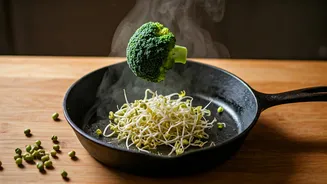
The most effective way to eliminate these harmful bacteria is through heat. Cooking your sprouts until they are steaming hot is the only guaranteed method to make them safe to eat. This doesn't mean you have to boil them into a mushy, unappetizing state. A quick and effective sauté, stir-fry, or steam is all it takes. Add them to your poha, upma, or sabzi towards the end of the cooking process so they retain some of their crunch. If you're making a soup or dal, toss them in for the last few minutes of simmering. The goal is to heat them thoroughly. Lightly wilting them in a hot pan is far safer than eating them raw from the bag. Think of it as a non-negotiable step, just like cooking raw chicken or eggs.
What About the Nutrients?
A common concern is that cooking will destroy the delicate nutrients that make sprouts so healthy. It’s a valid question. It is true that some heat-sensitive nutrients, particularly Vitamin C and certain B vitamins, may be slightly reduced during cooking. However, the trade-off is overwhelmingly in favour of safety. Many other nutrients, including minerals, fibre, and protein, are not significantly affected by a quick cooking process. In fact, cooking can make some nutrients easier for your body to absorb. The risk of contracting a serious illness from raw sprouts far outweighs the minor loss of a few heat-labile vitamins. You can easily compensate for any lost Vitamin C with a squeeze of lemon juice or by eating other fresh fruits and vegetables.
Smarter Sprout Habits
Beyond cooking, you can adopt a few other habits to reduce your risk. When buying sprouts, choose ones that look crisp and fresh, and are kept in a refrigerated section at the store. Avoid any that appear dark, slimy, or have a musty smell. Once you bring them home, store them in the refrigerator at or below 4°C and aim to use them within a few days. And remember, the 'cook them first' rule applies universally—whether they are from a local market, a high-end grocery store, or your own kitchen counter. The source of the sprouts matters less than the inherent risk of the seeds and the germination process.