






Sleep: The Ultimate Recovery Tool
While exercise breaks down muscle fibres, sleep is when your body diligently repairs and rebuilds them, making you stronger. During the deep stages of sleep, your body releases human growth hormone (hGH), a critical component for tissue repair, muscle growth,
and even healing tendons. Studies show that inadequate sleep not only hinders this process but can also increase levels of cortisol, a stress hormone that breaks down muscle tissue. For anyone serious about fitness, optimising sleep isn't just about feeling rested; it's about maximising every ounce of effort you put into your workouts. Elite athletes and sports scientists agree that sleep is a non-negotiable pillar of peak performance, directly impacting reaction time, strength, and injury prevention.
Find Your Optimal Cool Zone
One of the most impactful changes you can make to your sleep environment is lowering the thermostat. Your body's core temperature naturally drops to initiate sleep, and a cool room aids this process. Research suggests the ideal temperature for sleep is between 16–20°C (60-68°F). Temperatures in this range make it easier to enter the deep, restorative stages of sleep where muscle repair peaks. Athletes in particular may find this beneficial, as intense training can generate metabolic heat that lingers during recovery. A cooler room helps counteract this, preventing the restlessness and frequent waking associated with being too warm. If a room feels too hot, your body has to work harder to cool itself, which can fragment your sleep and reduce its overall quality.
Embrace Complete Darkness
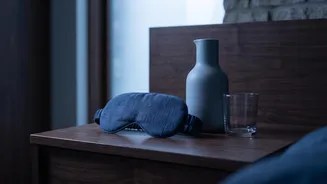
Light is the most powerful external cue for your body's internal clock, or circadian rhythm. Exposure to light, especially the blue light emitted from screens, suppresses the production of melatonin, the hormone that signals your brain it's time to sleep. Even dim light from a streetlamp or a digital clock can be enough to disrupt your sleep architecture, reducing its restorative power. To create a true sleep sanctuary, aim for absolute darkness. Investing in blackout curtains or using a comfortable sleep mask can block out disruptive light sources. Establishing a screen-free 'wind-down' routine an hour before bed is also crucial. This allows melatonin levels to rise naturally, helping you fall asleep faster and achieve the deep sleep necessary for physical recovery.
Control the Soundscape
Sudden or inconsistent noises can easily pull you out of deep sleep, even if you don't fully wake up. A passing car, a notification, or a noisy neighbour can cause micro-arousals that disrupt the sleep cycle and hinder recovery. To combat this, focus on creating a consistent and peaceful sound environment. For some, this means total silence, which can be achieved with earplugs. For others, a constant, soothing sound can be more effective at masking disruptive noises. A white noise machine or a fan can provide a steady hum that helps drown out sudden sounds, creating a stable auditory environment conducive to uninterrupted rest. This consistency allows your brain to relax and remain in the deeper stages of sleep for longer periods.
Air Quality and Comfort Matter
Beyond temperature, light, and sound, other factors contribute to a recovery-focused sleep environment. Good air quality and ventilation are important, as a stuffy room can be uncomfortable. Research also points to ideal humidity levels being between 30-50%. Finally, don't underestimate the power of your bedding. A supportive mattress and comfortable, breathable sheets are the foundation of a good night's rest. Creating a bedroom that feels like a calm, clean, and comfortable sanctuary not only improves sleep hygiene but also reinforces the psychological habit of treating rest as a priority. This mindset is just as important as the physical environment for anyone looking to achieve their peak recovery goals.